EXPERT REVIEWED
  FREE DELIVERY
  INSTALATION AVAILABLE
 Tiger Elite Pressure Treated Octagonal – Expert Review
First Added - November 28 2025
Last Updated - November 28 2025 - 0 Data Points Updated - 0 Data Points Added
Reviewed & curated by a panel of garden building experts. Using methodology 1.1
Product ID: tiger-sheds-tiger-elite-pressure-treated-octagonal
Size: Multiple sizes available
Merchants Checked: 10
(Based on first-hand inspection at the Horsforth show site and extensive comparative analysis across Tiger’s summerhouse range)
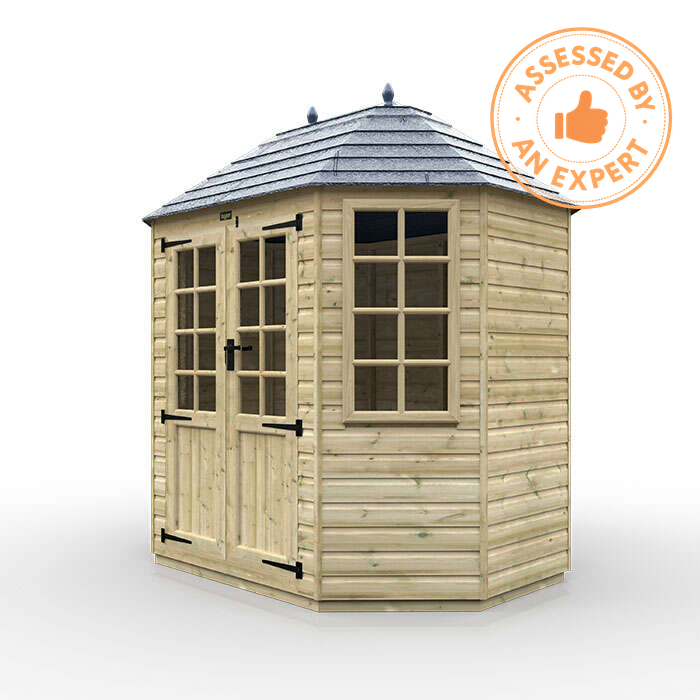
The Tiger Elite Pressure Treated Octagonal (Summerhouse) has one of the most unassuming names in Tiger’s entire range — and that’s almost ironic, because in reality, this is one of the most distinctive and characterful summerhouses they make.
The name itself sounds a little flat. A bit dull, even. But the building absolutely isn’t.
In fact, I’d go as far as saying this is an outlier in Tiger’s summerhouse range — and very deliberately so.
First Impressions & Visual Impact
I’ve inspected this building in person at the Horsforth show site, where Tiger positioned it as a centre-piece rather than just another unit in a line-up. That decision makes complete sense the moment you see it.
This is not a summerhouse that blends into the background.
It immediately stands apart from almost everything else around it — not just within Tiger’s range, but across the wider summerhouse market. There’s a presence to it. A sense of permanence and intent.
If someone asked me to define a traditional English summerhouse, two models would immediately come to mind:
- The Tiger Mayflower, with its hipped roof and Georgian styling
- And this — the Elite Pressure Treated Octagonal
It genuinely feels like something you’d expect to find on a Victorian seaside promenade, or tucked into the corner of a formal estate garden. There’s a heritage quality to it — traditional, elegant, and unapologetically classic.
Tiger also offer a fully panelled, more contemporary version, but for us, that simply doesn’t have the same pull. The version that really captures our attention — and the one we inspected — is the 34-pane Georgian window version with ¾-glazed double doors. That’s where this building truly comes alive.
Construction & Materials — A Step Above
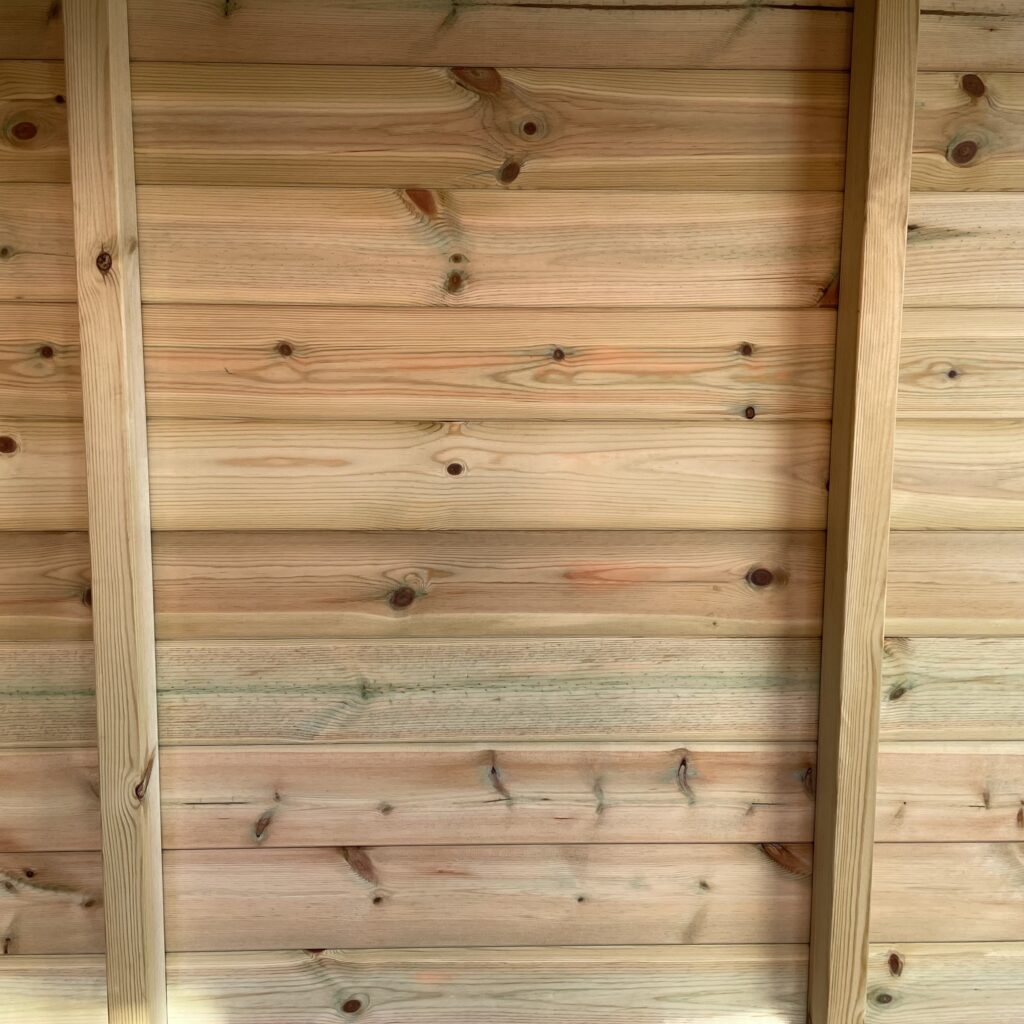
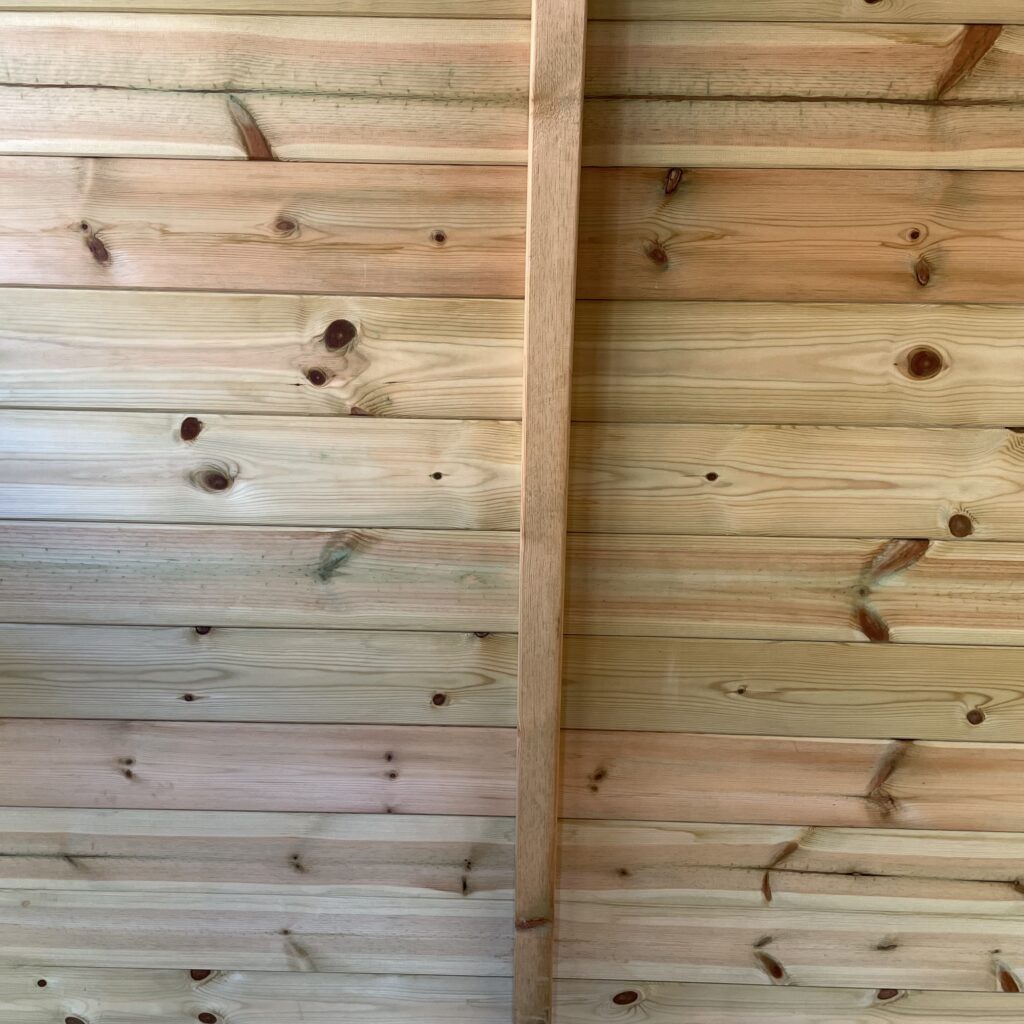
One of the most important distinctions with this model is that it is pressure treated, and that immediately puts it in a different category to Tiger’s standard 12mm shiplap summerhouses.
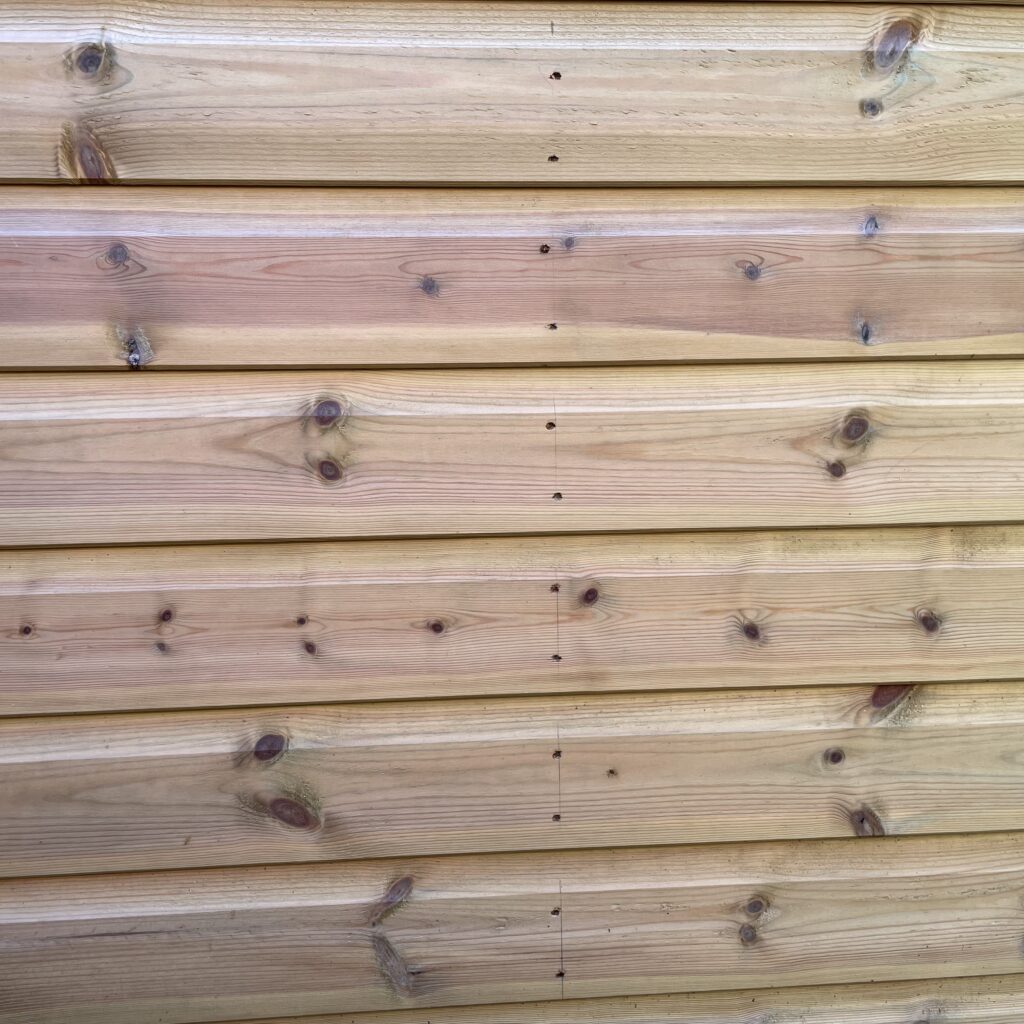
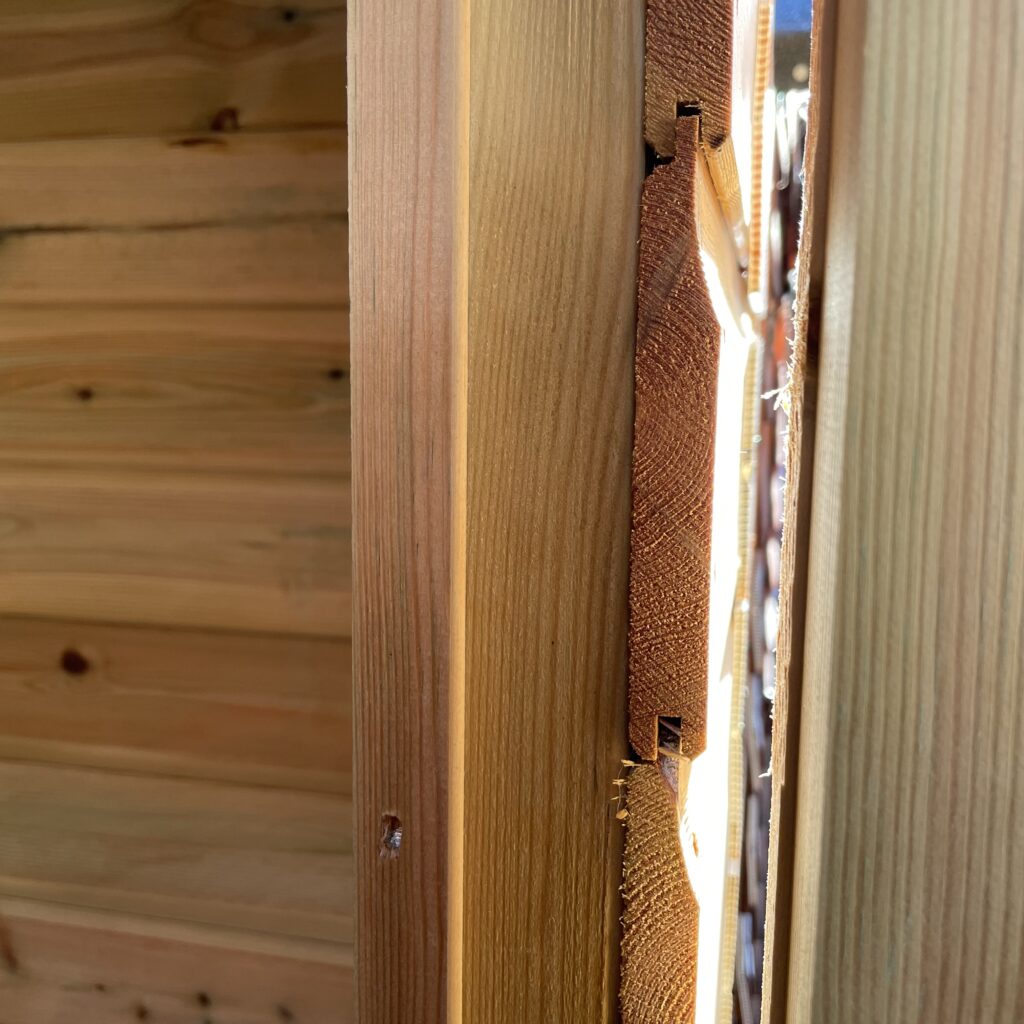
This uses 16mm tongue-and-groove cladding, and the difference is obvious the moment you get close:
- The boards are noticeably thicker
- The milling is exceptionally clean
- The overall feel is far more substantial
The pressure treatment process — typically using copper-based preservatives — impregnates the timber to inhibit fungal growth and rot. The result is a structure that is designed to last significantly longer, even if left untreated.
That said, it’s worth being clear:
If you ever cut into the timber (for example, during modifications), you should treat the exposed edges, as pressure treatment only penetrates a limited depth. That’s normal and expected for domestic pressure-treated products.
If you choose to paint or stain it, longevity improves even further. But unlike standard untreated summerhouses, you can leave this unfinished if you prefer — and it will still age gracefully.

Shape, Space & Internal Feel
The octagonal layout does more than just look good.
Inside, it creates a slightly embracing, cocooned feel — not cramped, but enclosed in a way that feels intentional and calming. The multiple facets naturally increase structural rigidity too, as the walls effectively brace each other.
Because it only comes in two sizes, neither of which are oversized, the entire structure feels exceptionally solid:
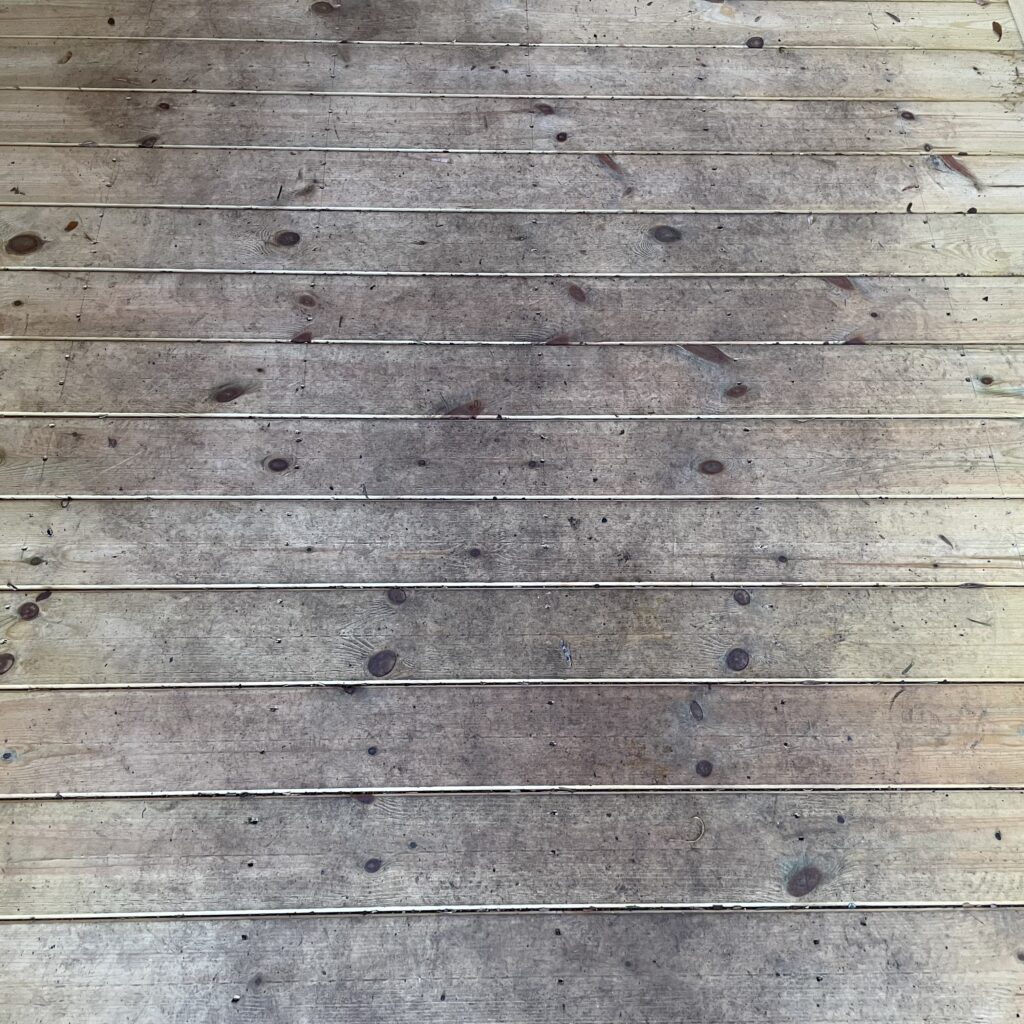
- The 16mm tongue-and-groove floor is rock solid underfoot
- No bounce, no movement, no flex
- Exactly what you want in a building designed for sitting, relaxing, and lingering
The internal wall finish is smooth, and the bracing is sensible rather than excessive. The geometry of the building does a lot of the structural work on its own.
Windows & Doors — Elite by Name, Elite by Nature
The joinery-made windows are one of the standout features of this model.
We’ve been consistently impressed with the window quality across Tiger’s Elite range, and this is no exception. Proper timber beading, excellent rigidity, and a reassuring sense that these are made, not assembled as an afterthought.
They are Georgian-style, which does mean the glazing bars are applied externally rather than being true divided panes. That’s something we’ve raised as a minor aesthetic niggle elsewhere — but here, the pressure-treated timber largely removes our usual longevity concerns.
Because the timber itself is pressure treated, there’s far less worry about moisture ingress behind the applied lattice over time. From the outside, they look superb. From the inside, you can tell they’re faux — but that’s the trade-off, and visually it still works extremely well.
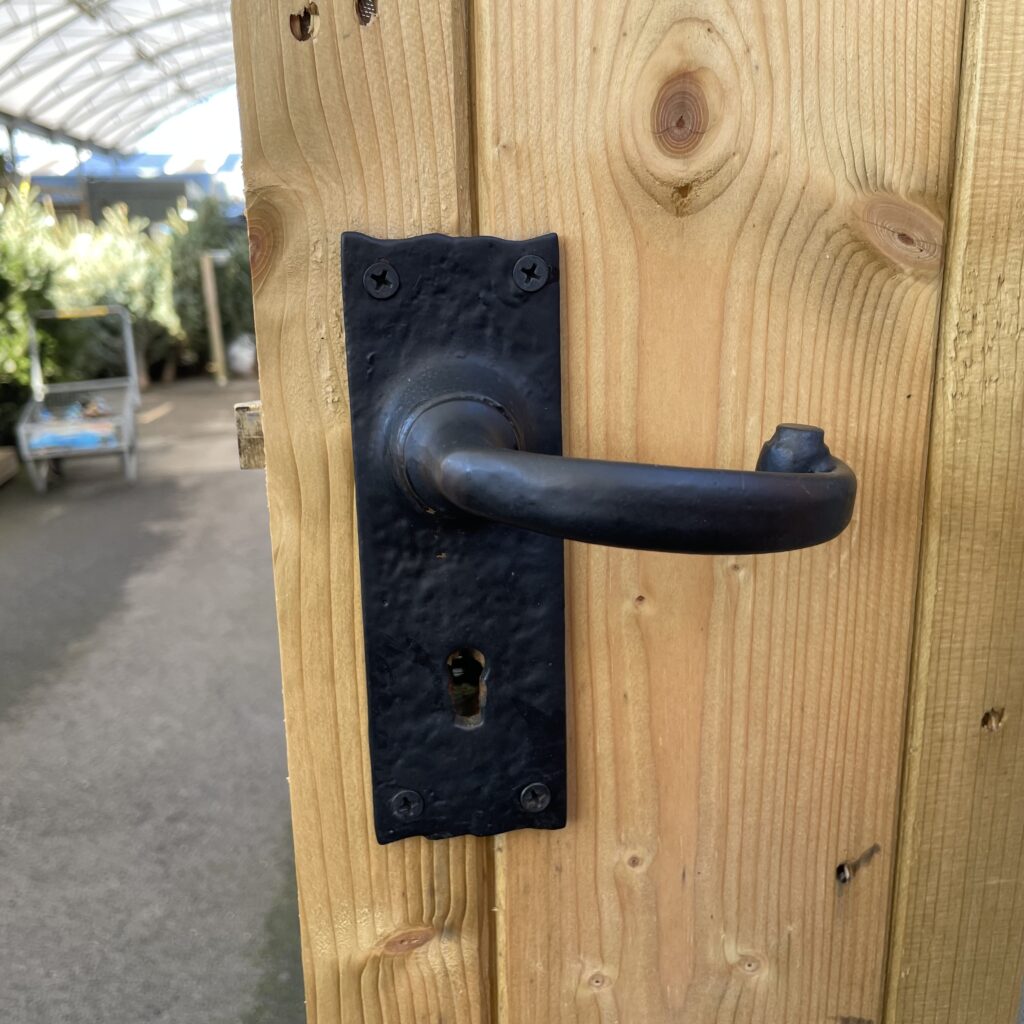
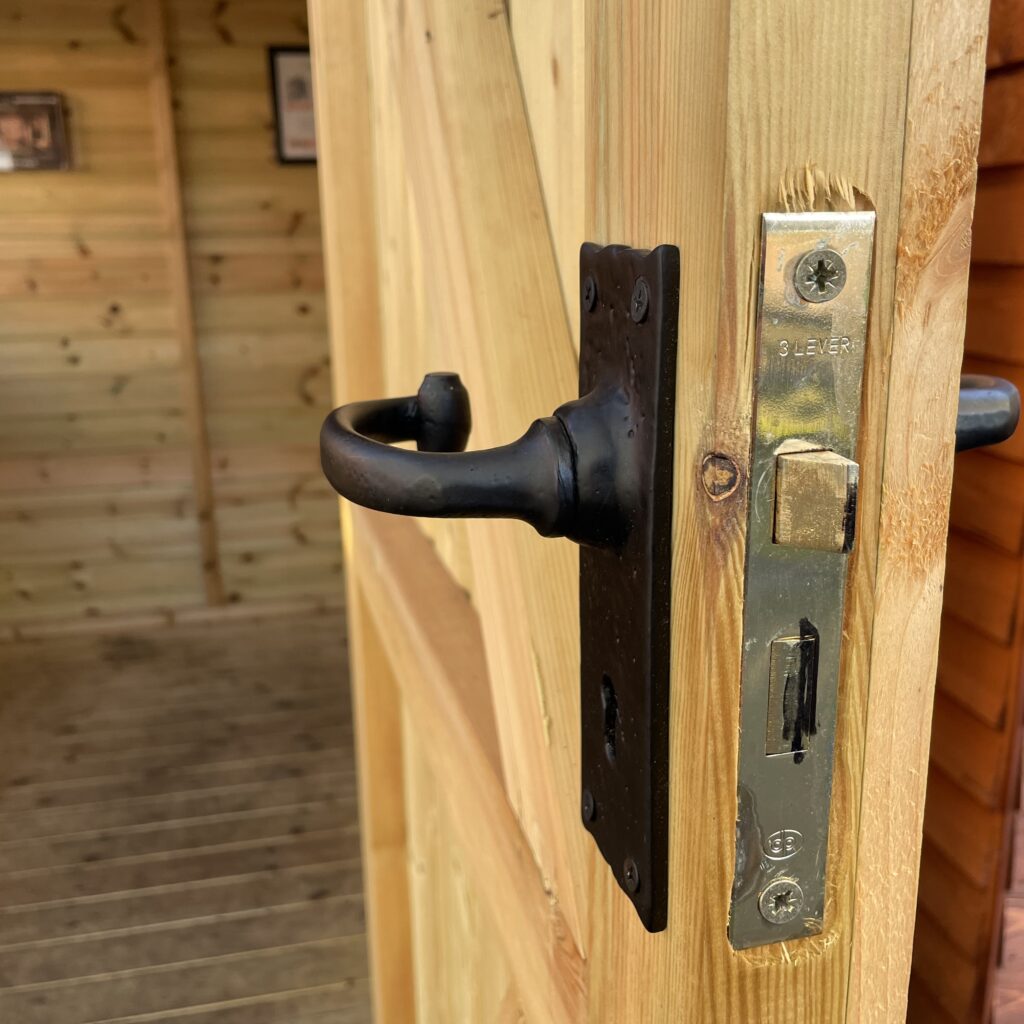
The doors deserve special mention:
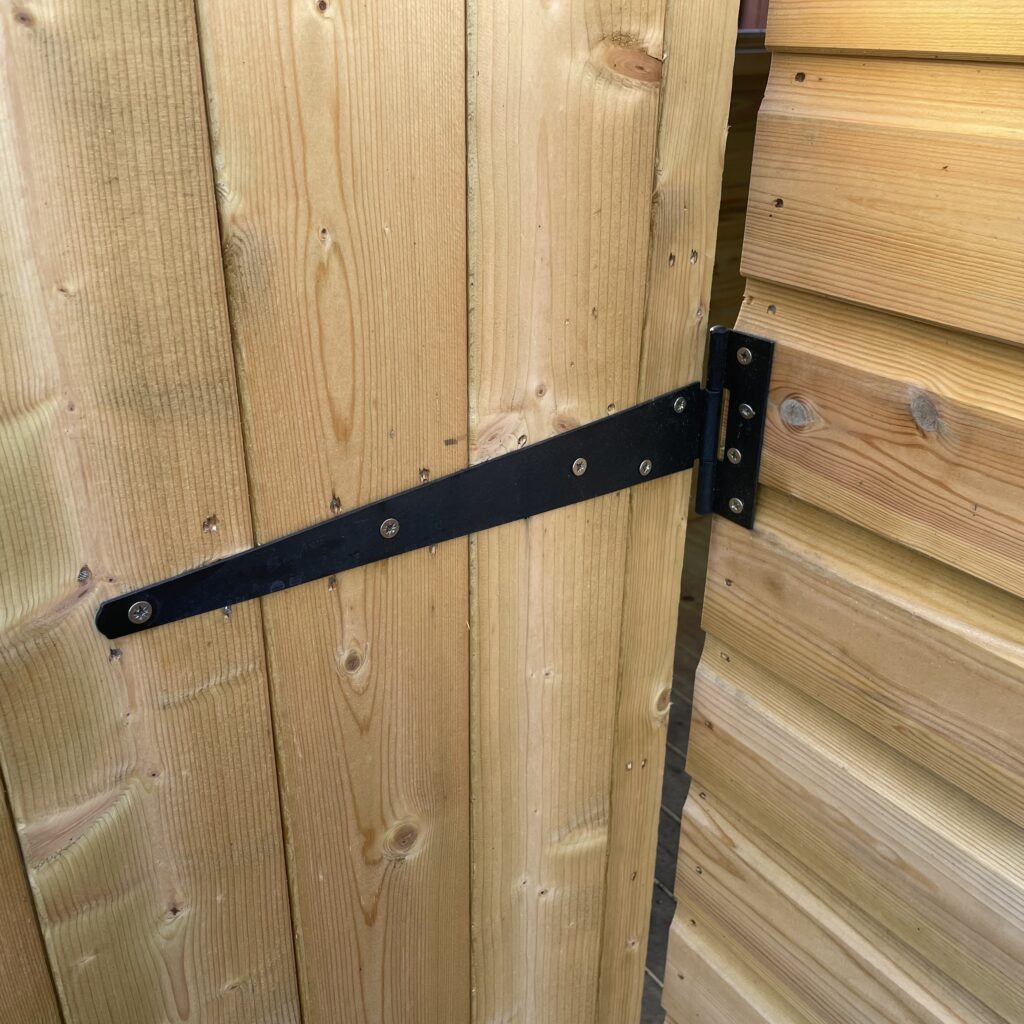
- Proper handles
- Solid locking mechanisms
- No lightweight door pulls or flimsy ironmongery
- Everything feels closer to a domestic door than a garden shed door
The increased timber thickness really shows here. These are doors you expect to last.
The Roof — Where Opinion Splits
This is the one area where my feelings are genuinely mixed.
The roof is a resin-based composite — effectively fibreglass. From the outside, at a distance, it looks smart enough. The hipped design is elegant, and as a silhouette, it suits the building beautifully.
However, when you get closer — and especially when you step inside — the material choice becomes more apparent.
Internally, you can clearly see the fibreglass texture. It doesn’t have the warmth or refinement of timber, and it lacks the subtlety of a well-finished tongue-and-groove ceiling.
There are also practical considerations:
- Heat retention: resin absorbs and holds heat more aggressively than timber
- Acoustics: rain on fibreglass is louder and sharper than on wood
- Atmosphere: you lose that quiet, reassuring “English garden shed” soundscape that a timber roof provides
Wooden tongue-and-groove roofs have a softness to them — visually and acoustically — that suits a building like this. Resin feels slightly out of character.
It’s not a deal-breaker. But it is noticeable.
And it’s worth noting:
This is the only building in Tiger’s entire range — across sheds, summerhouses, and log cabins — that uses a resin roof. That alone tells you it’s a deliberate design choice, but also why it stands out.
Final Thoughts — Character with Caveats
This is, without question, one of the prettiest summerhouses Tiger make.
In many respects, it goes well beyond what most manufacturers offer:
- Thicker timber
- Pressure treatment
- Outstanding doors and windows
- Traditional architecture done properly
And yet, there are one or two decisions — chiefly the roof — where I can’t help thinking “I wish they hadn’t done that.”
It’s not that the building isn’t excellent. It is.
It’s just that it flirts with perfection — and then steps sideways.
If you love traditional garden architecture, want something that feels established rather than trendy, and value longevity over gimmicks, this is a genuinely compelling option.
It’s unusual. It’s characterful. And while it may not be flawless, it’s one of those buildings that stays with you long after you’ve left the show site.
And that, in itself, says a lot.