EXPERT REVIEWED
  FREE DELIVERY
  INSTALATION AVAILABLE
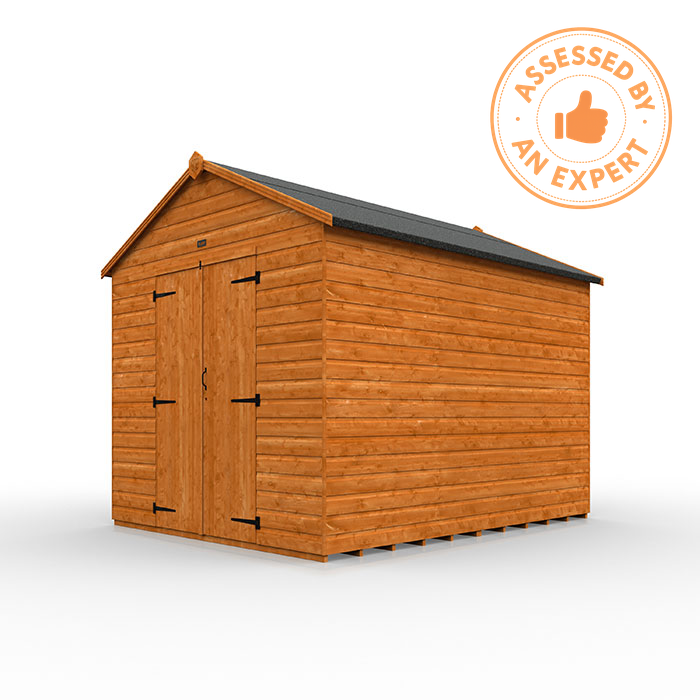
 Tiger Heavyweight Workshop Shed – Expert Review
First Added - November 28 2025
Last Updated - November 28 2025 - 0 Data Points Updated - 0 Data Points Added
Reviewed & curated by a panel of garden building experts. Using methodology 1.1
Product ID: tiger-sheds-tiger-heavyweight-workshop-shed
Size: Multiple sizes available
Merchants Checked: 10
A considered, practical workshop for serious garden use
When gardeners talk about wanting a “proper workshop”, they are rarely talking about a decorative shed with a few windows added for good measure. What they usually mean is a building that can stand up to regular use, take the weight of tools and machinery without complaint, and provide a dry, workable space through the seasons.
The Tiger Heavyweight Workshop is designed very much with that type of user in mind. It is not trying to be everything at once. Instead, it focuses on the fundamentals that matter most when a building is expected to work hard: solid construction, practical access, good light, and enough flexibility to adapt as needs change.
Who the Tiger Heavyweight Workshop is for
Before looking closely at materials and measurements, it’s worth considering who this building is actually aimed at — because that context matters.
If you are buying a workshop rather than a simple storage shed, you are almost certainly planning to use it frequently, not just occasionally. You may want to install shelving, fit lighting, bring in machinery, or simply have enough internal space to work comfortably without constantly shuffling things around.
In most cases, you will also want:
- A robust floor that doesn’t feel springy under load
- Easy access, especially for bulky or wheeled equipment
- Reasonable security, without needing something that resembles a bunker
Very few workshop buyers need Fort Knox levels of protection. Equally, very few are comfortable with a building that offers little more than token security. The Tiger Heavyweight Workshop sits sensibly between those two extremes.
Size options and overall footprint
The Heavyweight Workshop is available in a number of sizes, topping out at 10×8 in this particular range. That upper limit is significant, because it places the building firmly in the category of compact to mid-sized workshops, rather than large outbuildings or garden rooms.
For many gardens, that footprint is exactly right. It offers:
- Enough internal space to work comfortably
- A manageable external presence
- Lower groundwork and base costs
- Easier siting against walls or fences
If you need something substantially larger, Tiger’s XL Heavyweight Workshop or Logboard Workshop ranges become relevant comparisons. For those looking to maximise usability within a smaller footprint, however, the standard Heavyweight Workshop makes a great deal of sense.
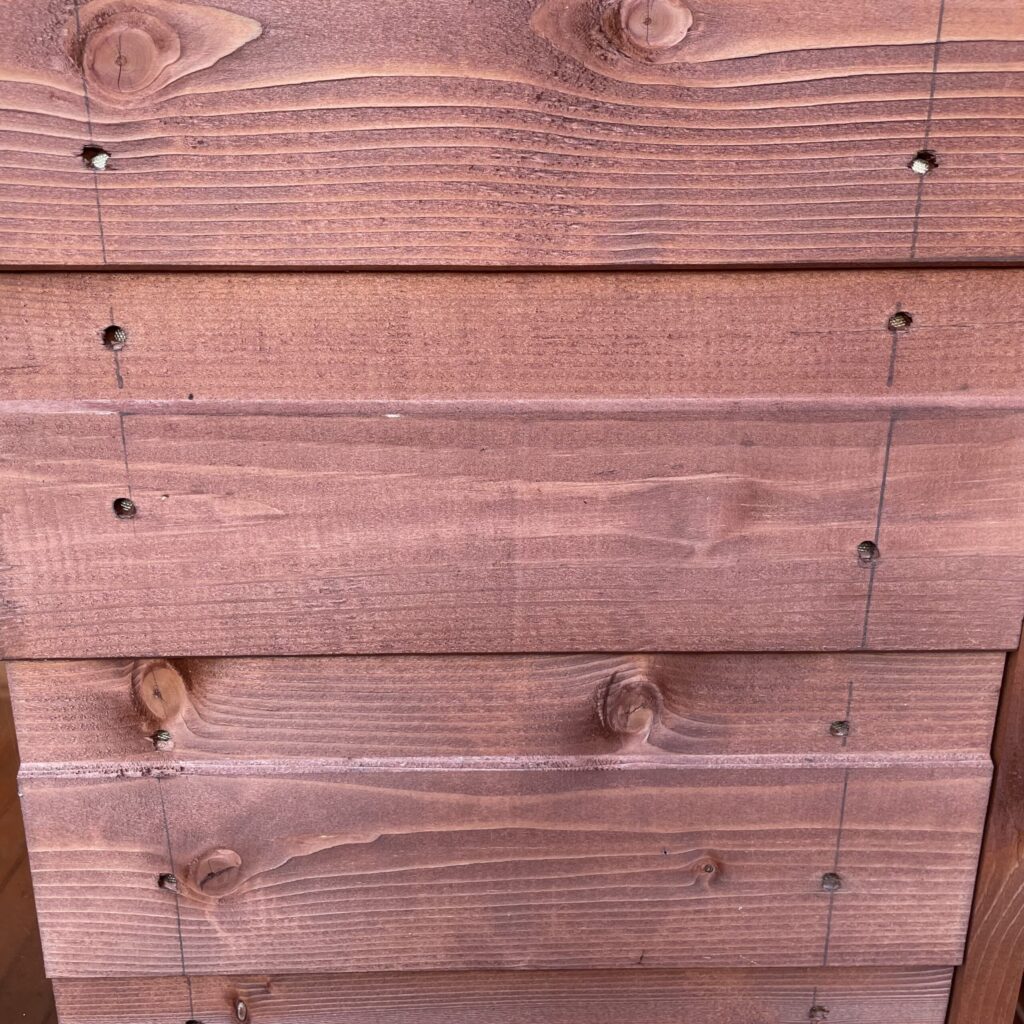
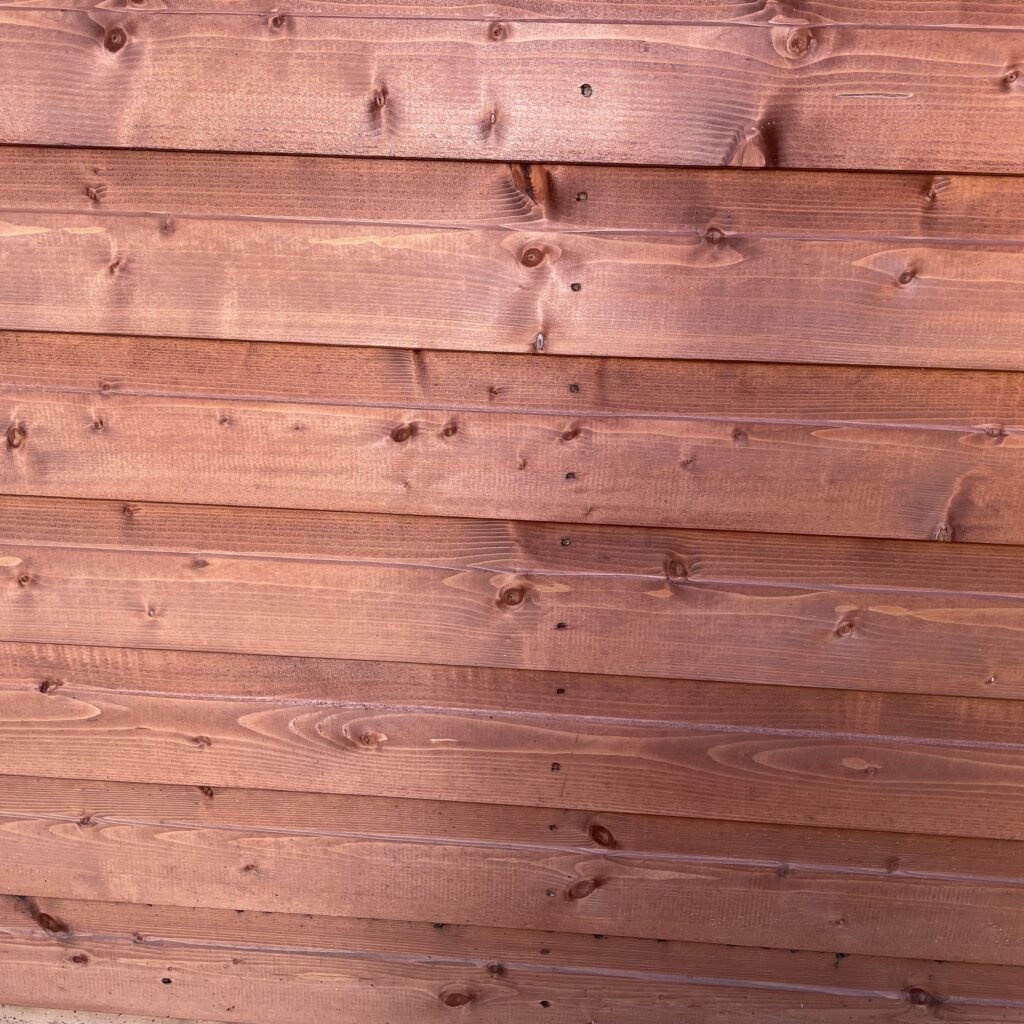
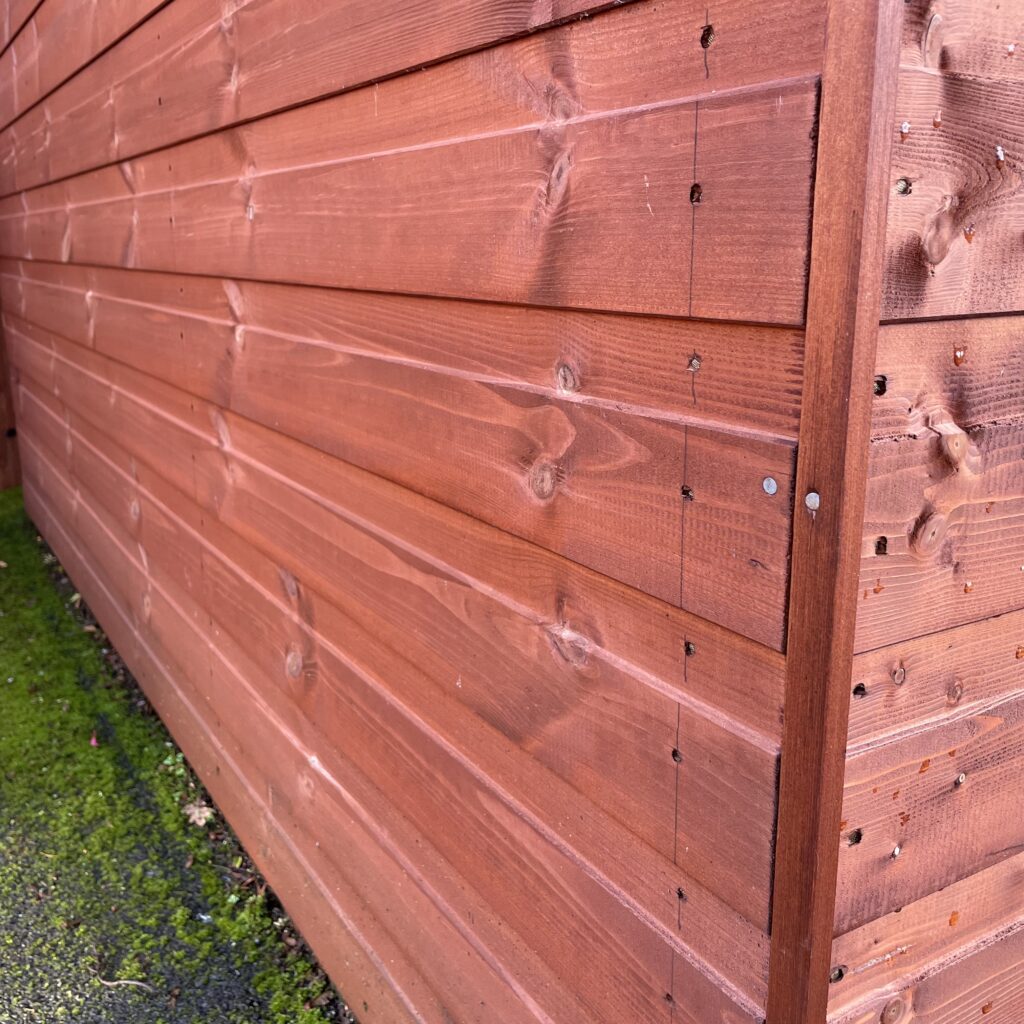
Construction quality: Tiger’s 12mm shiplap tongue & groove
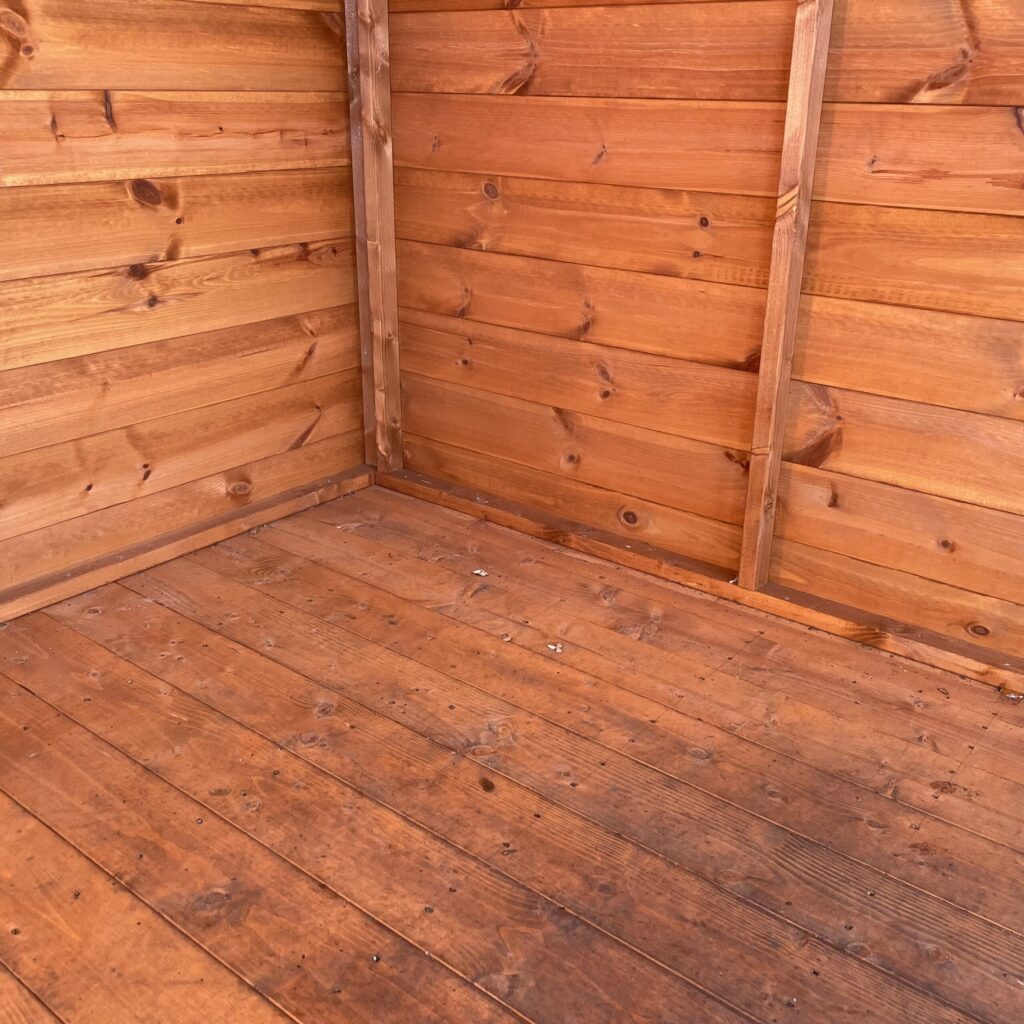
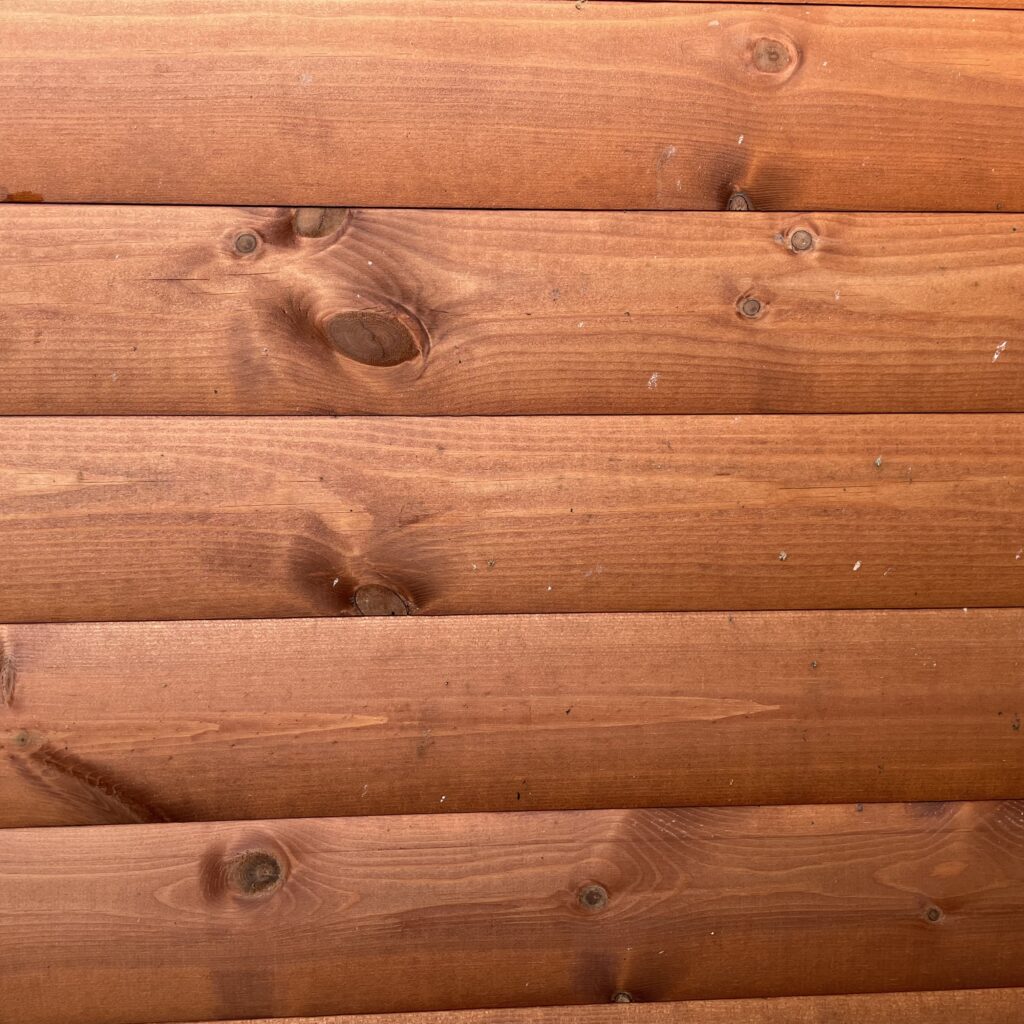
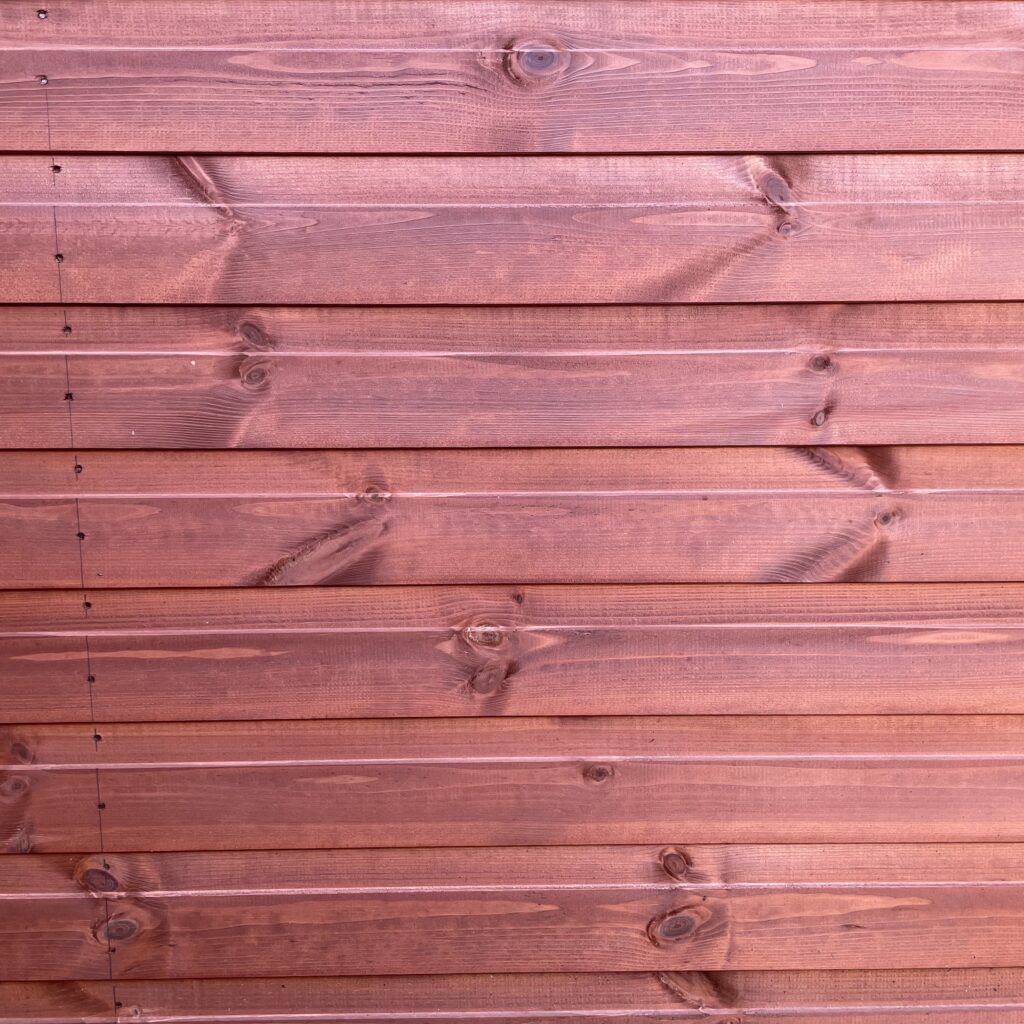
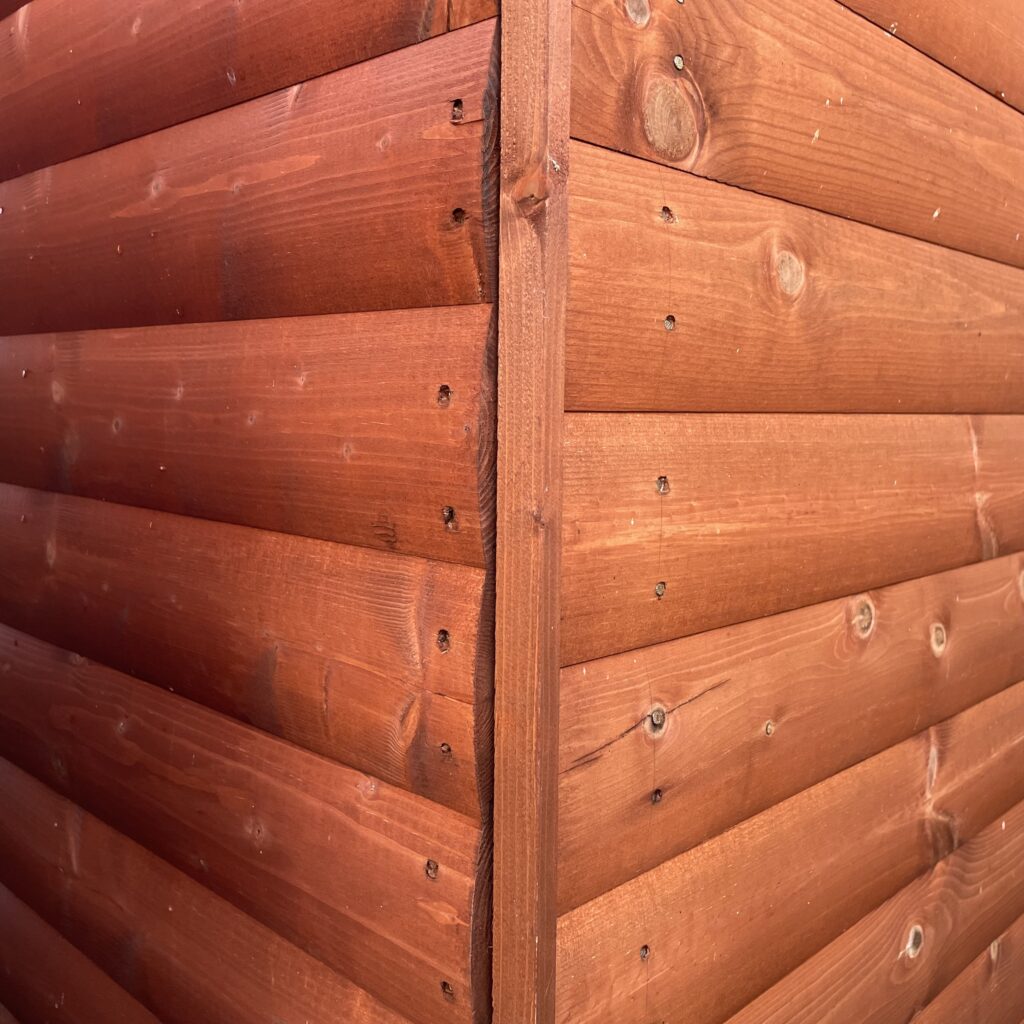
One of the defining features of the Tiger Heavyweight Workshop is its use of 12mm tongue & groove shiplap cladding throughout, paired with matching tongue & groove boards for the roof and floor.
This construction method has become something of a Tiger hallmark, and with good reason. Over the years, we have inspected a large number of Tiger buildings made using this system, and its consistency stands out.
In 2025 alone, more than 40 Tiger sheds and workshops built using this same 12mm shiplap specification were examined. Across that sample, issues were rare, and where they did appear they were typically cosmetic rather than structural — small areas of filler around knots, for example, rather than anything that would compromise strength or longevity.
That kind of track record matters. Timber is a natural material, and perfection is unrealistic, but what counts is how often problems occur and how significant they are. On that front, Tiger’s standard shiplap construction has proven to be dependable.
The framing used here is 28 × 44mm rounded four-corner framing, which provides a solid skeleton for the building without pushing it into over-engineered territory .
Flooring: confidence underfoot
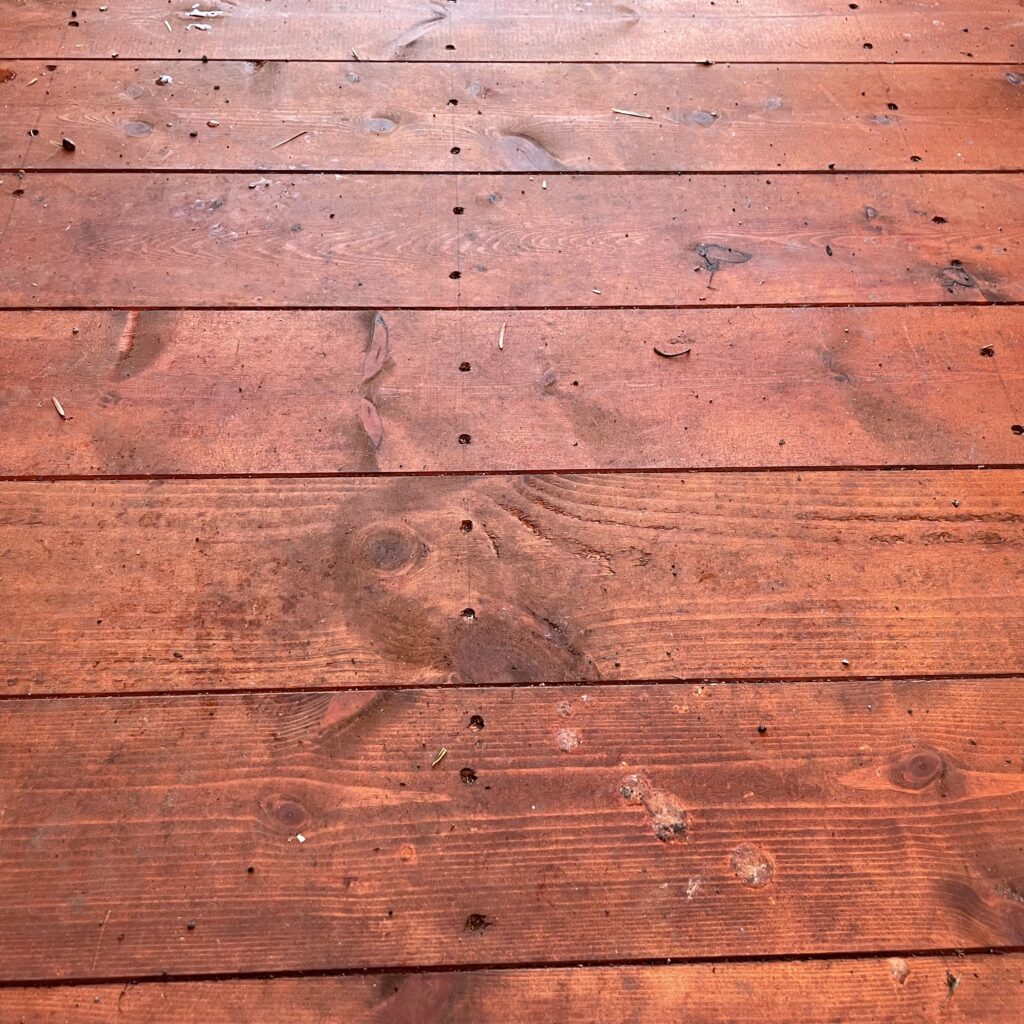
A workshop floor needs to do more than simply keep your feet dry. It has to cope with point loads from machinery, repeated foot traffic, and the occasional dropped tool.
The Heavyweight Workshop uses 12mm tongue & groove flooring, which strikes a good balance between strength and practicality. Provided the building is installed on a properly prepared base — an essential requirement for any workshop — the floor feels suitably robust for everyday use.
For gardeners planning to house lawnmowers, power tools, or mobility equipment, this is reassuring. It is not a lightweight shed floor, and it does not feel like one.

Doors and access: one of the workshop’s strongest features
Access is where the Tiger Heavyweight Workshop really earns its name.
The large, full-height double doors provide straight-in access, which makes a significant difference in day-to-day use. Whether you are wheeling in a mower, manoeuvring a mobility scooter, or rolling a motorbike into storage, the layout works with you rather than against you.
Motorbike storage is a particularly common use case for workshops of this design, and the Heavyweight Workshop suits it well. The wide opening and absence of awkward thresholds make loading and unloading straightforward.
Windows and natural light
Although this is first and foremost a workshop, natural light has not been neglected.
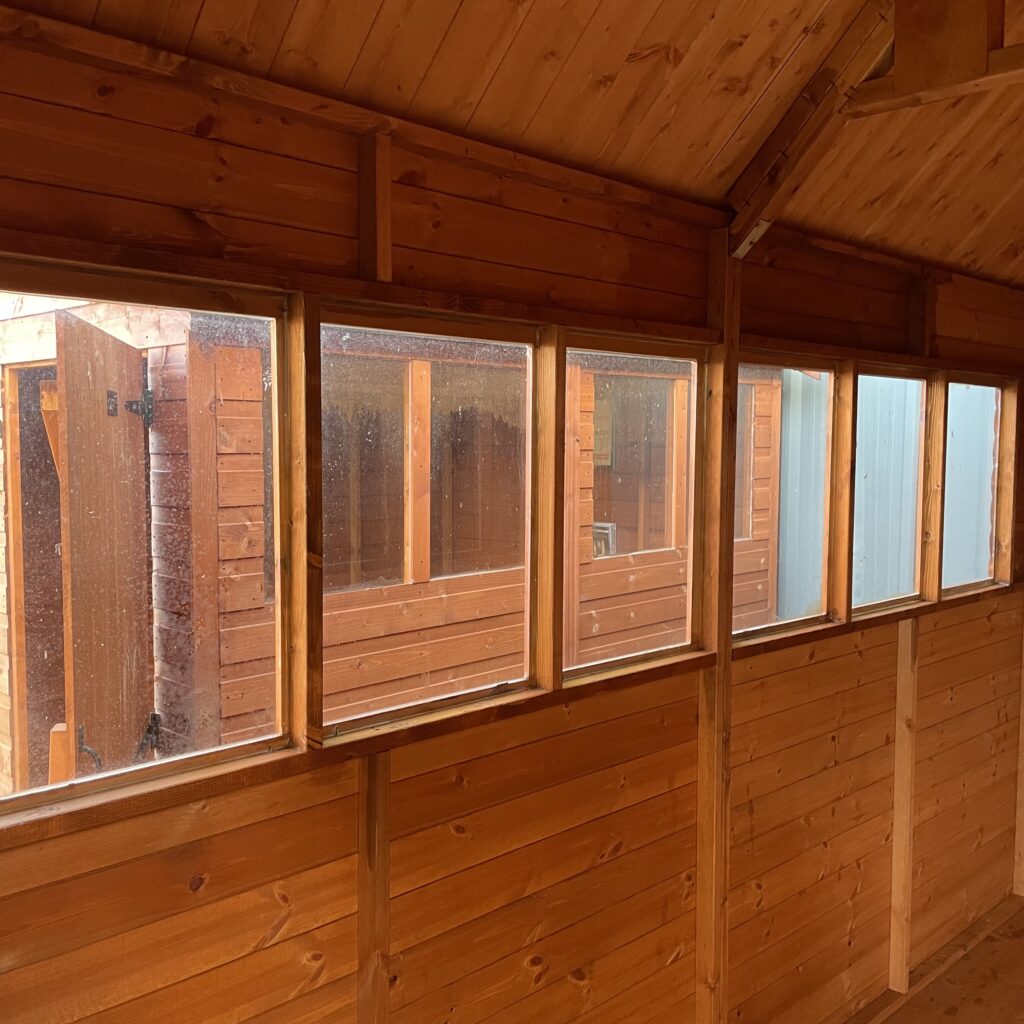
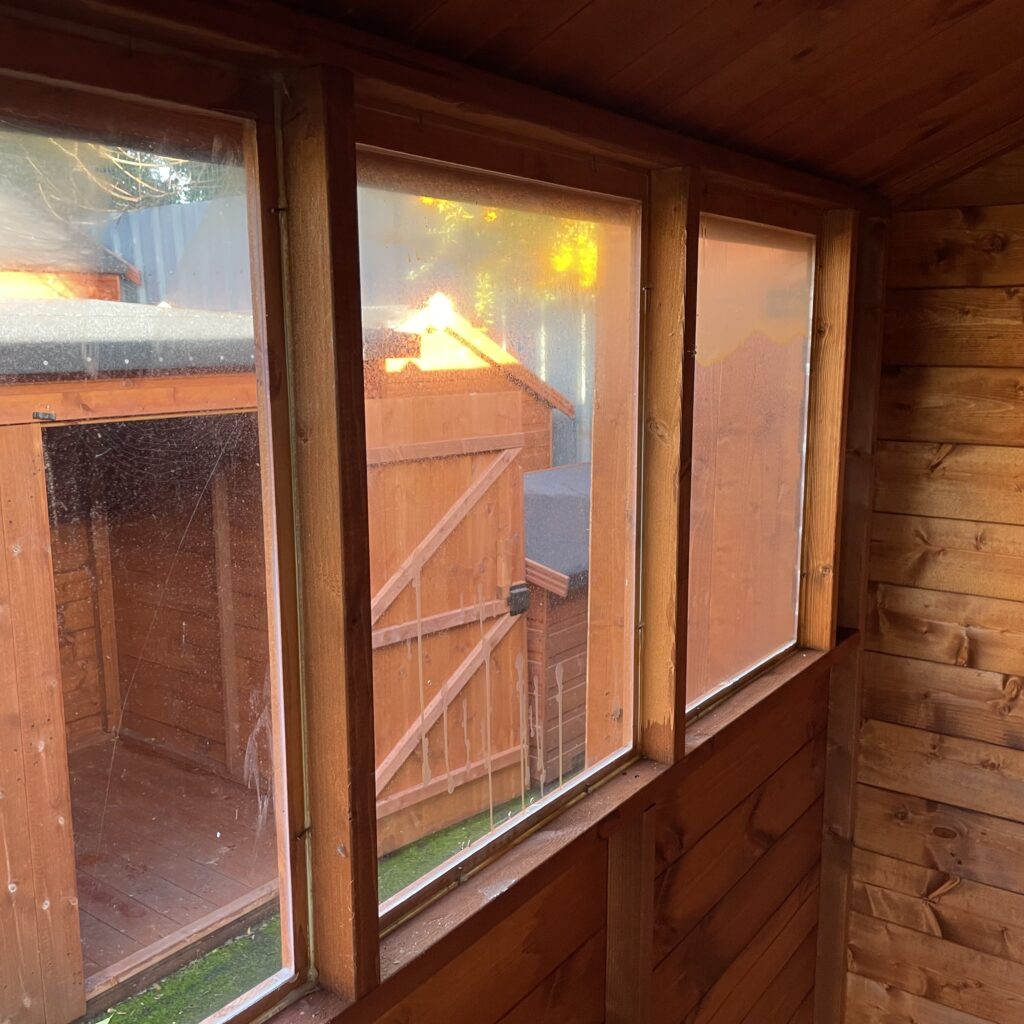
A bank of fixed windows allows plenty of daylight to enter the building, even with the doors closed. This makes the workshop usable as a working space rather than merely somewhere to store equipment.
The window arrangement also allows the building to be positioned:
- Against a wall
- In a corner of the garden
- Along a boundary fence
without sacrificing internal light levels. The glazing is 3mm toughened glass, which is entirely appropriate for a building of this type .
Roof design and internal height
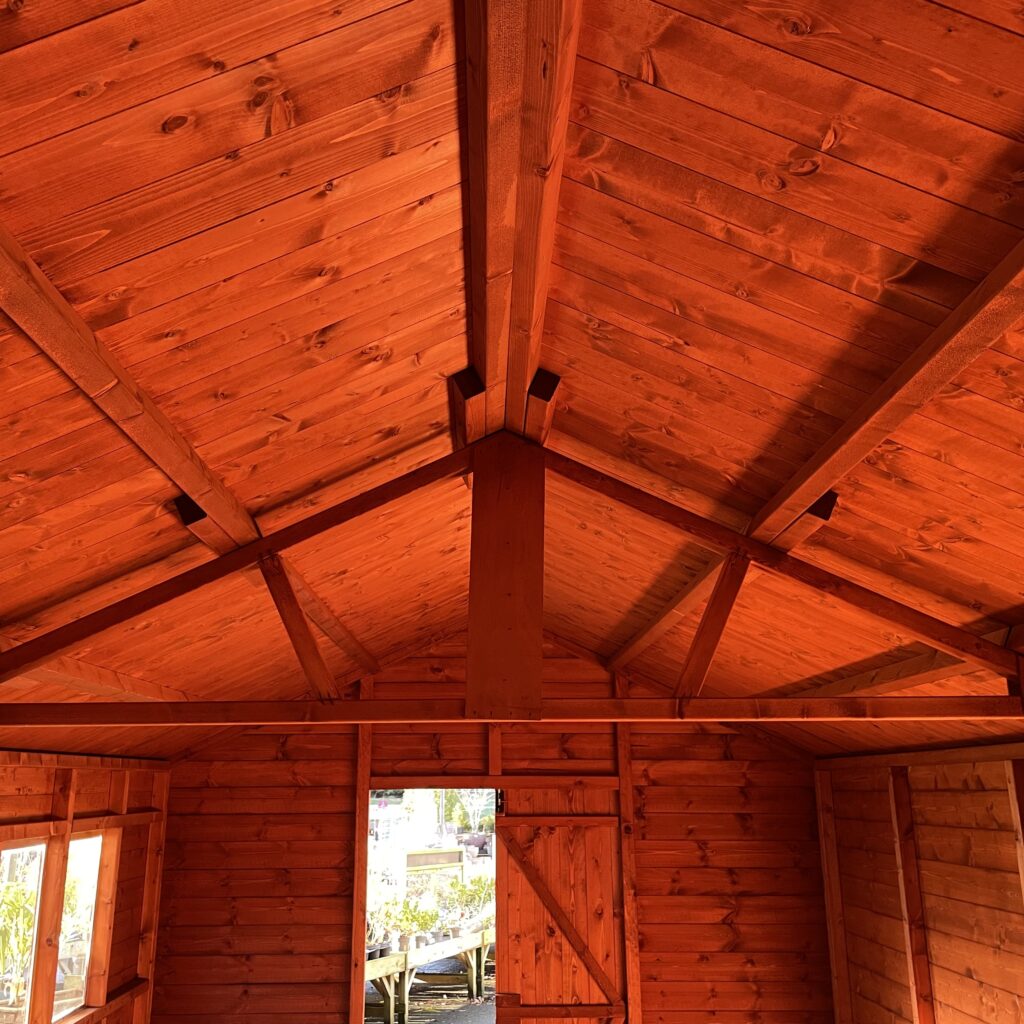
The Heavyweight Workshop features a traditional apex roof, and importantly, it does so without introducing internal obstructions that reduce usable space.
There are no unnecessary tie beams cutting across the interior, meaning you retain the full height of the roof apex. For gardeners working with tall equipment, shelving units, or vertical storage systems, this uninterrupted headroom is a genuine advantage.

Security: sensible as standard, adaptable if needed
Out of the box, the Tiger Heavyweight Workshop offers everyday, practical security. The doors are fully boarded, and a lock-and-key system is supplied as standard.
For many users, this will be perfectly adequate. However, it is worth being honest about what this building is — and what it is not.
If you are storing higher-value items, such as a motorbike or expensive power tools, it is sensible to consider upgrades.
Hinge fixings
As supplied, the hinges are fixed with Pozidriv screws driven directly into the timber frame. This is standard practice, but those seeking additional security may wish to replace them with through-bolted fixings or heavier-duty hardware.
Door reinforcement
Tiger also offers steel security bars that can be fitted across the double doors. Combined with upgraded fixings, this provides a meaningful increase in resistance without altering the character of the building.
Framing upgrades
Opting for heavy-duty framing allows additional security hardware to be fixed more confidently into the structure, particularly around the door area.
Heavy-duty framing: when it’s worth considering
For gardeners planning to install:
- Extensive shelving
- Wall-mounted tool systems
- Fixed workbenches
the heavy-duty framing upgrade is well worth a look. It effectively increases rigidity throughout the structure, giving greater confidence when fixing into the walls and improving long-term durability.
It also opens up more security options, as heavier hardware can be anchored more securely.
Shiplap vs loglap — and when to look elsewhere
The Heavyweight Workshop is available with loglap cladding, which adds visual weight and a more refined appearance. Loglap is undeniably attractive and gives the building a more substantial look.
However, once you start combining:
- Loglap cladding
- Heavy-duty framing
you begin to approach the territory occupied by the Tiger Heavyweight Logboard Workshop, which starts at 10×8.
At that point, it is sensible to step back and compare models carefully. If you want the most solid build within a compact footprint, the standard Heavyweight Workshop remains an excellent choice. If visual refinement and maximum rigidity are priorities, the Logboard option may offer better value.
Comparison with the XL Heavyweight Workshop
Although this specific Heavyweight Workshop model was not physically available for inspection at the time, the Tiger XL Heavyweight Workshop has been examined in person.
Construction methods, materials, and overall build philosophy are the same. The XL version simply scales the concept up. Based on that inspection, there is no reason to expect the standard Heavyweight Workshop to perform differently in terms of quality or durability.
Longevity and guarantee
The building is supplied with Tiger’s 20-year guarantee, which reflects the company’s confidence in its materials and construction methods. As always, proper installation, a sound base, and sensible maintenance are key to achieving that lifespan.
Final thoughts: a workshop that understands its role
The Tiger Heavyweight Workshop is not a showpiece, and it is not pretending to be a garden room. What it offers instead is honest, well-judged practicality.
For gardeners who want:
- A solid, durable workshop
- Excellent access for bulky items
- Good natural light
- The flexibility to upgrade security and rigidity
this is a thoroughly sensible investment.
Used as intended, and with upgrades chosen to suit individual needs, it is the kind of building that quietly gets on with the job — and that, in many gardens, is exactly what is required.