EXPERT REVIEWED
  FREE DELIVERY
  INSTALATION AVAILABLE
 Tiger Overlap Pent Shed – Expert Review
First Added - November 28 2025
Last Updated - November 28 2025 - 0 Data Points Updated - 0 Data Points Added
Reviewed & curated by a panel of garden building experts. Using methodology 1.1
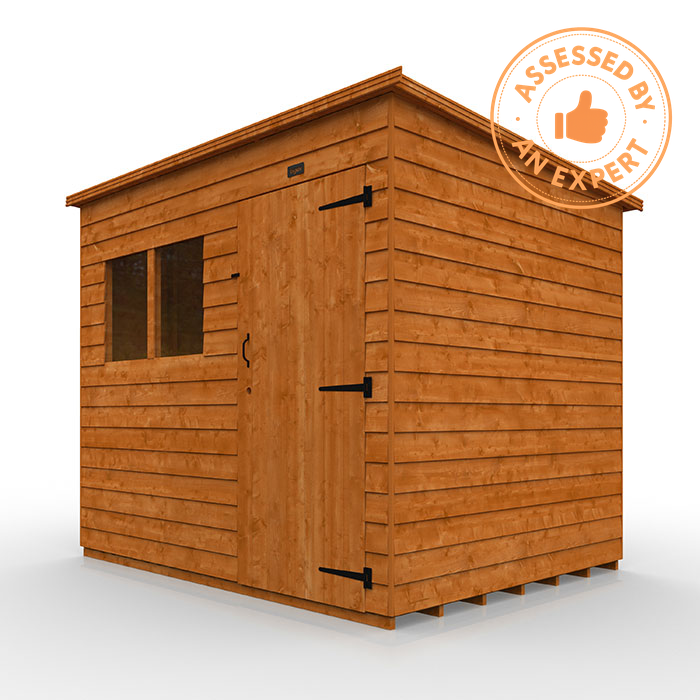
Product ID: tiger-sheds-tiger-overlap-pent-shed
Size: Multiple sizes available
Merchants Checked: 10
Pent sheds are a staple of the UK garden market, and for good reason. They’re practical, easy to live with, and they slot neatly into gardens where space is at a premium. They don’t shout for attention in the way an apex shed can, and they tend to work particularly well in tighter footprints, side passages, or areas where you want something functional without it becoming a visual statement.
The Tiger Overlap Pent Shed sits squarely in that category: a straightforward, affordable garden shed with a clean, slim profile and a very clear purpose.
Understanding Tiger’s pent shed range (and why it’s confusing)
What can be confusing for buyers — especially those new to Tiger’s range — is just how many pent sheds Tiger actually offer.
Within their wider lineup you’ve got the TigerFlex pent sheds with configurable door positions, windowed and windowless versions, security variants with reinforced locking bars, standard shiplap pent sheds, an extra-height shiplap pent, and then the step up into the elite pressure-treated models.
On paper, many of these look almost identical. Aesthetically, overlap, shiplap and pressure-treated pent sheds all share a similar silhouette. The real differences lie in height, construction method, framing strength, and intended use — and that’s exactly where this review earns its keep.
Transparency first: what we have (and haven’t) inspected
It’s important to say upfront that we haven’t physically inspected the Tiger Overlap Pent Shed itself. It wasn’t available at any of the three Tiger show sites we visited. We are hoping to see one later this year and will update this review when we do.
However, what we have done is carry out very in-depth inspections of Tiger’s overlap apex sheds, and those inspections tell us a great deal about what to expect here. The internal framing, floor construction, roof construction, doors, and general build quality are effectively the same. The primary difference is the roof form and overall height.
So while this review is partly inferred, it’s inferred from extensive first-hand inspection of directly comparable buildings — not guesswork.
Where the overlap pent sits in the Tiger range
The Tiger Overlap Pent Shed is the lowest-height pent shed in Tiger’s lineup. That difference is noticeable.
In Tiger’s shiplap and pressure-treated pent sheds, we’ve always found internal headroom generous. I’ve been able to stand comfortably inside them with space to spare. In those models, you never feel like you’re about to clip your head, even if you jump slightly.
That’s not the case here.
The overlap pent is noticeably lower. You feel it immediately. This isn’t something you’d miss — it’s obvious. In the higher-spec pent sheds, I’ve often remarked that I could jump without any concern. In the overlap pent, that wouldn’t be happening.
It doesn’t make it unusable, but it firmly defines what this shed is and isn’t for.
This is not a workshop.
This is not somewhere you’re going to spend extended periods of time working, fitting shelving, or hanging heavy items from the walls.
This is a storage shed, and it’s designed as such.
Overlap construction: strengths and compromises
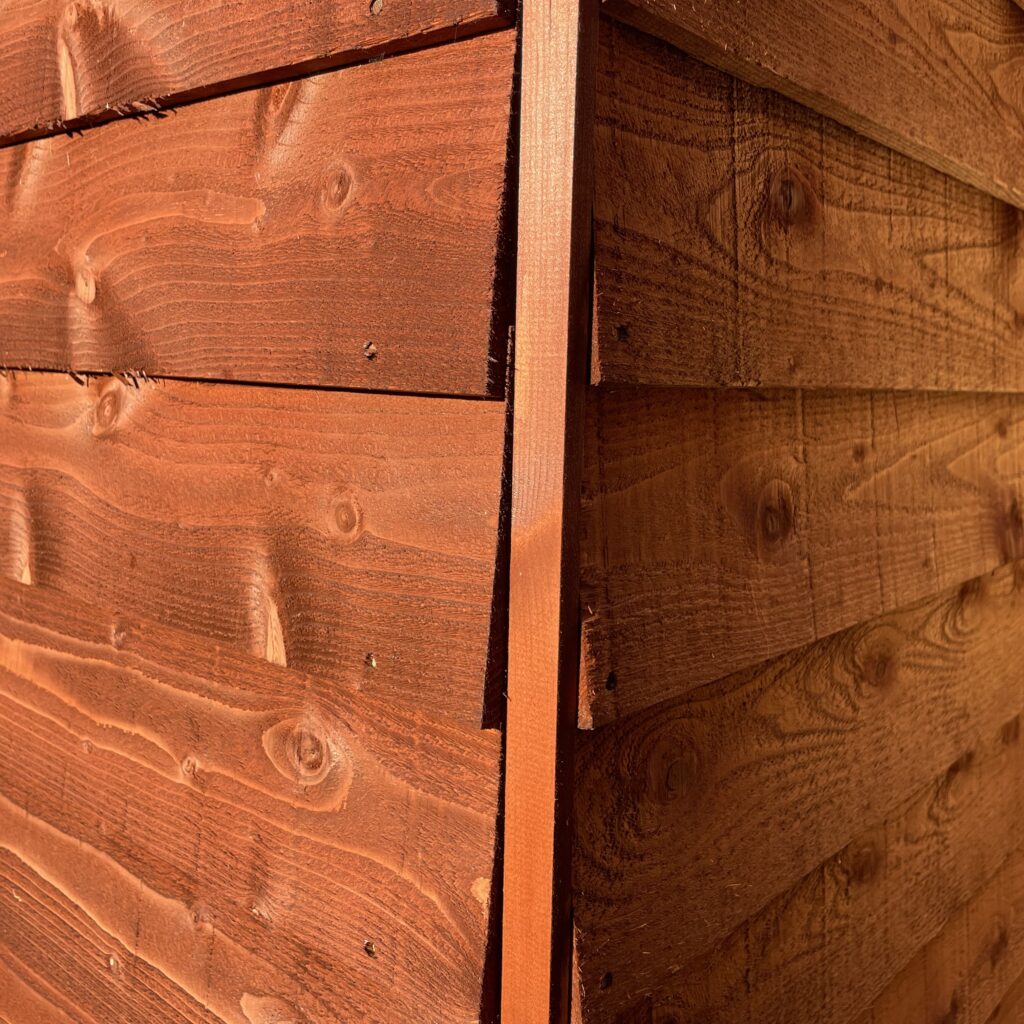
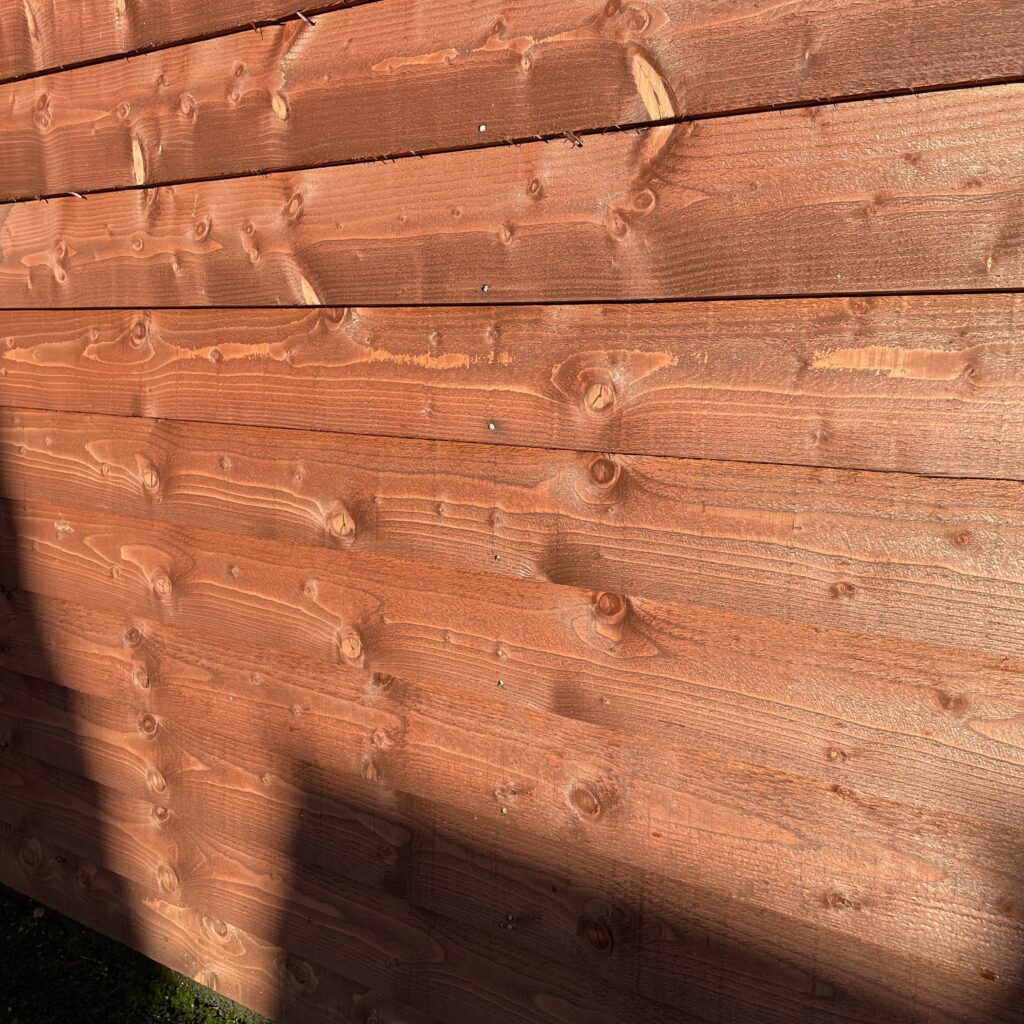
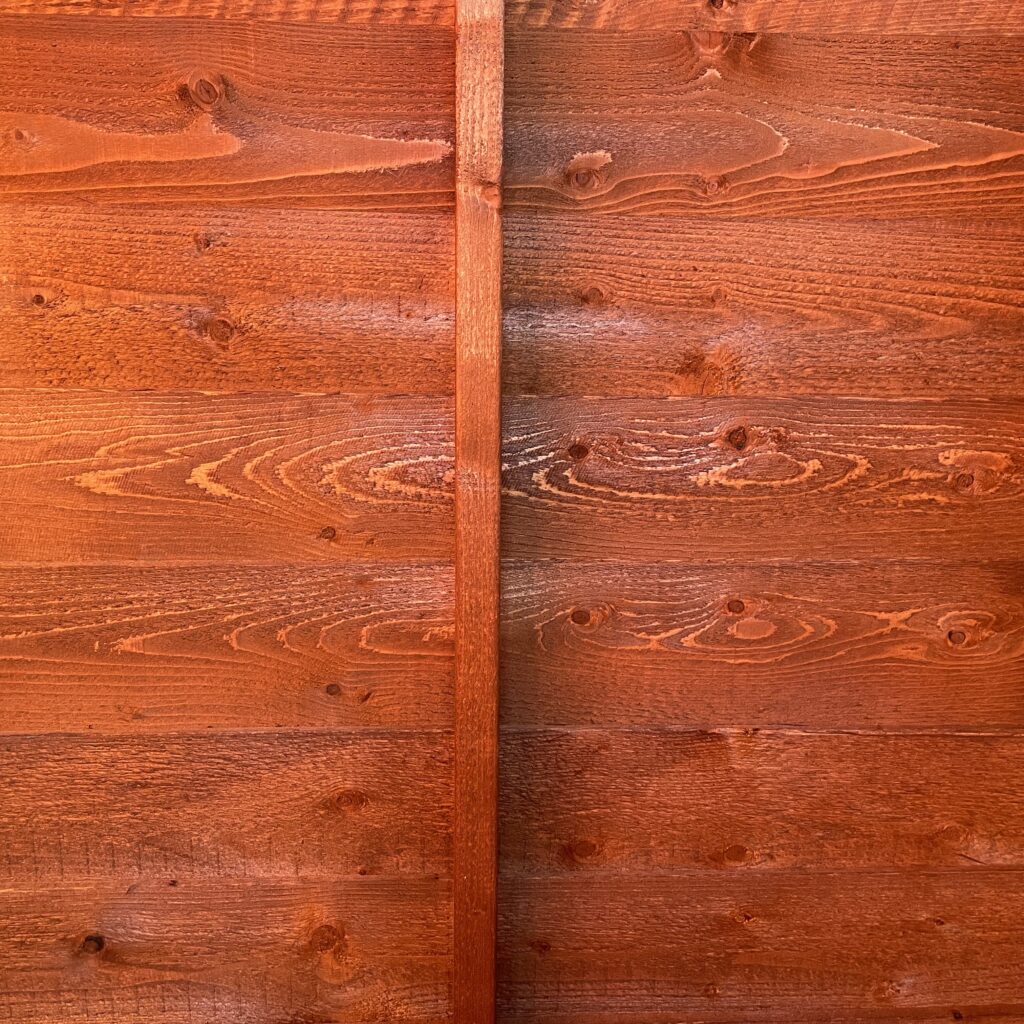
Overlap cladding is, by definition, a more budget-friendly construction method than tongue-and-groove. That brings certain compromises, particularly when it comes to rigidity and fixing things internally.
You can’t easily mount shelving directly to overlap boards — you’d need to fix into the framing itself, which concentrates load and stress in fewer places. That’s why we always say overlap sheds are best suited to general storage, not regular daily use.
However — and this is a big however — Tiger’s idea of “budget” is not the same as many other manufacturers’ idea of budget.
Why Tiger’s floor and roof construction matters
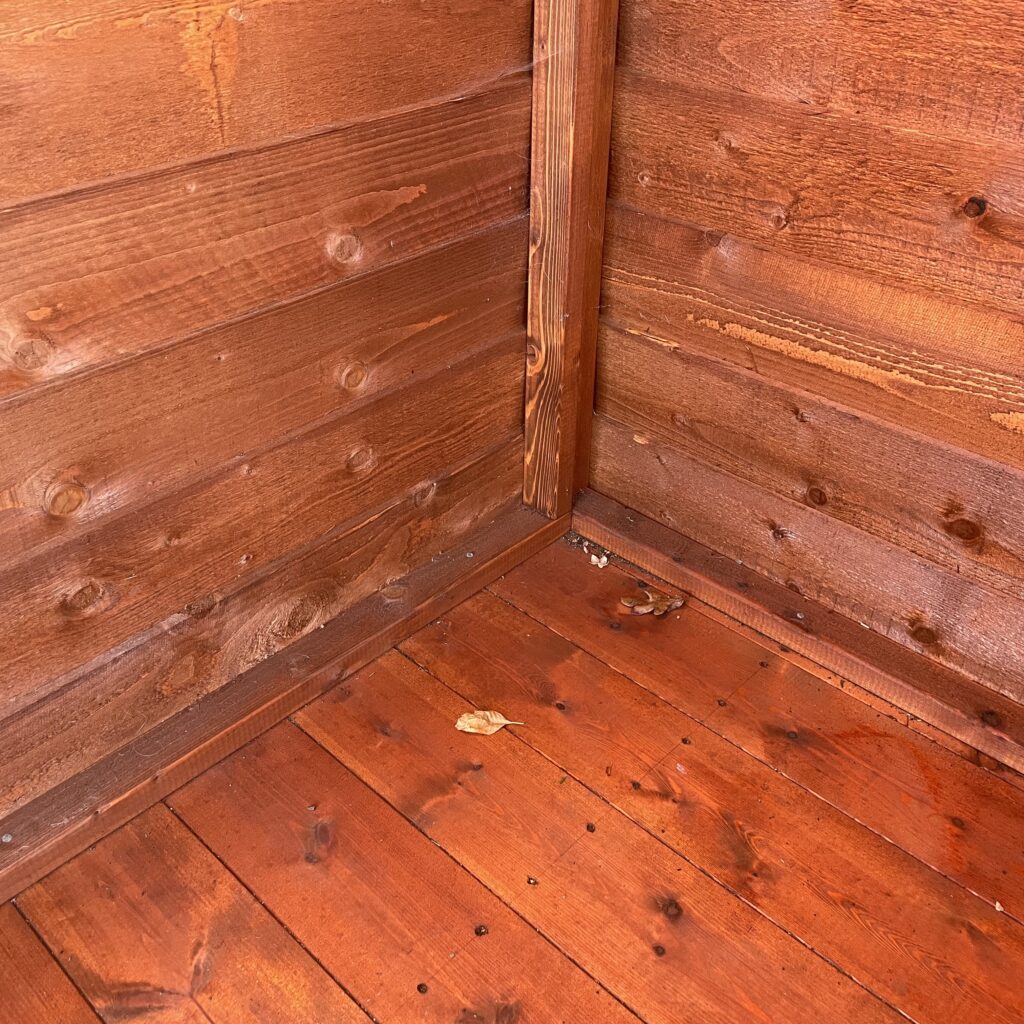
Tiger do not use OSB for the roof or floor on this shed. That matters enormously.
OSB — which is essentially resin-bonded wood chip — behaves terribly once water gets into it. We’ve seen countless sheds over the years where the felt has blown off, rain has got in, and the OSB roof has simply disintegrated.
The best analogy is soggy Weetabix: once the water gets in, the bonds break down, the board swells, and collapse is inevitable.
That doesn’t happen here.
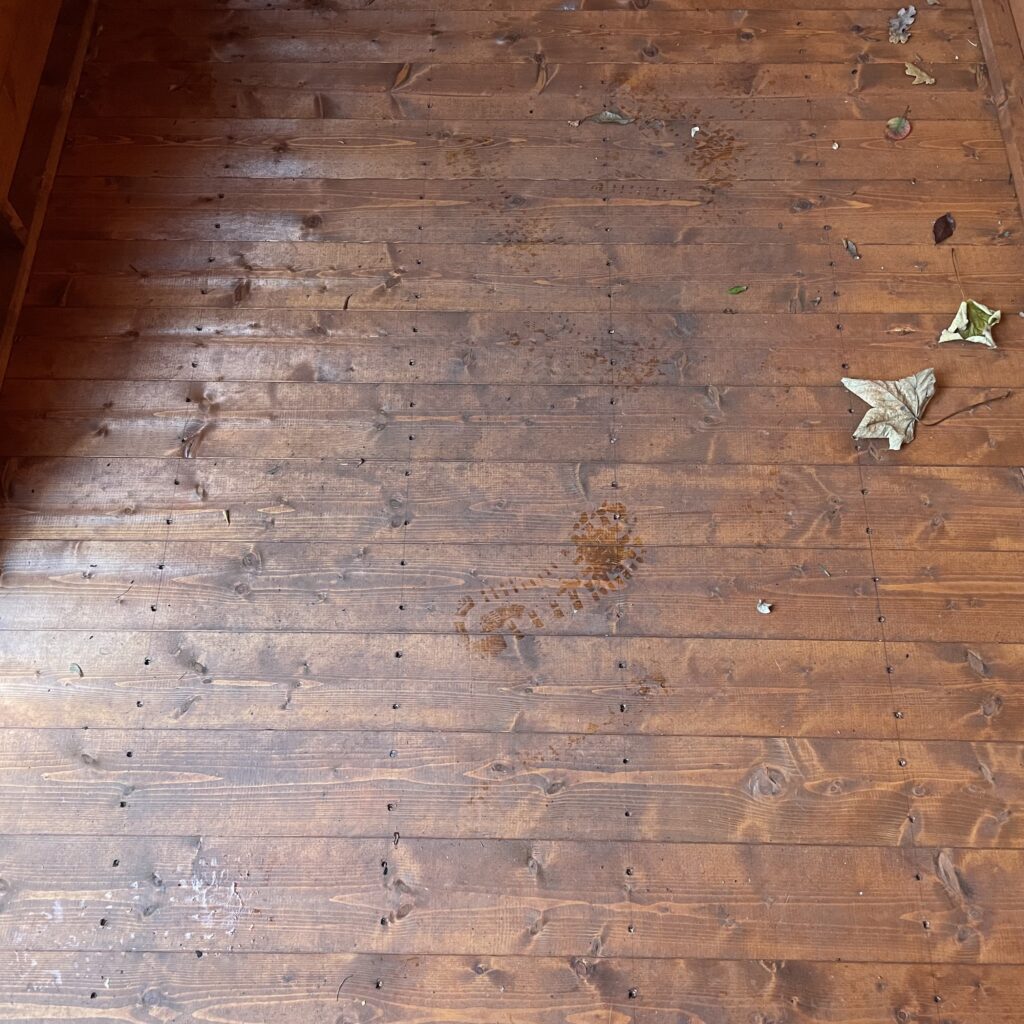
This shed uses tongue-and-groove boards for both the floor and the roof, which means that even if the felt fails and water gets in, the wood can dry out. Good-quality timber can get wet, dry again, and carry on doing its job.
From a longevity perspective, that single design decision puts the Tiger Overlap Pent Shed well ahead of many similarly priced competitors.
Door construction and known overlap quirks
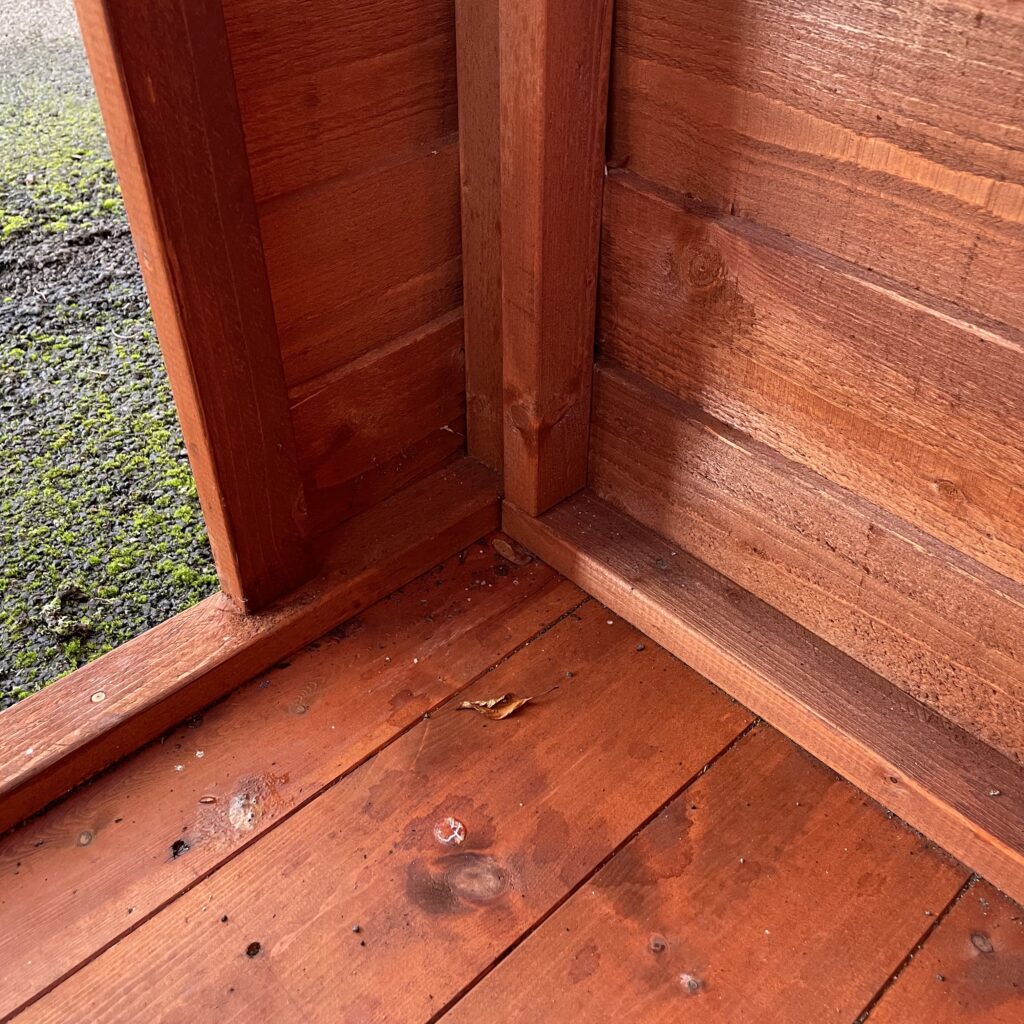
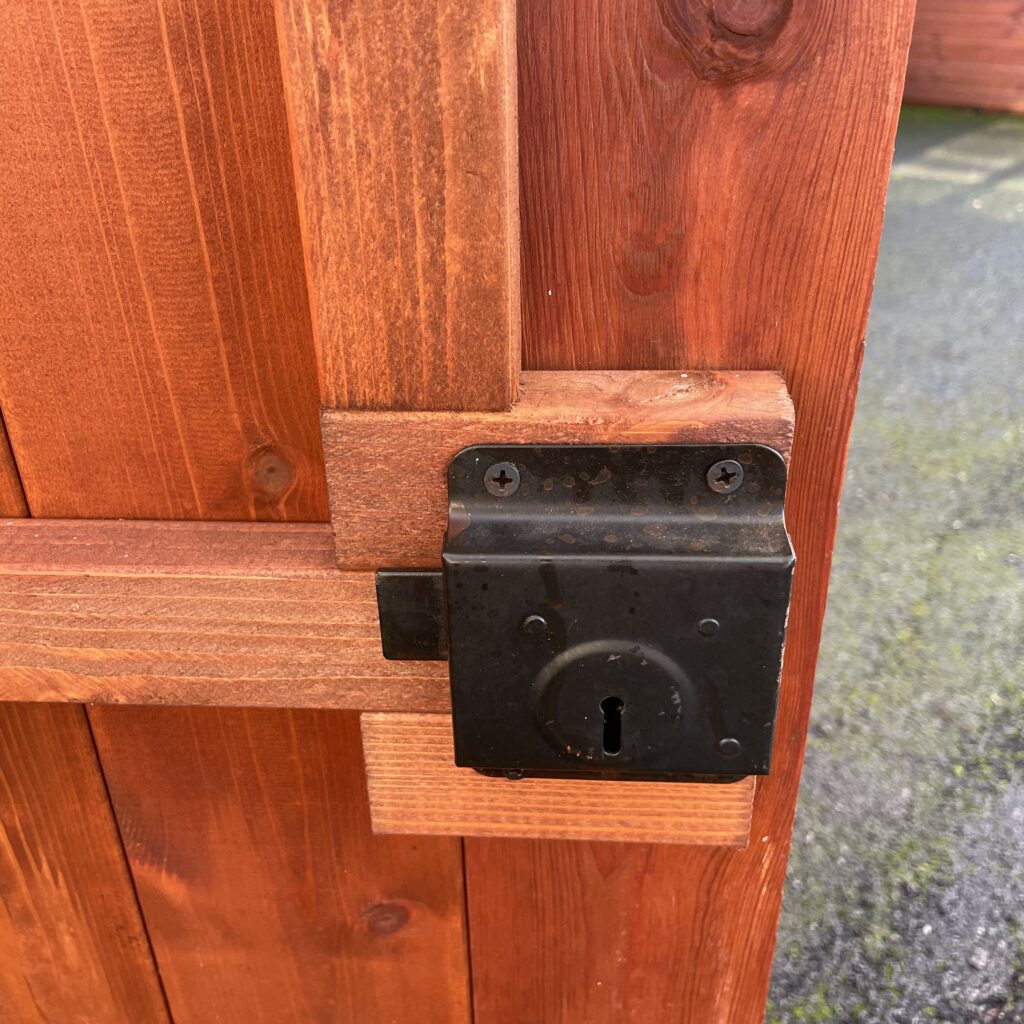
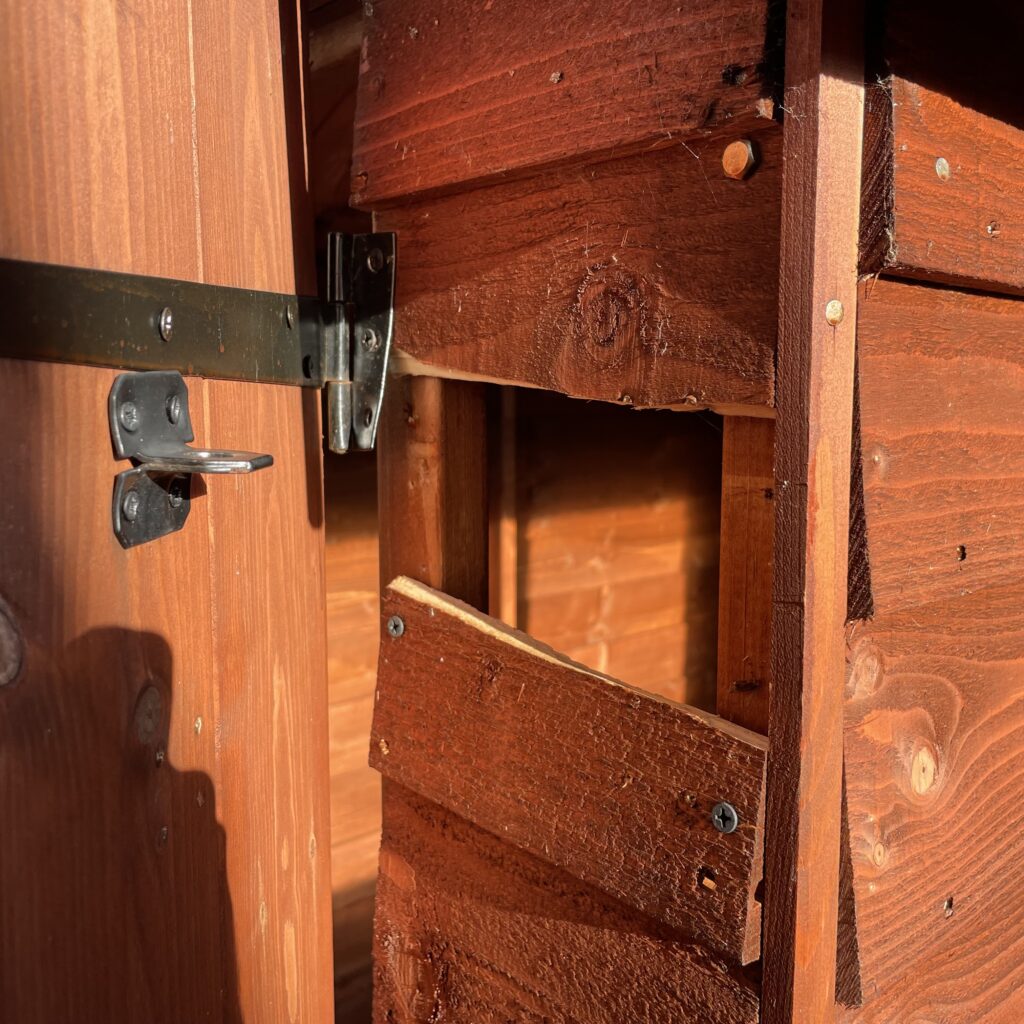
One of the inherent weaknesses of overlap construction is how hinges are fixed. Because the boards overlap each other, the hinge screws have to pass through that overlap before reaching the frame. In practice, this can mean the screws don’t seat quite as deeply as they would on shiplap or loglap cladding.
When we inspected the overlap apex version, we did notice a minor issue where a section of overlap cladding had come loose over time. It wasn’t structural, and it didn’t compromise the building, but it’s worth mentioning.
It’s also worth saying this is the budget end of Tiger’s range, and expectations need to be set accordingly.
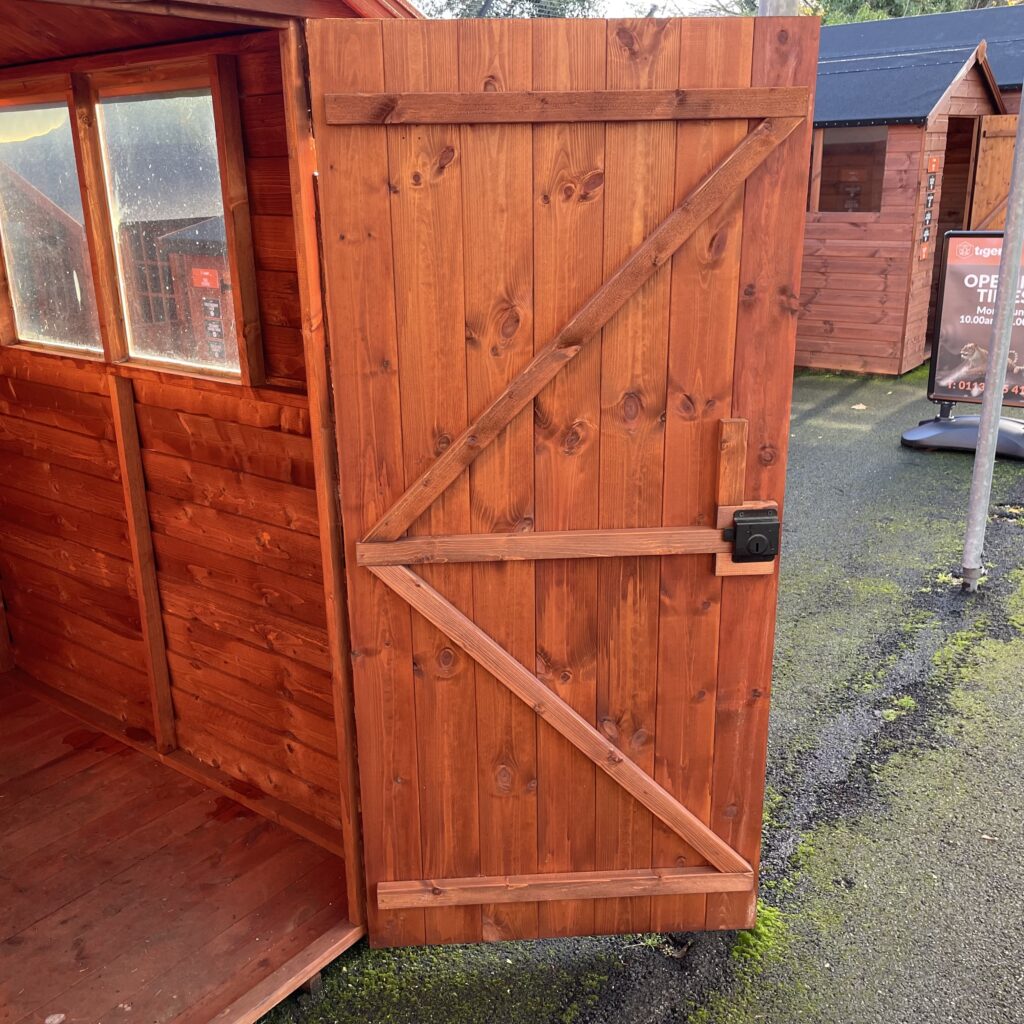
That said, the doors themselves are well-made, fully boarded, and far better than what we’ve seen from many competitors at this price point.
Floors, windows, and real-world durability
In similar overlap floor plans we’ve inspected, we’ve never once had an issue with floor strength. The overlap apex shed we reviewed was rock solid underfoot and notably dry inside.
The floor construction is robust enough for typical garden storage without hesitation.
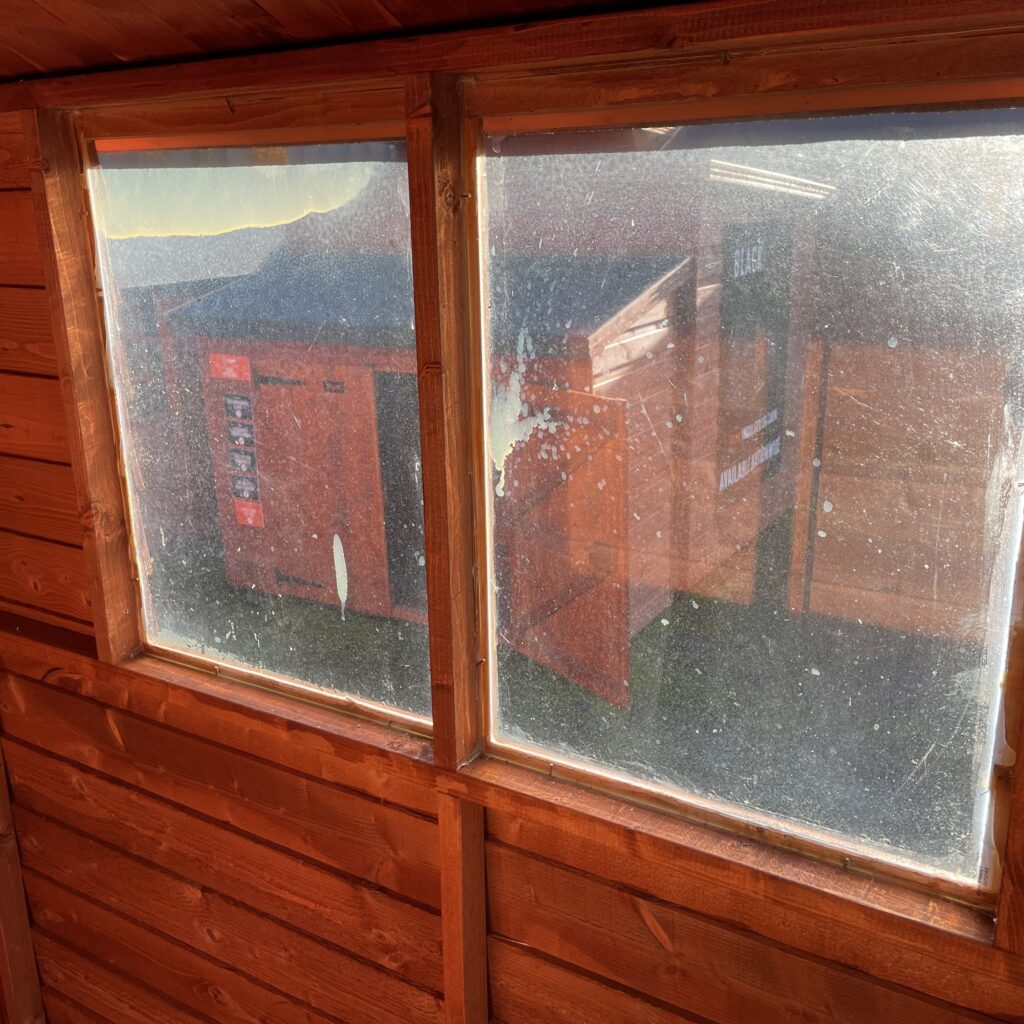
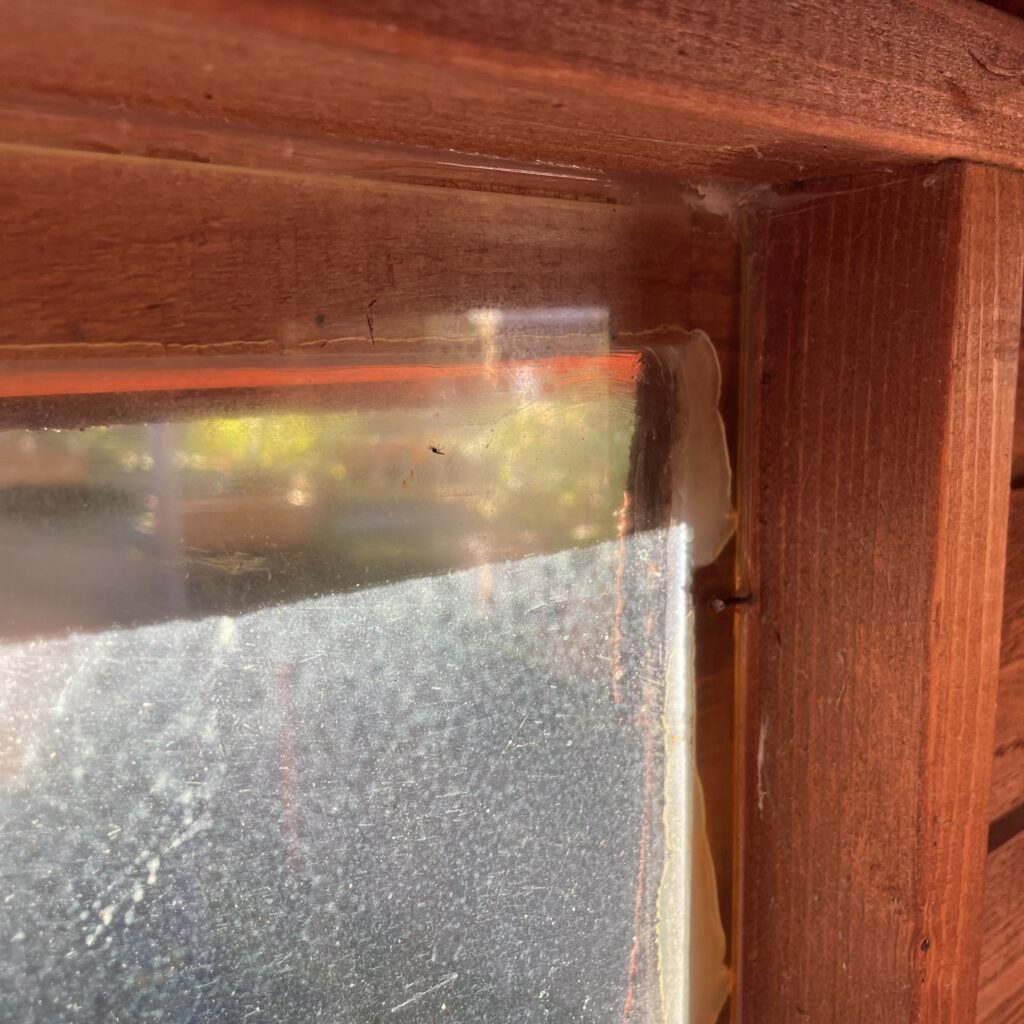
The windows, too, are fitted with the same care we see across Tiger’s range. They’re professionally installed, well seated, and not an afterthought. Again, this reinforces the point that Tiger simply don’t cut the same corners others do — even on their cheapest sheds.
What this shed is (and isn’t) for
This is a basic, good-quality, affordable pent shed.
It’s ideal if you need something that fits neatly into a restricted footprint, with the door positioned on the side to maintain a slim profile. It works well for garden tools, bikes, outdoor furniture, and general storage.
It is not a workshop.
It is not designed for hanging heavy shelving.
It is not intended for daily, hands-on use.
If that’s what you need, there are better options — namely Tiger’s shiplap, extra-height, or pressure-treated pent sheds with thicker framing and greater internal height.
Final thoughts
The Tiger Overlap Pent Shed represents excellent value done properly.
It’s budget-friendly without being disposable.
It’s simple without being flimsy.
And while it doesn’t pretend to be something it’s not, it quietly outperforms many sheds that cost similar money — and some that cost more.
If you want a neat, practical, side-door pent shed for general storage, and you want something that will still be standing years down the line, this is a very solid choice.
And when we get one inspected in person later this year, we’ll revisit it — but based on everything we know and everything we’ve seen, expectations here are already well set.