EXPERT REVIEWED
  FREE DELIVERY
  INSTALATION AVAILABLE
 Tiger Pent Workshop – Expert Review
First Added - November 28 2025
Last Updated - November 28 2025 - 0 Data Points Updated - 0 Data Points Added
Reviewed & curated by a panel of garden building experts. Using methodology 1.1
Product ID: tiger-sheds-tiger-pent-workshop
Size: Multiple sizes available
Merchants Checked: 10
Available From: 1
Support WhatShed: by making a purchase after clicking a link above, a portion of the sale supports this site.
A light-filled, wide-access workshop with proven materials — and one span-related question we’d have liked to answer in person
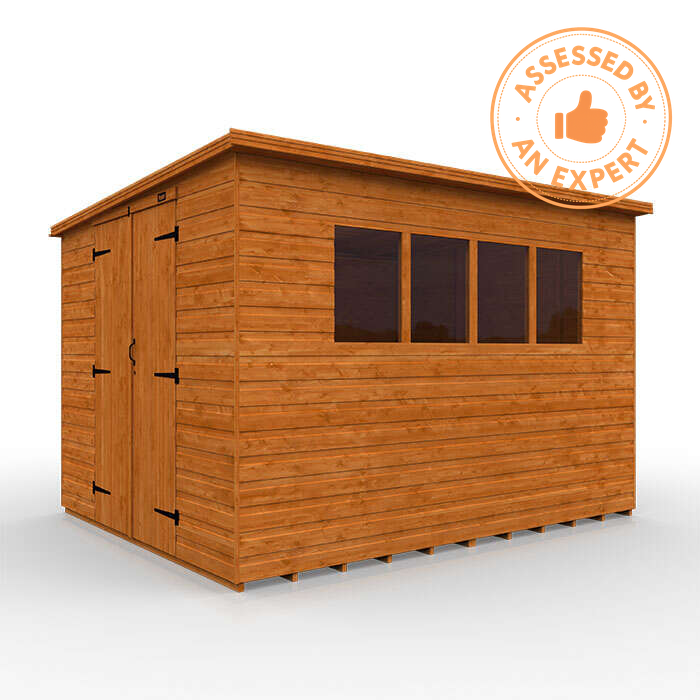
The Tiger Pent Workshop is one of those buildings that, on paper, makes a great deal of sense. It combines a generous footprint, wide double-door access, and a strong emphasis on natural light — all wrapped in Tiger’s familiar 12mm tongue & groove shiplap construction.
Before going any further, though, it’s important to be transparent about how this review is informed.
Inspection context: what we can — and can’t — claim first-hand
We have not physically inspected the Tiger Pent Workshop itself.
However, we have:
- Reviewed most of Tiger’s pent shed constructions
- Reviewed numerous Tiger workshops with double doors
- Inspected multiple Tiger buildings with very similar footprints
- Inspected large-span Tiger buildings up to 20×10, including workshops and log cabins
That breadth of inspection allows us to speak categorically about how this building is likely to perform, while still being honest about the one area where we would have liked more first-hand exposure.
The only thing we would ideally have liked to inspect directly is a pent shed with a full 10-foot depth, built in 12mm tongue & groove shiplap, purely to observe how Tiger handles that span in pent form. We understand exactly how they manage it on their larger log cabins, and we’ve been very impressed there — but seeing it executed in shiplap would have completed the picture.
With that caveat clearly stated, we can still give you a very solid understanding of this building’s strengths, and its potential limitations.
Sizes, footprint, and who this workshop is really for
The Tiger Pent Workshop is available in a wide range of sizes, from 10×8 all the way up to 20×10, which immediately places it in a different category from smaller garden sheds.
This is not a casual storage building. It’s designed for people who:
- Want regular access
- Need to move bulky or awkward items
- Value light and space
- Want something more substantial than a standard shed, but don’t need a full garage
In that sense, it sits neatly between a heavy-duty shed and a garage-style structure.
Light: one of this workshop’s biggest strengths
The first thing we genuinely like about the Tiger Pent Workshop is the bank of windows.
Depending on size, you’re getting four or more fixed windows, and that makes a significant difference. Compared to something like the Tiger Workman Apex — which is arguably its closest internal competitor — this building will let in noticeably more natural light.
That matters if you’re:
- Working inside regularly
- Moving equipment around
- Using the space during darker months
Even with the doors shut, the internal environment is likely to feel brighter and less enclosed than many workshops in this class.
Double doors and straight-line access
The double doors are another key strength, and they’re particularly well suited to the pent format.
They’re wide, full-height, and almost garage-like in feel. That straight-line access makes a real difference if you’re bringing in:
- Ride-on lawn mowers
- Motorbikes
- Heavy tools or machinery
- Anything awkward but not quite “garage scale”
Because the doors are positioned at the front and open fully, you can use the entire footprint of the building without awkward manoeuvring. You’re not trying to turn corners or squeeze past door frames — you simply go straight in.
That alone will make this workshop appealing to a lot of practical users.

Shiplap cladding: a known Tiger strength
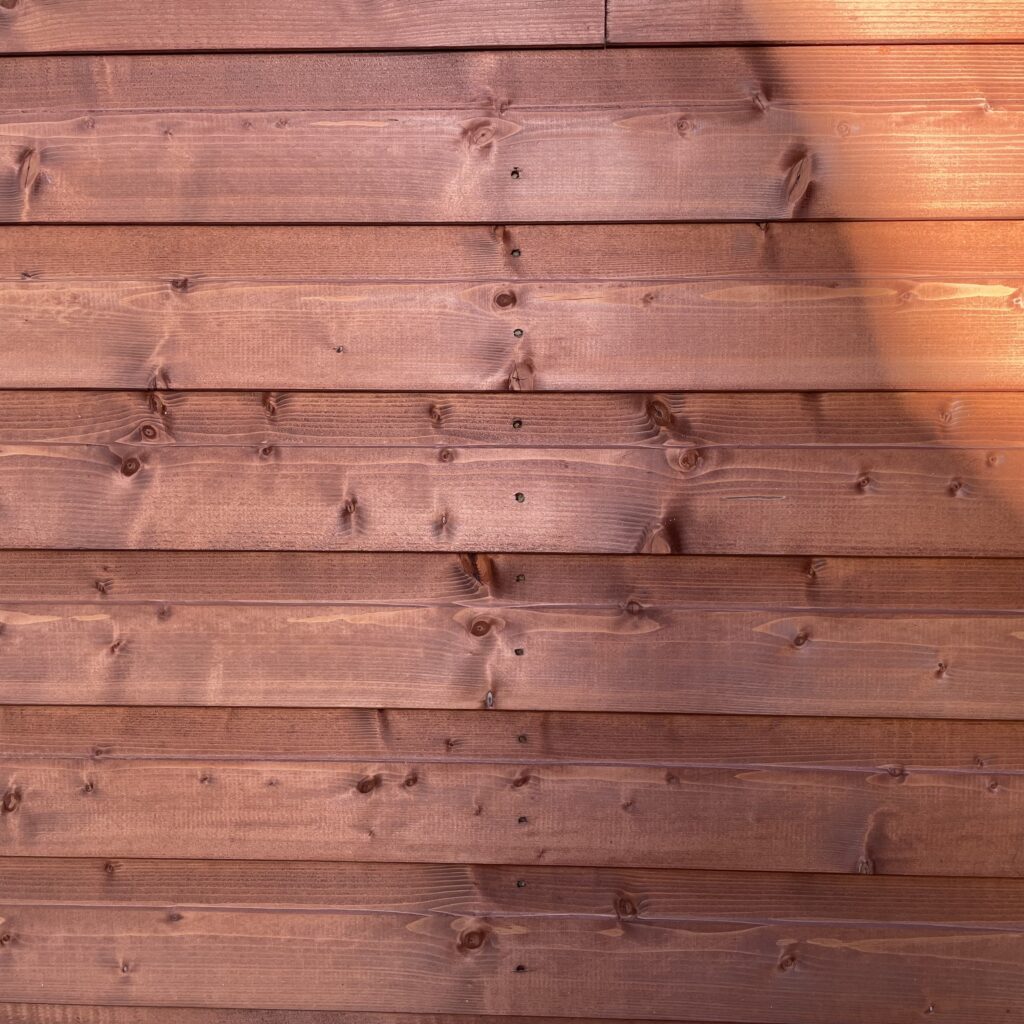
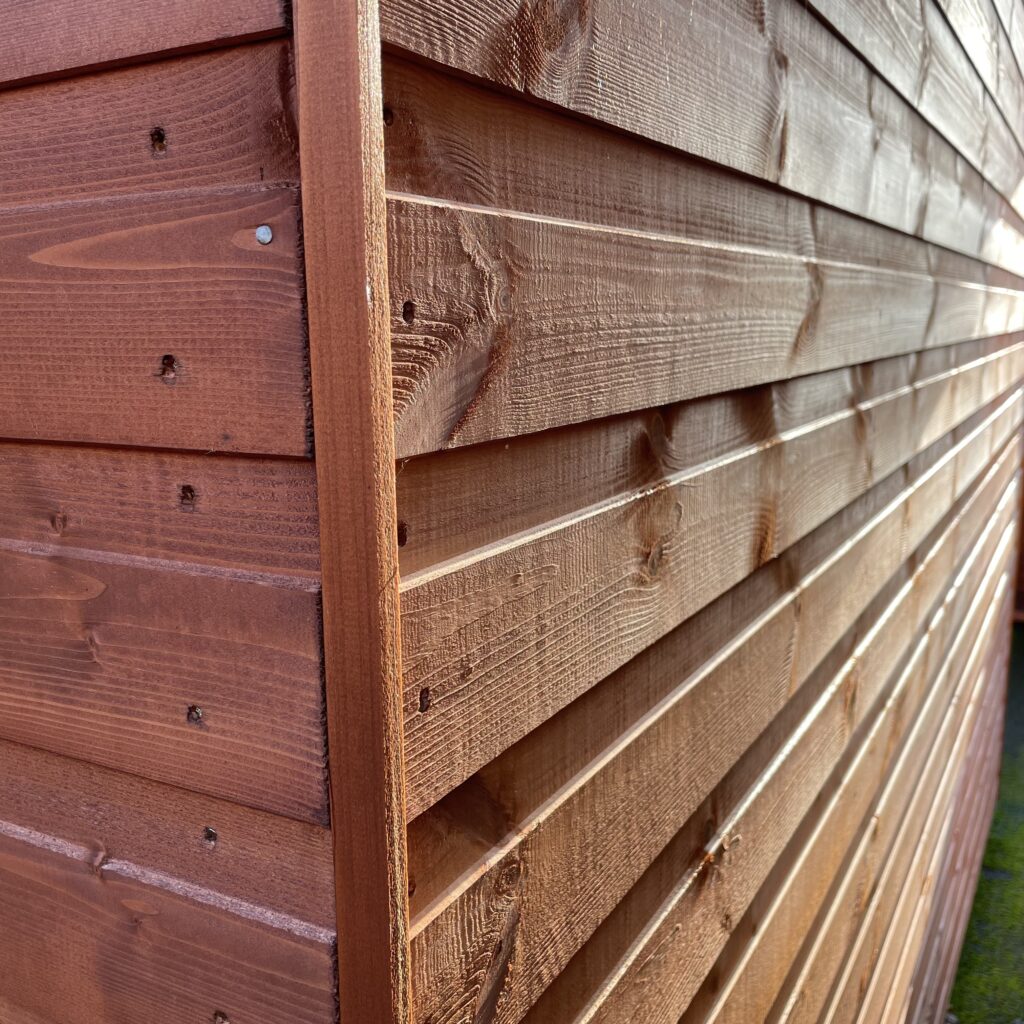
The 12mm tongue & groove shiplap Tiger uses here is something we know extremely well.
Across years of inspections, we’ve never had issues with:
- Warping
- Poor milling
- Inconsistent board profiles
- Weak fixing methods
In fact, one of the things that always stands out is how pleasant the timber is to handle. You can run your hand down it without feeling like you’re going to pick up a splinter, and the finish has a level of precision that’s impressive given that wood is an organic material.
We’ve also consistently seen:
- No strange board movement
- No gaps opening up over time
- Tight, uniform joins
That consistency doesn’t happen by accident, and it’s something Tiger deserves credit for.
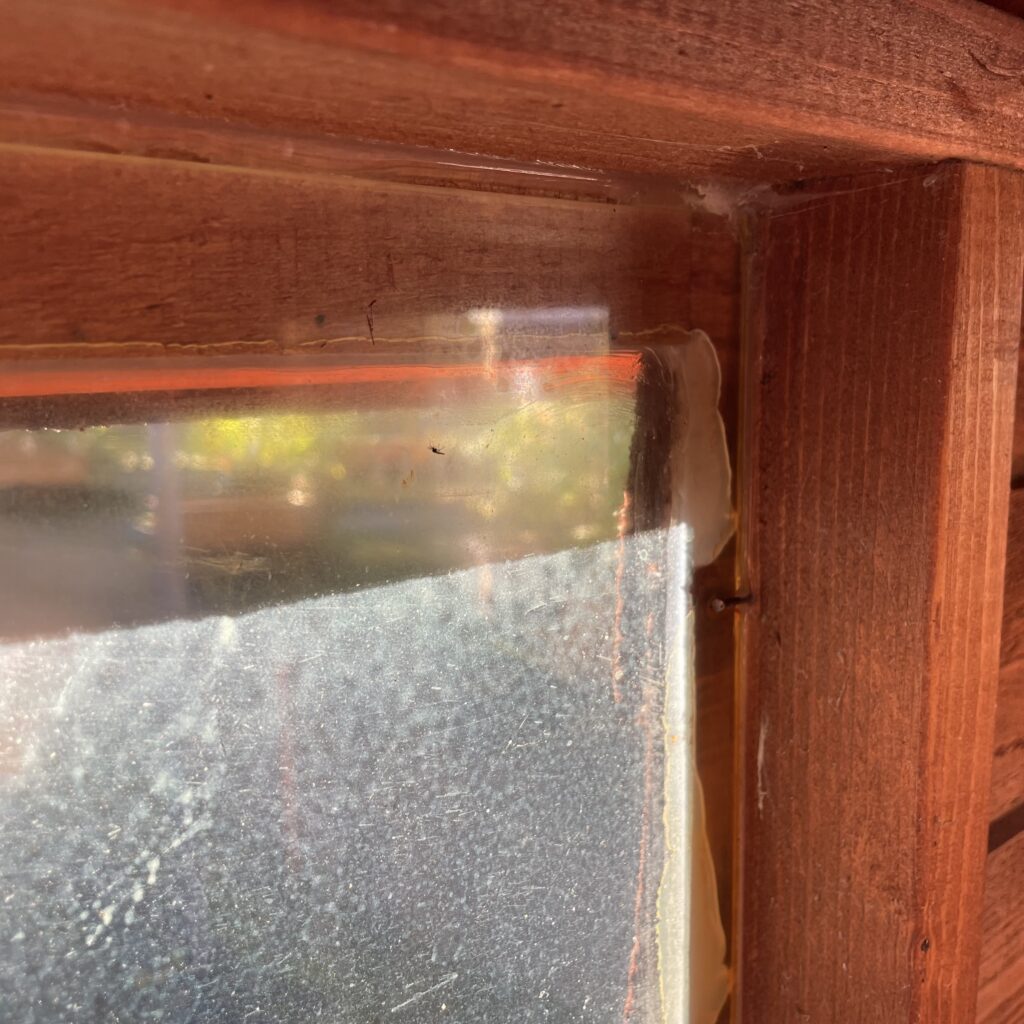
Windows: solid, quiet, and well fitted
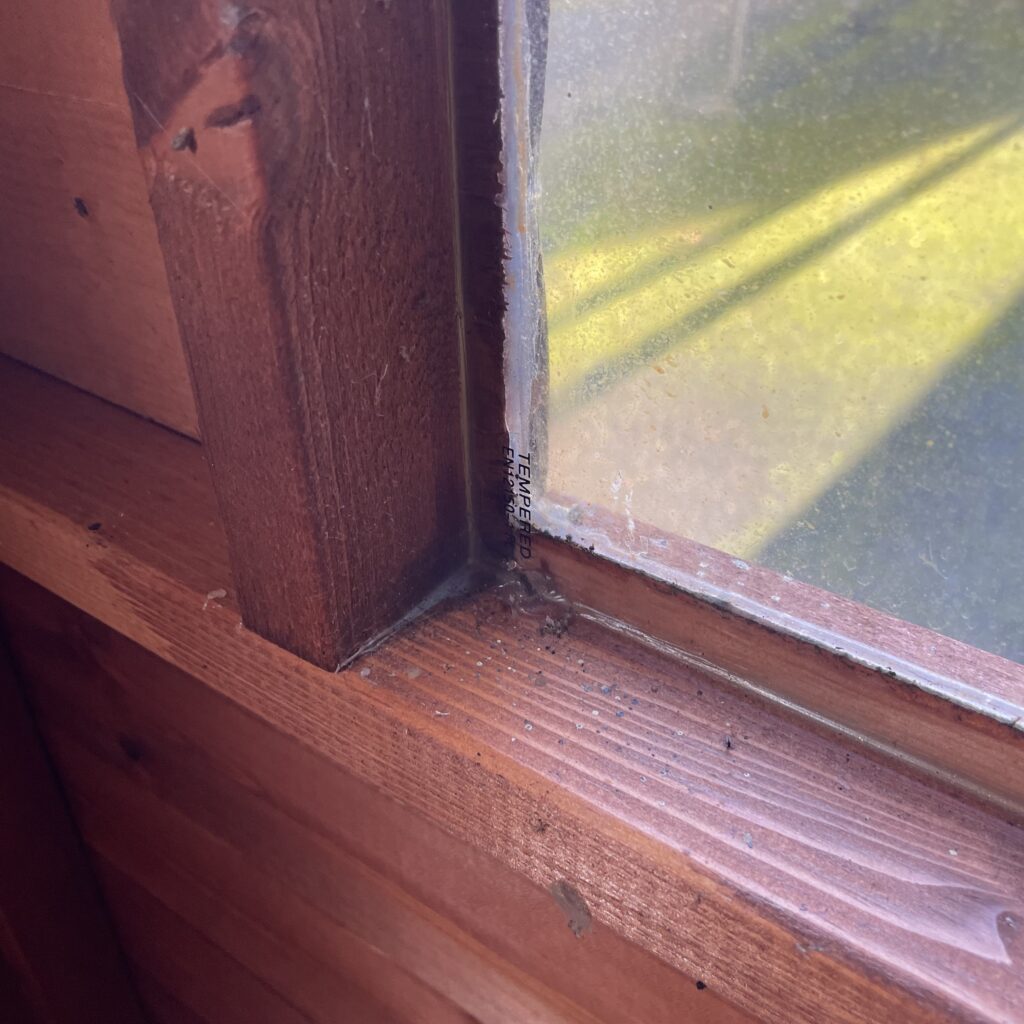
Tiger’s windows in their 12mm shiplap buildings have always impressed us, and there’s no reason to expect anything different here.
We often do a simple tap test on windows during inspections. Poorly fitted or low-quality glazing rattles. Cheap plastic panes produce a hollow, unpleasant crack. Well-fitted toughened glass doesn’t do either.
Tiger’s windows consistently feel:
- Solid
- Quiet
- Securely fixed
In windy conditions, that matters more than people realise. You don’t want constant rattles or movement, especially in a workshop you’ll use regularly.

Doors, weather protection, and security basics
The doors themselves are well thought through.
You get:
- A storm strip across the top
- A central storm strip where the doors meet
- A solid iron pull handle
- A lock that operates smoothly
Those storm strips are particularly important. They dramatically reduce the risk of water ingress when the doors are shut, which is often a weak point on cheaper workshops.
From what we’ve seen on similar Tiger buildings, the door framing is robust and well supported, and there’s nothing about the design that suggests sagging or long-term misalignment issues.
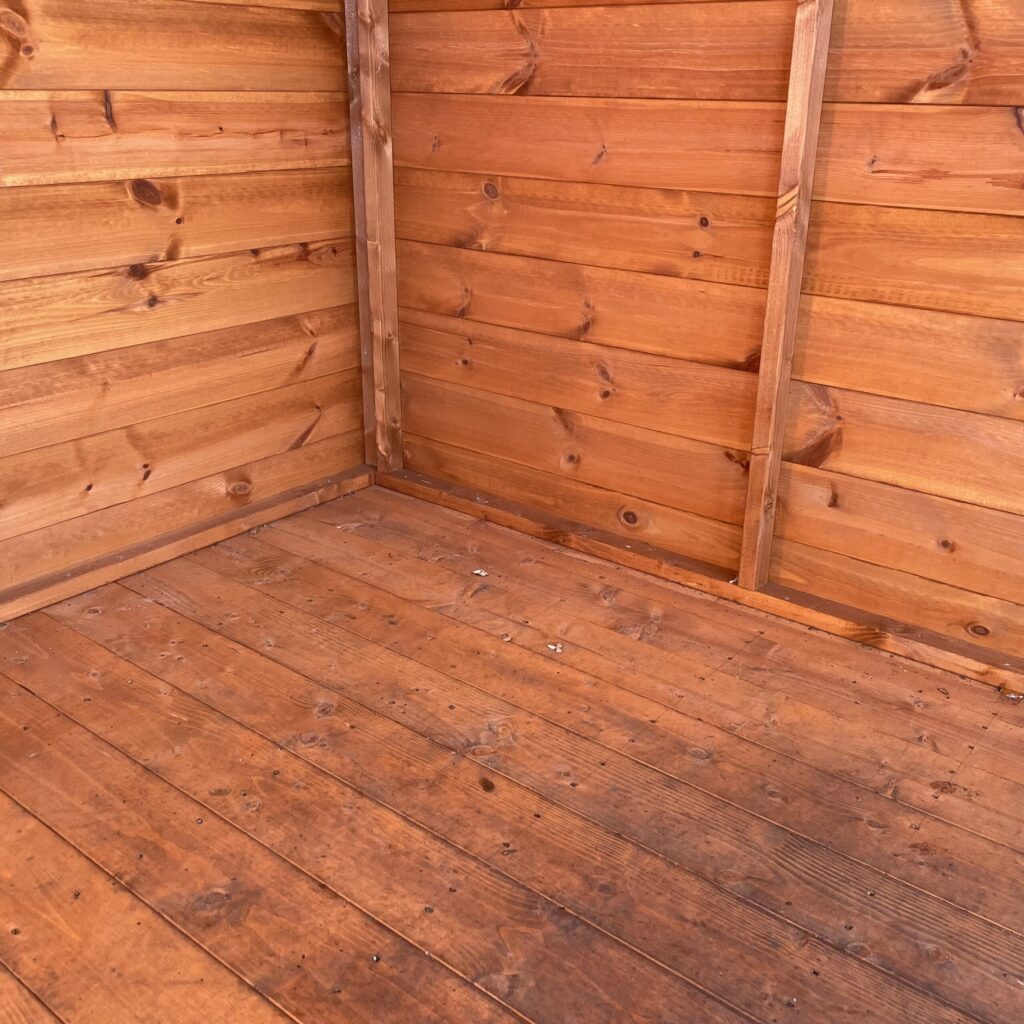
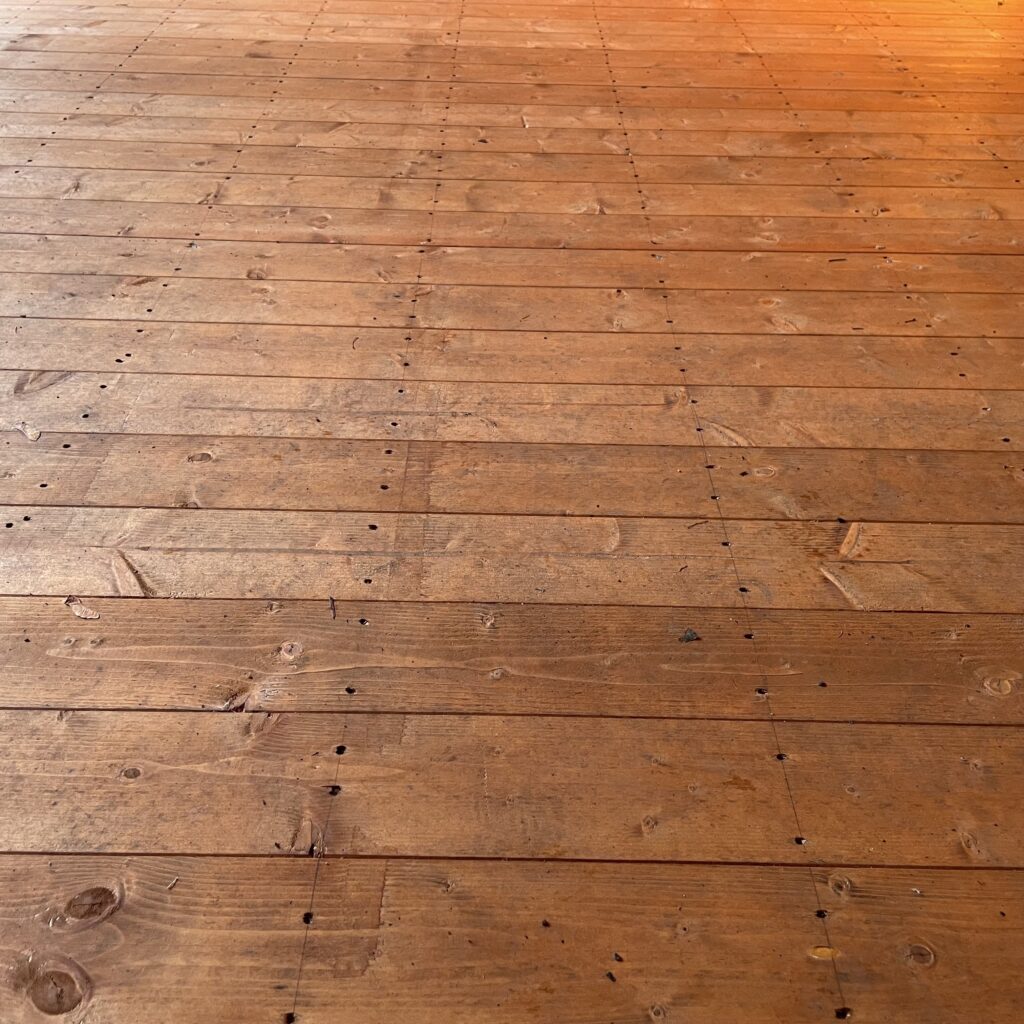
Floor strength: what experience tells us
While we haven’t tested the floor on this specific building, we have tested floors on many Tiger workshops and pent sheds with similar footprints.
Typically, our testing involves:
- A 75kg load placed centrally
- Measuring deflection with a laser
On Tiger floors of this type, deflection is usually around 2mm, sometimes less. More importantly, the subjective feel is always the same: firm, echoey, and solid underfoot.
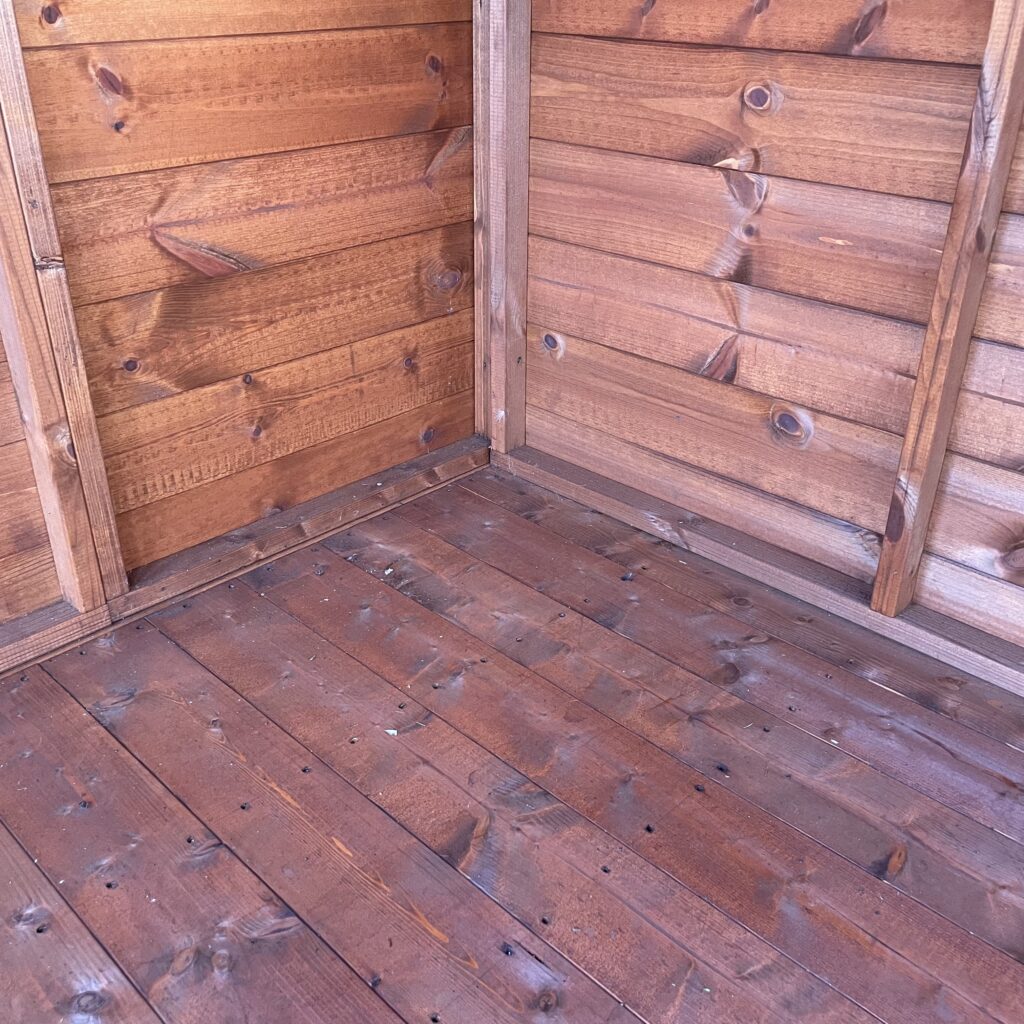
Tiger spaces their floor bearers more closely than average for the industry, and that shows. We’ve never had the impression that these floors are under-engineered — even in very large buildings.
Walls, framing, and the one area we’d have liked to explore more
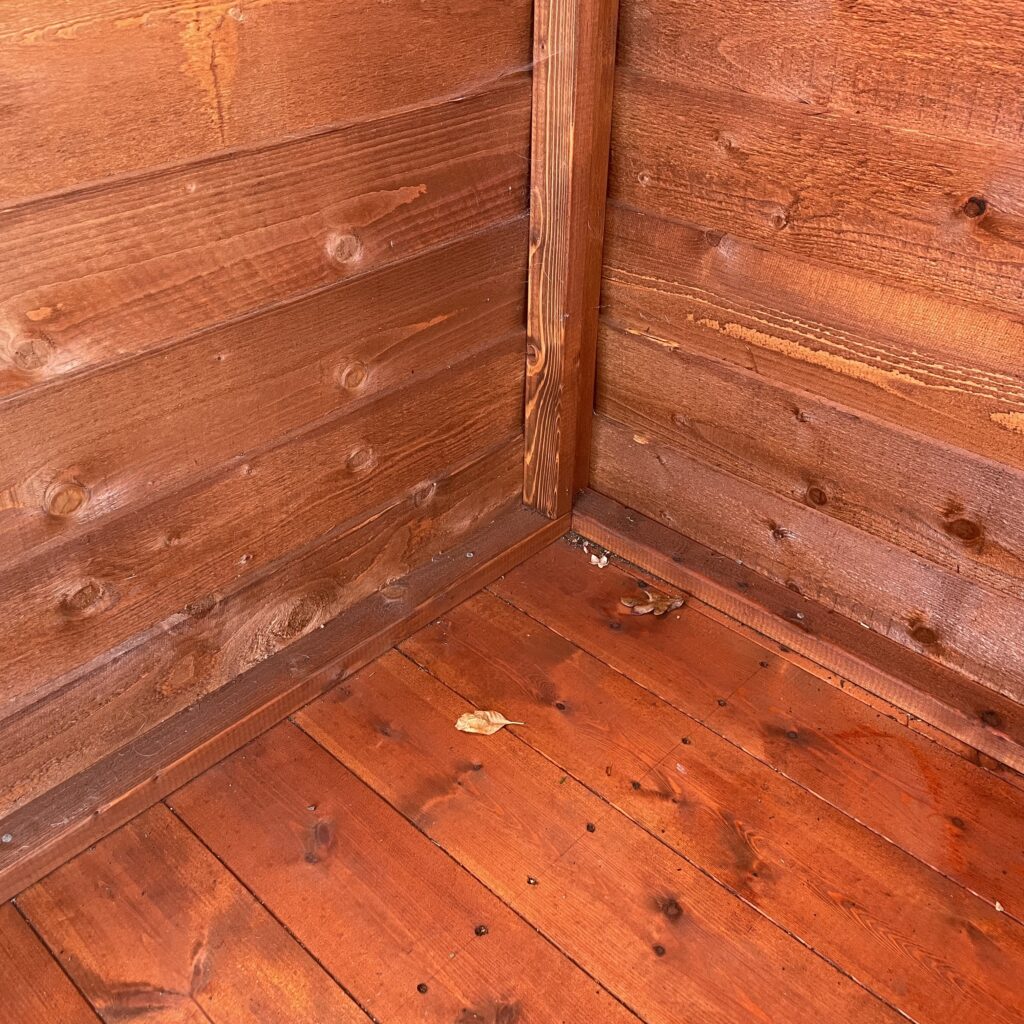
The walls on Tiger workshops are consistently solid, and again, there’s no reason to expect this building to be different.
However, this is where we reach the one genuine question mark — not a criticism, but a point of curiosity.
Pent designs naturally place more load on the rear wall, and when you start dealing with:
- 10-foot spans
- And especially 20×10 buildings
the ability to upgrade to heavy-duty framing becomes more relevant.
Tiger typically offers this option on other workshop models, effectively doubling the framing thickness. On a building designed for regular use, frequent movement, and potentially heavy equipment, that upgrade would have been a welcome option here — particularly at the larger sizes.
Similarly, while we’ve never found Tiger’s standard flooring inadequate, the option to increase floor thickness would also make sense for some users.
To be clear: we’ve never had problems with Tiger floors or walls in buildings of this size. This is about future-proofing, not correcting a weakness.
Pent roof construction: confidence, with one unanswered curiosity
We’ve inspected many Tiger apex workshops, including the 20×10 Tiger XL Heavyweight Workshop at Otley, and those have been impressively solid — even without upgrades.
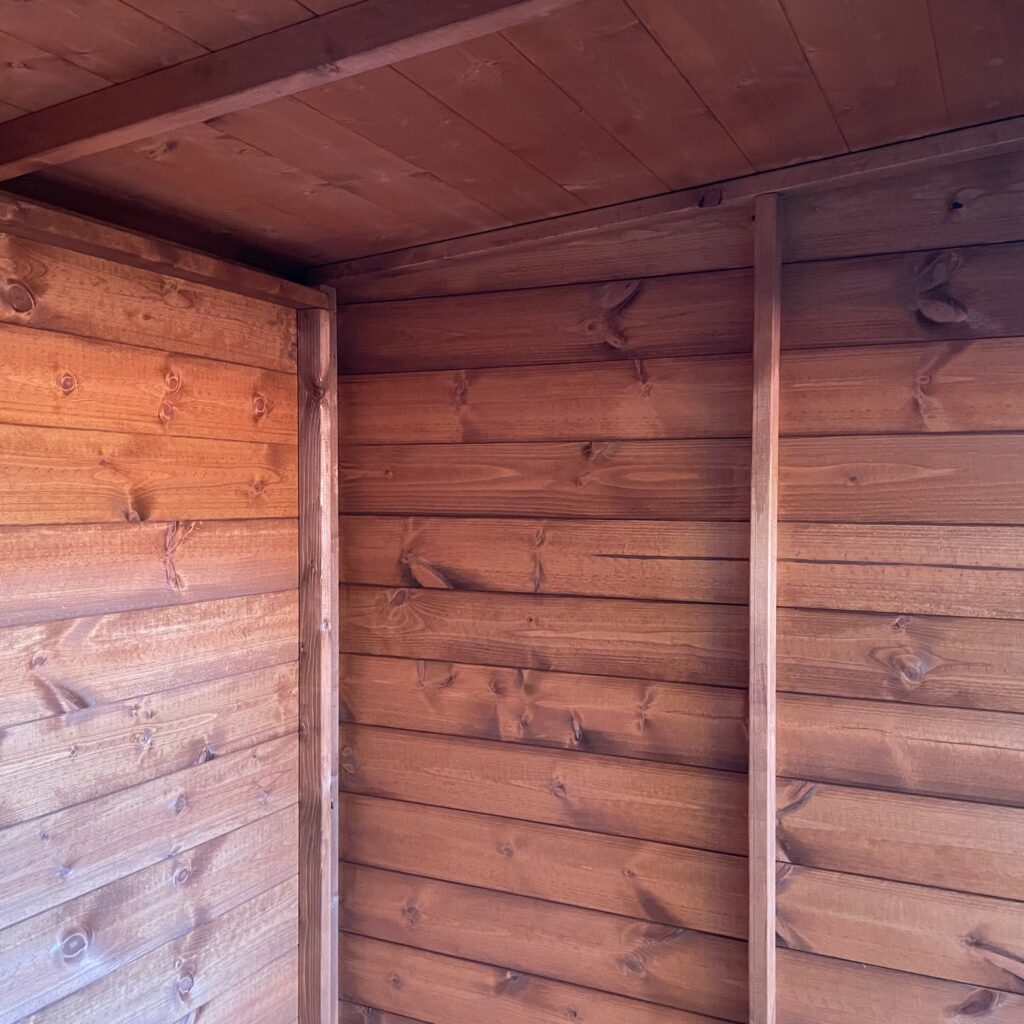
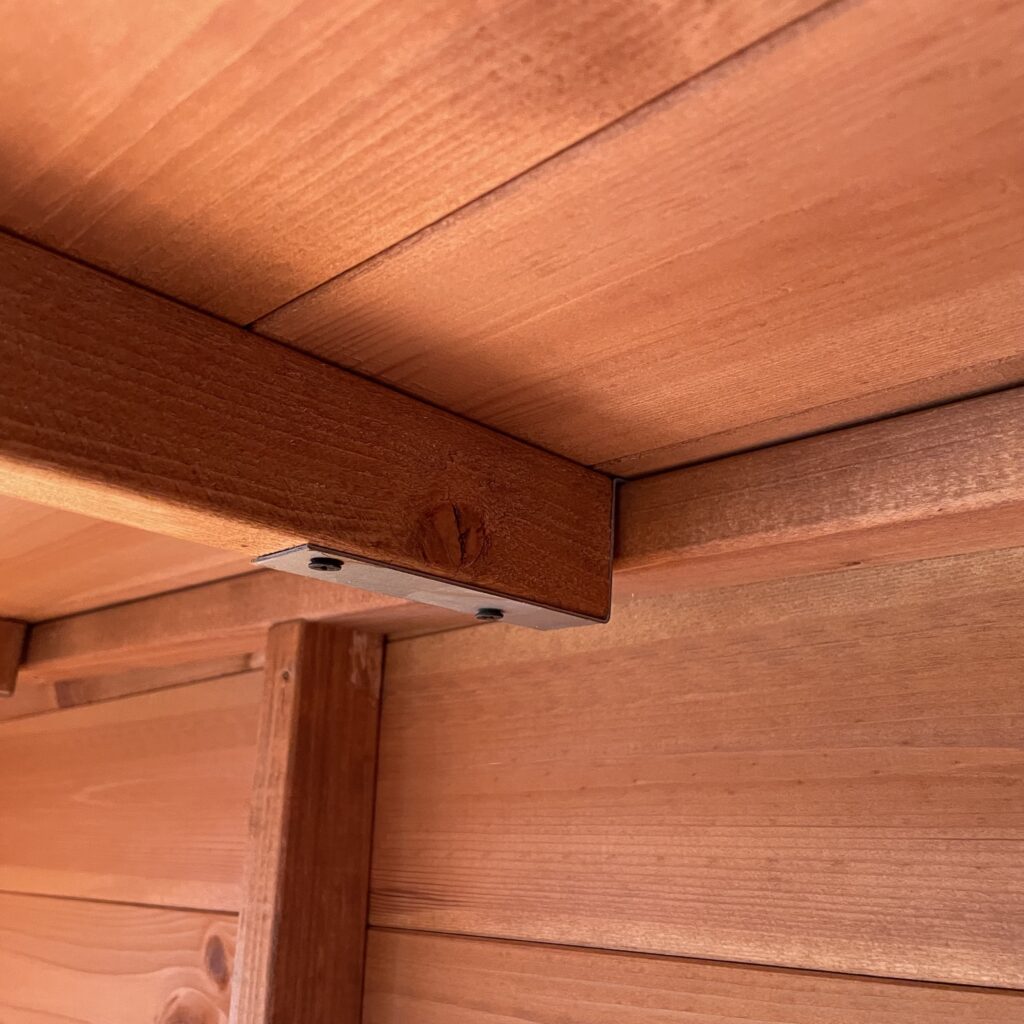
What we would have liked to see here is a pent roof executed across a full 10-foot depth in shiplap, simply to observe how Tiger handles that load path in this specific format.
Based on what we’ve seen elsewhere, there’s no reason to suspect an issue. It would simply have been reassuring to confirm it in person.
Overall build quality and longevity
What’s important to say is this: nothing about the Tiger Pent Workshop feels cheap.
The materials are good.
The construction methods are sound.
The detailing is thoughtful.
The finishes are consistent.
This is a workshop that should last a long time with normal care, and it carries all the hallmarks of Tiger’s better-executed buildings.
Final thoughts: solid, practical, and just one step short of ideal
The Tiger Pent Workshop is a strong, practical building that does a lot of things right:
- Excellent light levels
- Wide, straight-line access
- Proven 12mm shiplap construction
- Solid doors, windows, and flooring
- A wide range of sizes up to 20×10
Our only reservation isn’t about quality — it’s about choice. At the larger sizes, the option to upgrade framing (and possibly floor thickness) would make an already good workshop even better.
That said, based on extensive experience with Tiger’s comparable buildings, there’s every reason to expect this to be solid, durable, and satisfying to use.
It would simply have been nice to stand inside a large one in person — not because we doubt it, but because it’s the kind of building that invites scrutiny.
And that, ultimately, is a good problem to have.