EXPERT REVIEWED
  FREE DELIVERY
  INSTALATION AVAILABLE
 Tiger Potting Shed – Show Site Review
First Added - November 28 2025
Last Updated - November 28 2025 - 0 Data Points Updated - 0 Data Points Added
Reviewed & curated by a panel of garden building experts. Using methodology 1.1
Product ID: tiger-sheds-tiger-potting-shed
Size: Multiple sizes available
Merchants Checked: 10
Potting sheds are one of those garden buildings that look deceptively simple — and in reality are much harder to get right than a standard shed.
The moment you introduce a large glazed area, everything changes. Structurally, you’re removing timber and replacing it with weighty glass. From a durability point of view, you’re creating more joints, more sealing points, and more places where water could get in if things aren’t thought through properly. And from a long-term ownership point of view, you’re asking that structure to remain rigid, square, and weather-tight for years — often in damp, shaded areas of the garden.
So when we first saw the Tiger Shiplap Apex Potting Shed, this was one we were genuinely interested in inspecting properly.
And I’ll say this upfront:
we were very impressed — with one or two important caveats that anyone buying a potting shed should understand.
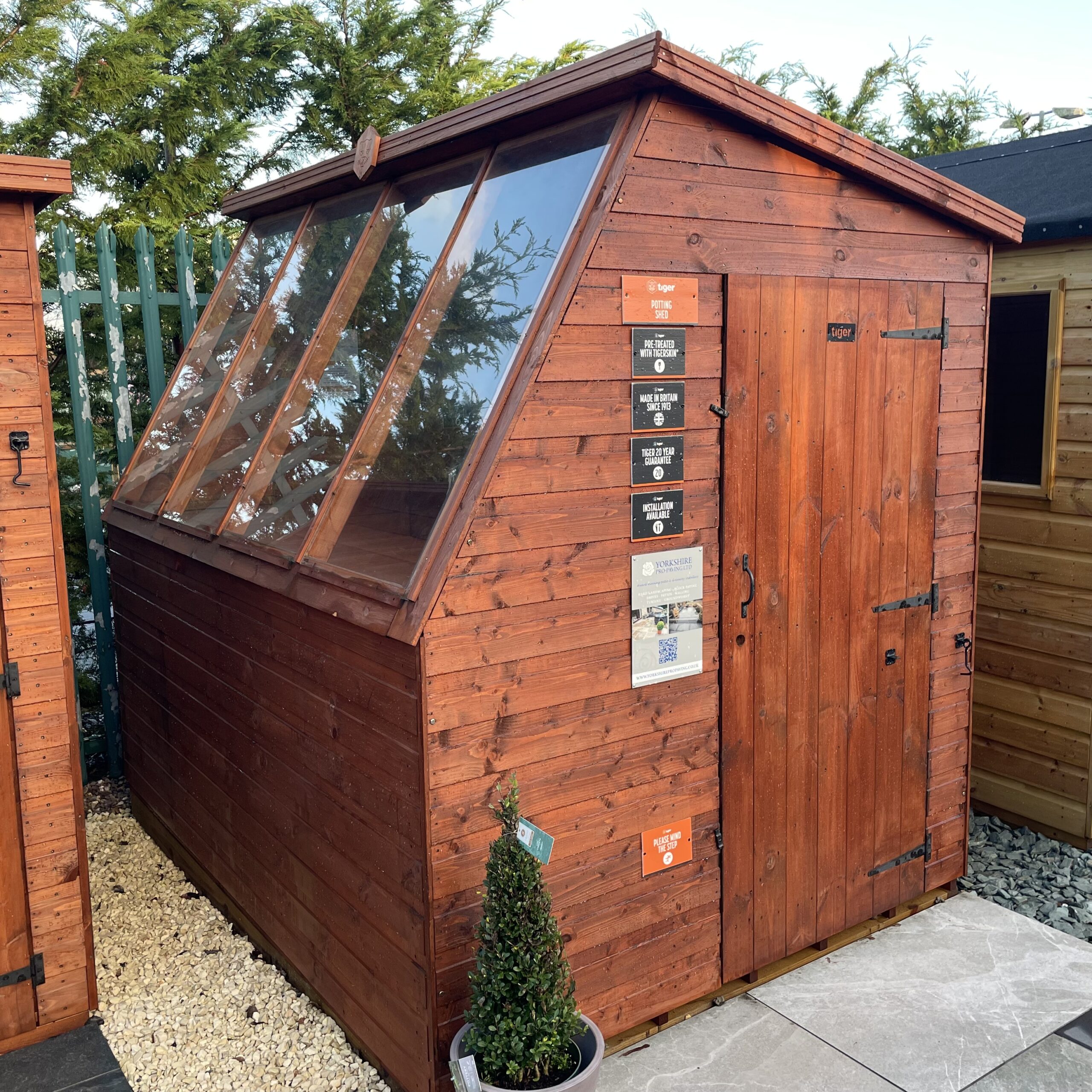
First impressions – tall, elegant, and immediately “quality”
We inspected the Tiger Shiplap Apex Potting Shed in person at both the Tong and Otley show sites, and from the outset it stood out.
The first thing you notice is the height. This is a tall building, even by apex standards, and that immediately gives it a more open, usable feel inside. Combined with the extensive glazing, it doesn’t feel like a dark storage box — it feels like a space you can actually work in.
Visually, it has a smart, clean, almost elegant look. There’s a sophistication to it that not all potting sheds have. Some cheaper examples feel a bit agricultural or flimsy — this one doesn’t. From the moment you walk up to it, it just looks solid and well resolved.
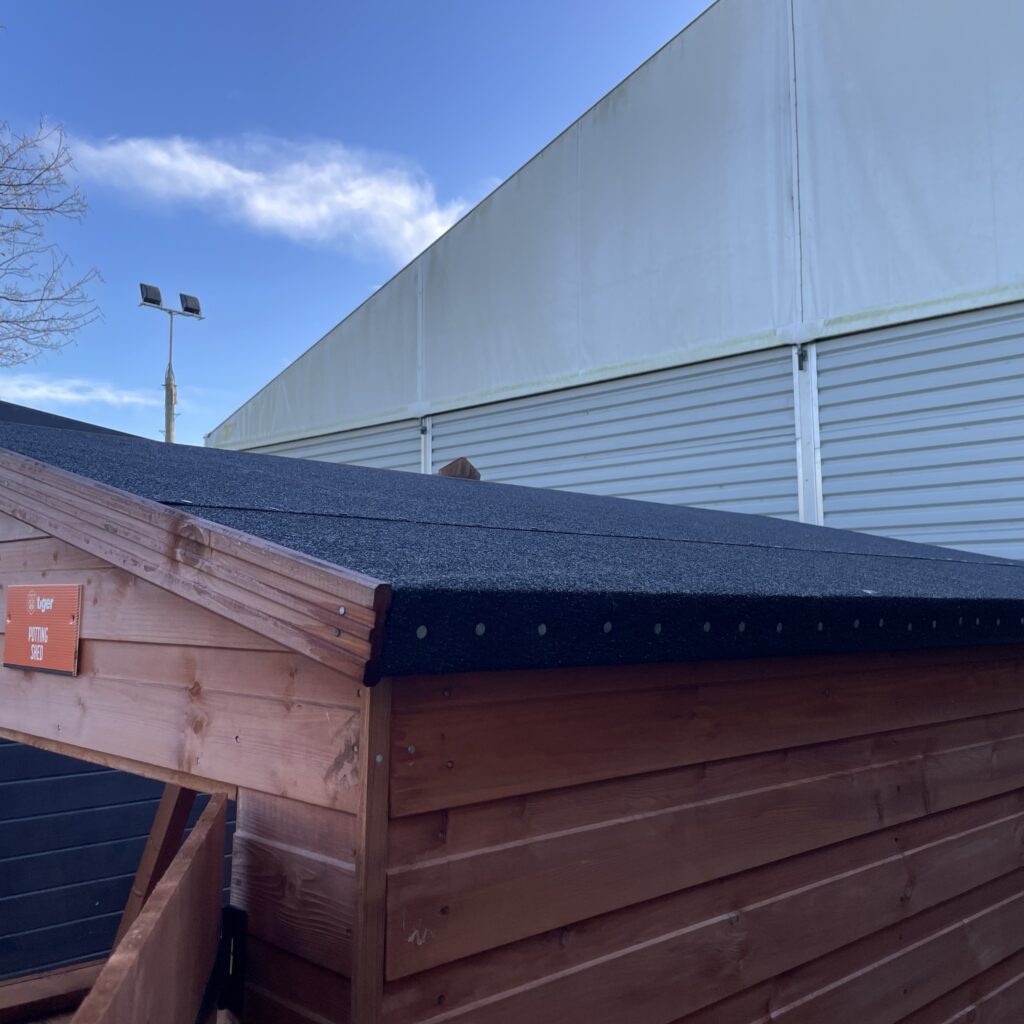
That probably shouldn’t surprise anyone familiar with Tiger Sheds, because they’re very open about the fact they don’t use OSB anywhere in the roof or floor. And that matters more than many people realise.
To put some context around that: in an 8×8 building, switching from tongue-and-groove boards to OSB can easily save a manufacturer £40–£70 in materials. That’s where a lot of “budget” potting sheds quietly cut corners. Tiger haven’t done that here — and you feel it.

External build and layout – classic apex, but thoughtfully executed
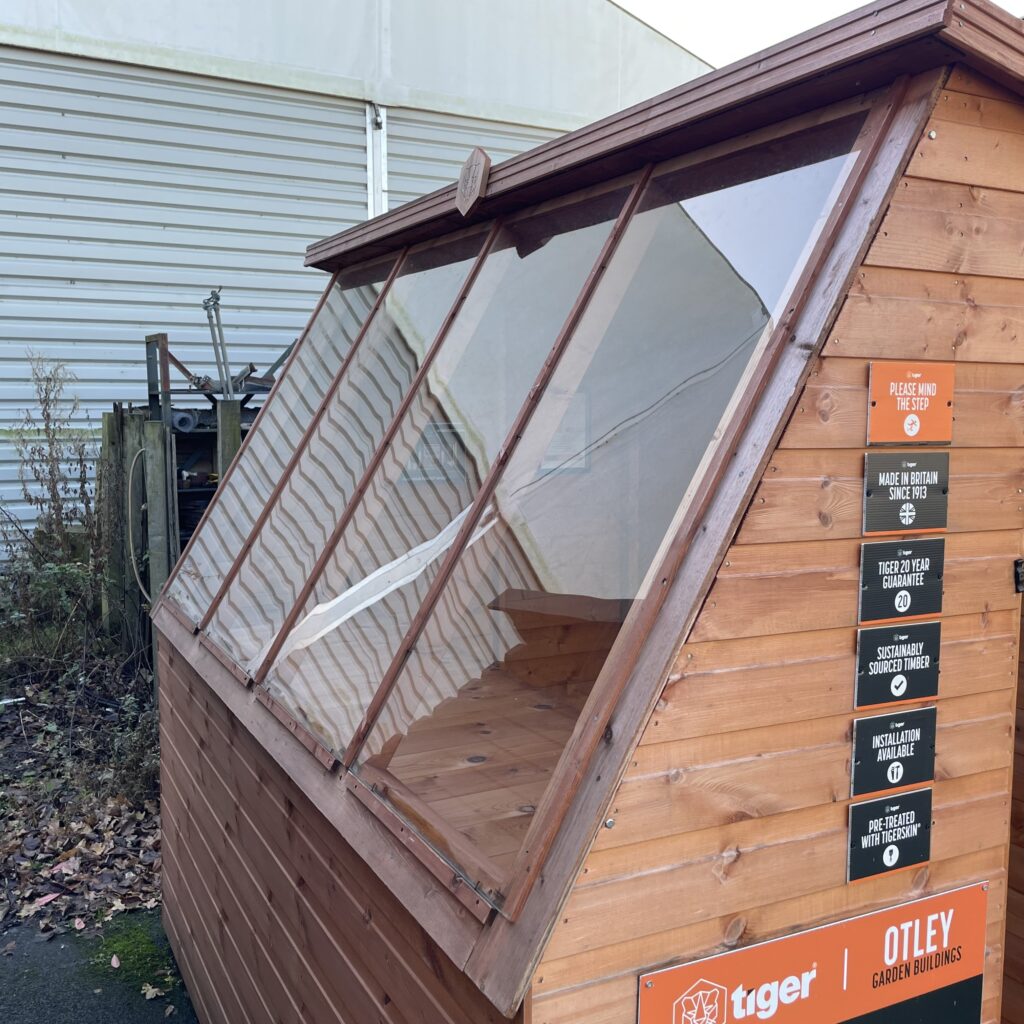
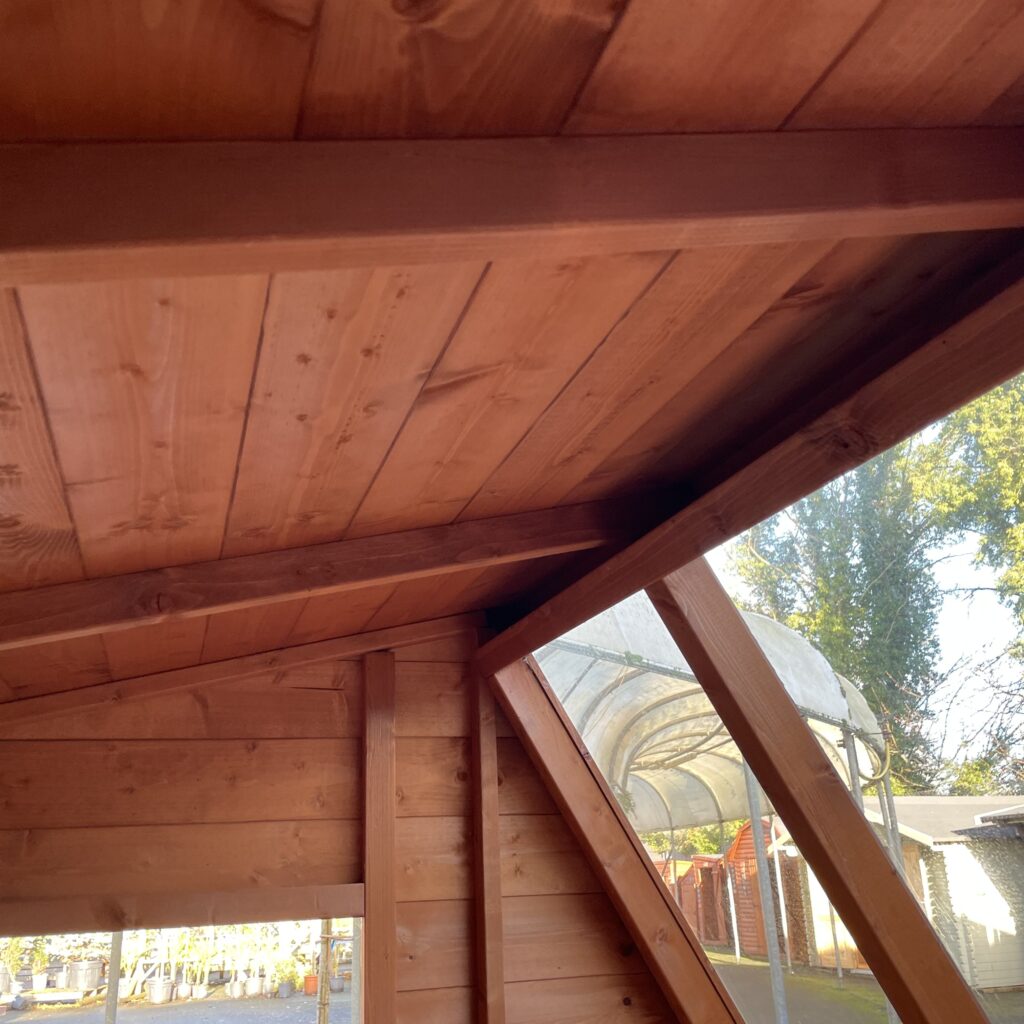
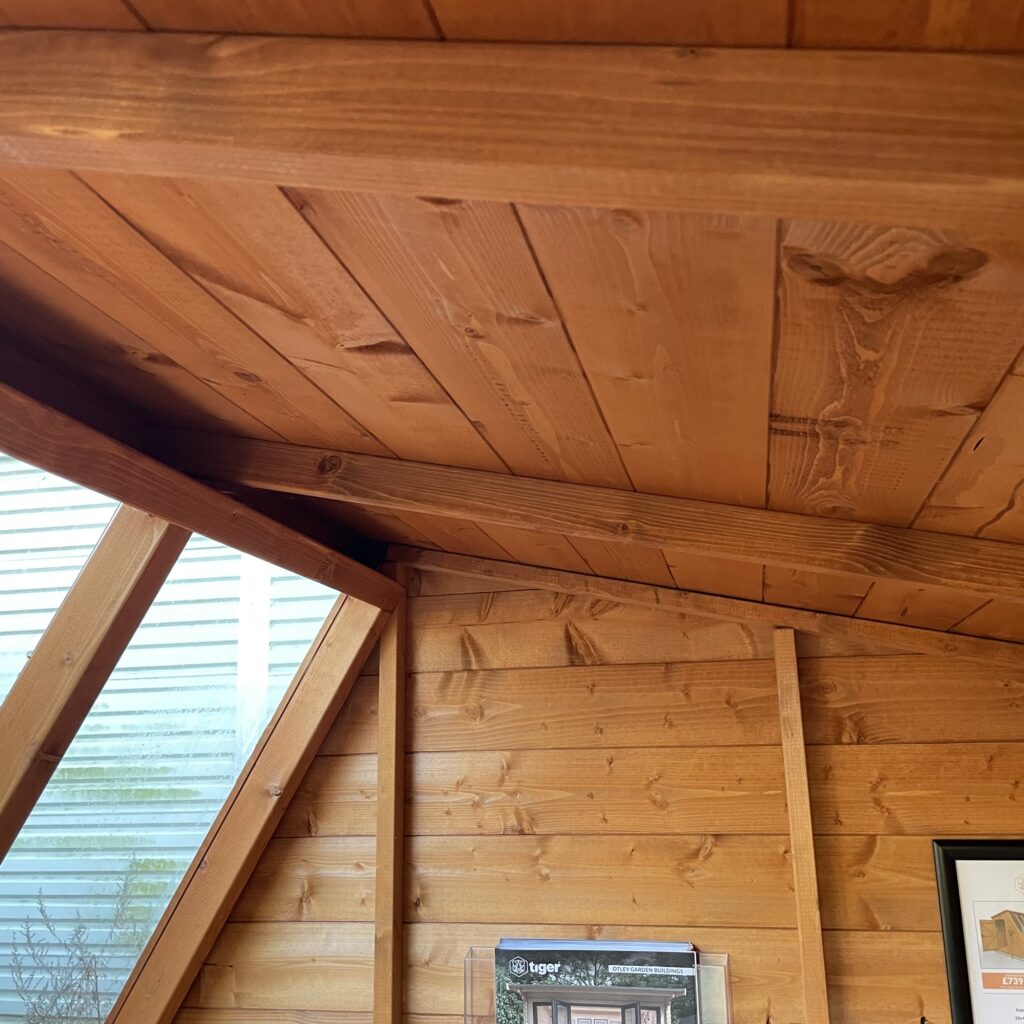
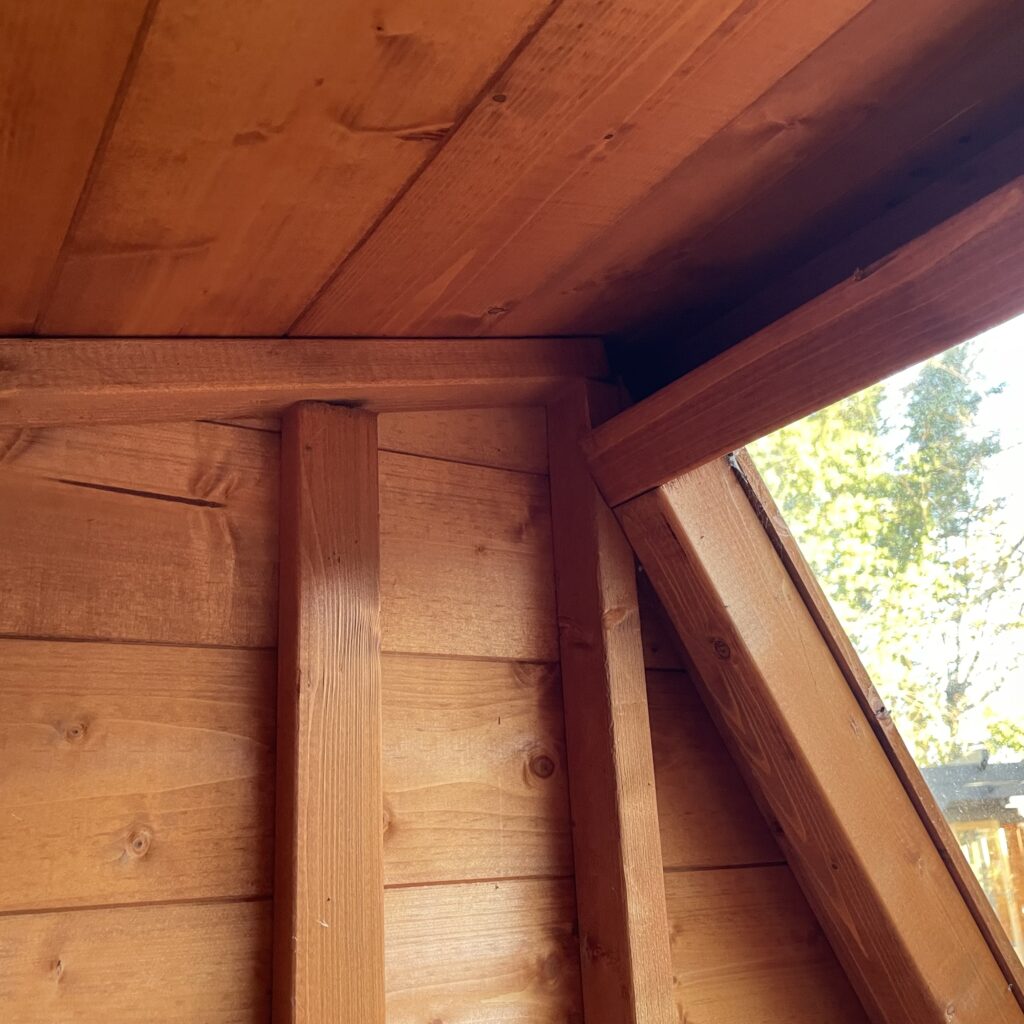
This is a traditional apex potting shed, built using 12mm shiplap tongue-and-groove cladding, supported by 28mm x 44mm rounded framing, with a 12mm tongue-and-groove roof and floor — exactly as confirmed in the technical data sheet .
The proportions are spot on. It doesn’t look squat, and it doesn’t look over-tall. It just looks right.
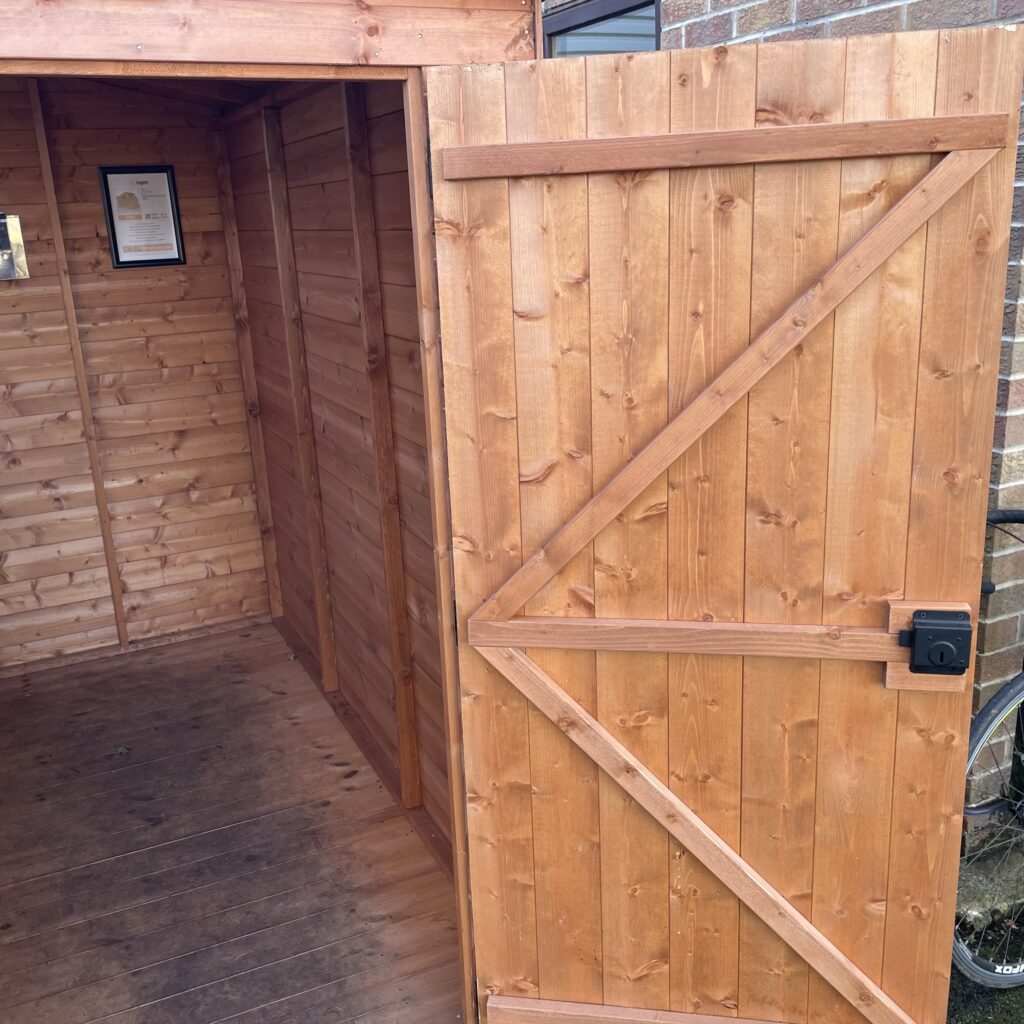
One thing I particularly like is the door flexibility. Tiger allow you to position the door at either end at no extra cost, which sounds minor but actually makes a big difference in real gardens. It means you can orient the shed around access paths, planting areas, or greenhouse layouts without compromise.
The door itself is a fully boarded tongue-and-groove door, properly braced, with a lock and key supplied as standard. It feels tight, rigid, and well framed — not something that’s going to sag or twist over time.


Glazing design – strong overall, but this is where experience matters
This is where the review needs to be honest and detailed, because glazing is the defining feature of a potting shed.
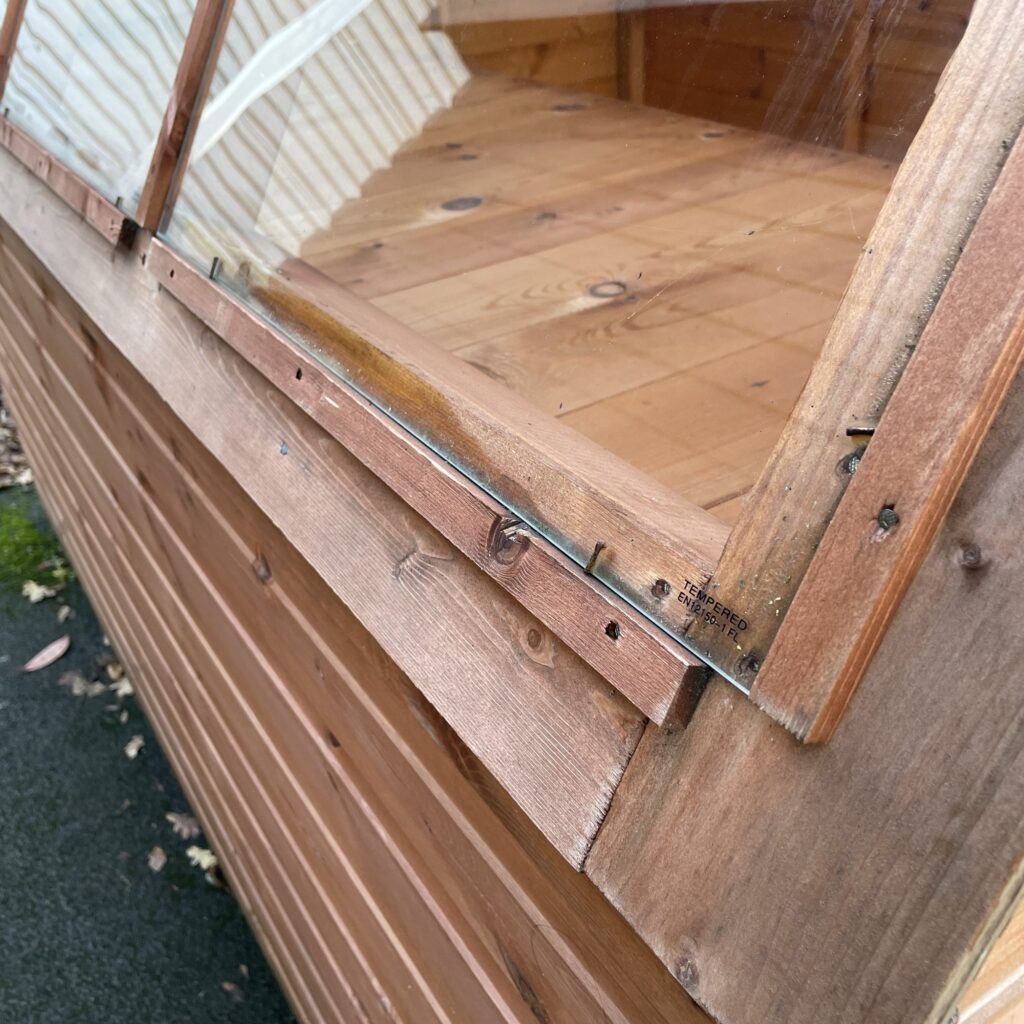
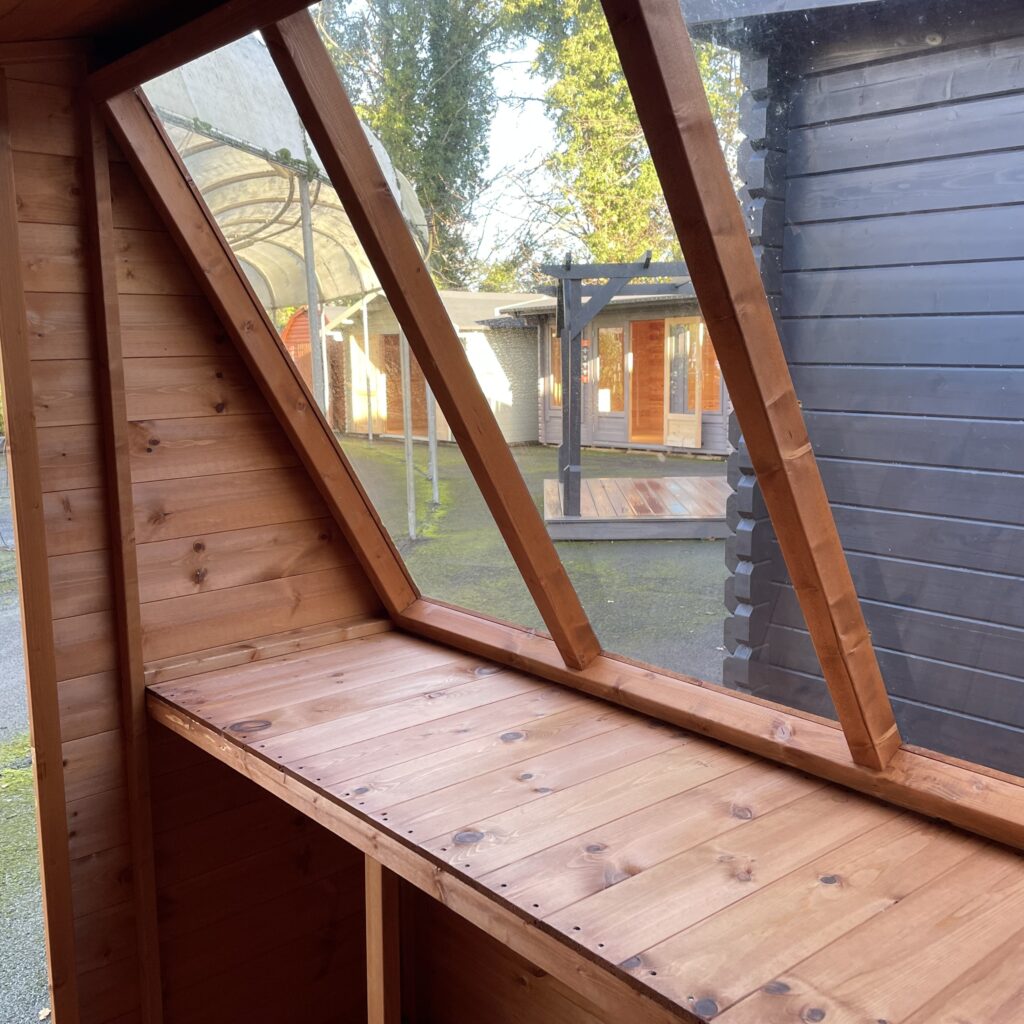
All the windows use 3mm toughened glass, which is exactly what you want. The panes are large — 520mm x 1160mm— and there are a lot of them, which explains why the interior is flooded with light .
Now, here’s where this shed differs from other Tiger buildings.
On most Tiger sheds, glazing is installed from the inside, sealed with silicone, and pinned in place. On this potting shed, because of the angled glass design, the windows are seated into external wooden beading, then nailed from the outside.
Structurally, this makes sense. The glass is heavy, and spreading that load outward avoids stressing the internal cladding.
However — and this is important — it does introduce a long-term maintenance consideration.
When we inspected this shed the day after a storm, we noticed slight dampness where moisture had worked into the bottom beading. Not a leak. Not ingress inside the shed — but moisture sitting in the timber itself.
Over a 20-year lifespan, that’s the area I’d keep my eye on.
My strong advice here is simple:
- When installing this shed, seal the glazing properly — inside and out.
- Use a good-quality silicone or mastic behind the glass before fixing it.
- Pay extra attention to treating the bottom window beading, because water will naturally rest there.
- If you’re upgrading to heavy-duty framing or loglap, it’s worth being even more diligent here.
This isn’t a design flaw — it’s just the reality of potting shed glazing. The key difference is knowing where to pay attention, and Tiger give you a solid enough base to do that.
From a security perspective, it’s also fair to say that externally nailed glazing is not the most secure setup in the world — but that’s true of almost all traditional potting sheds. These aren’t buildings people buy to store valuables. They’re working spaces.


Inside the shed – dry, fresh, and immediately reassuring
Stepping inside was a pleasant surprise.
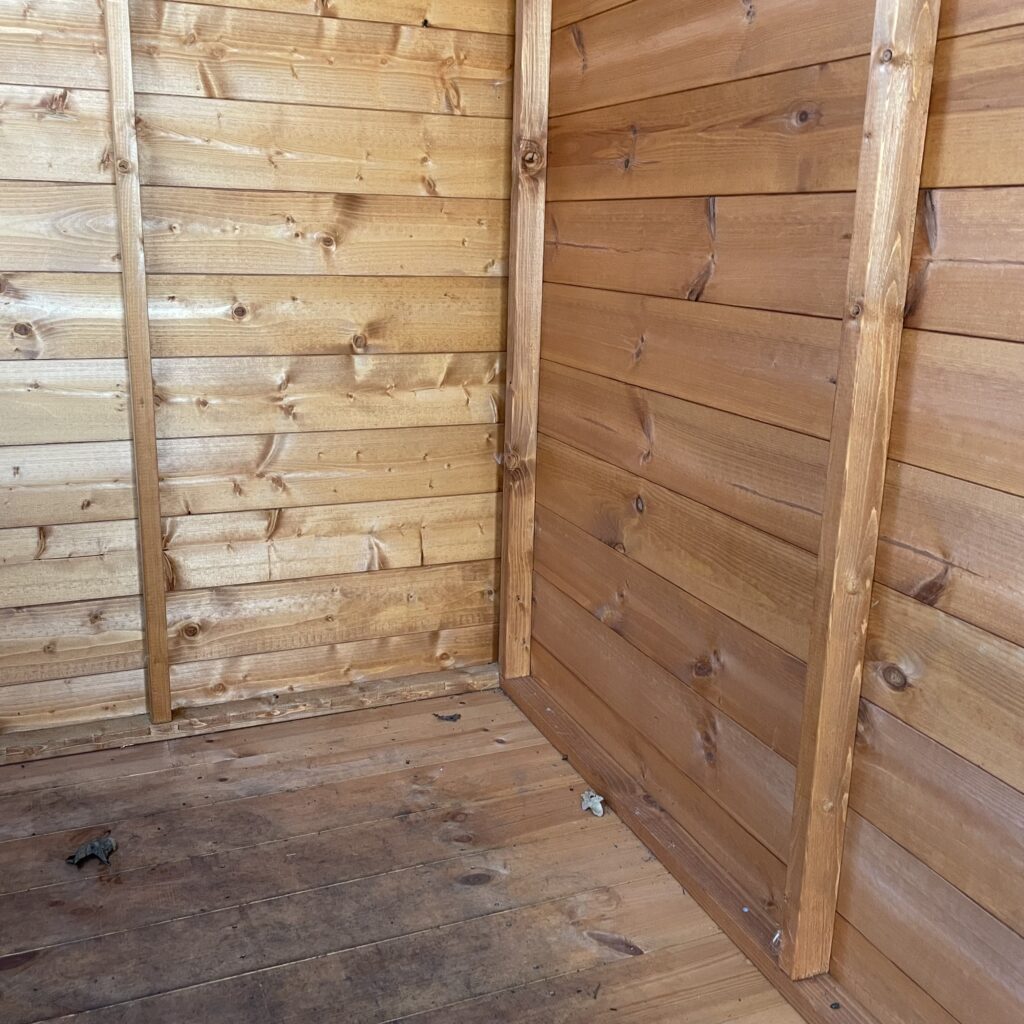
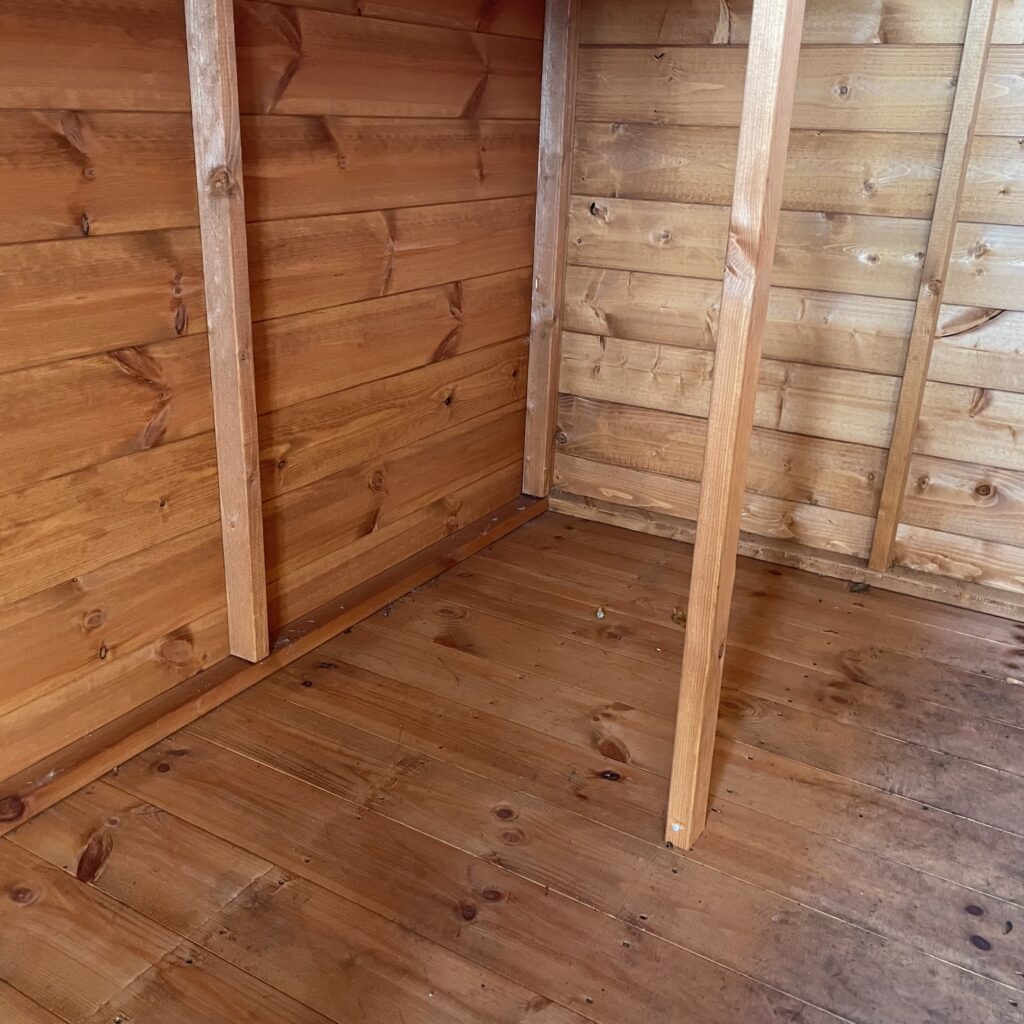
Despite the weather, the interior felt dry and fresh, with that crisp timber smell you only get when a building is properly sealed and ventilated. There was no damp air, no mustiness, and no sign of water tracking in around joints or glazing.
This is exactly what you want to experience in a potting shed, because these are often placed in damp garden zones — near borders, compost, greenhouses, and shaded areas.
The framing inside is smoothly planed and closely spaced, which gives the entire structure a stitched-together feel. Nothing feels flimsy. Nothing feels like it’s relying on the glass for strength.
Structural tests – numbers that back up the feel
As with all our reviews, we didn’t just rely on feel.
We carried out our standard 75kg load tests, using a laser rangefinder to measure deflection:
- Floor test: 75kg placed centrally → ~2mm deflection
- Rear wall test: 75kg applied → ~4mm deflection
Those are excellent results for a building with this much glazing.
It tells you two important things:
- The floor structure is genuinely robust, not just “good enough”.
- The wall bracing is doing its job, even with large sections removed for windows.
This shed is stitched together properly. You can feel it when you walk inside, and the numbers back it up.
The potting bench – properly made, not an afterthought
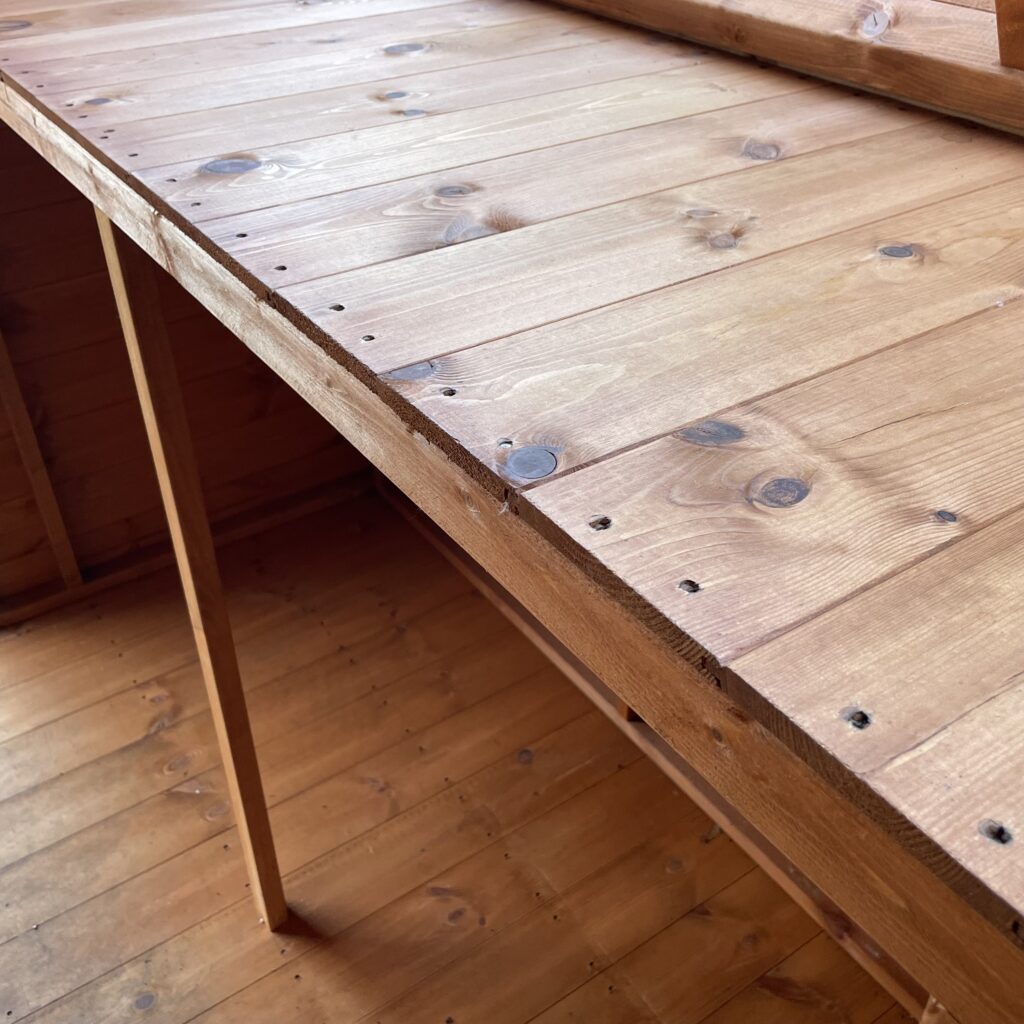
One of the standout features here is the potting bench, and I was very pleased to see how Tiger have done this.
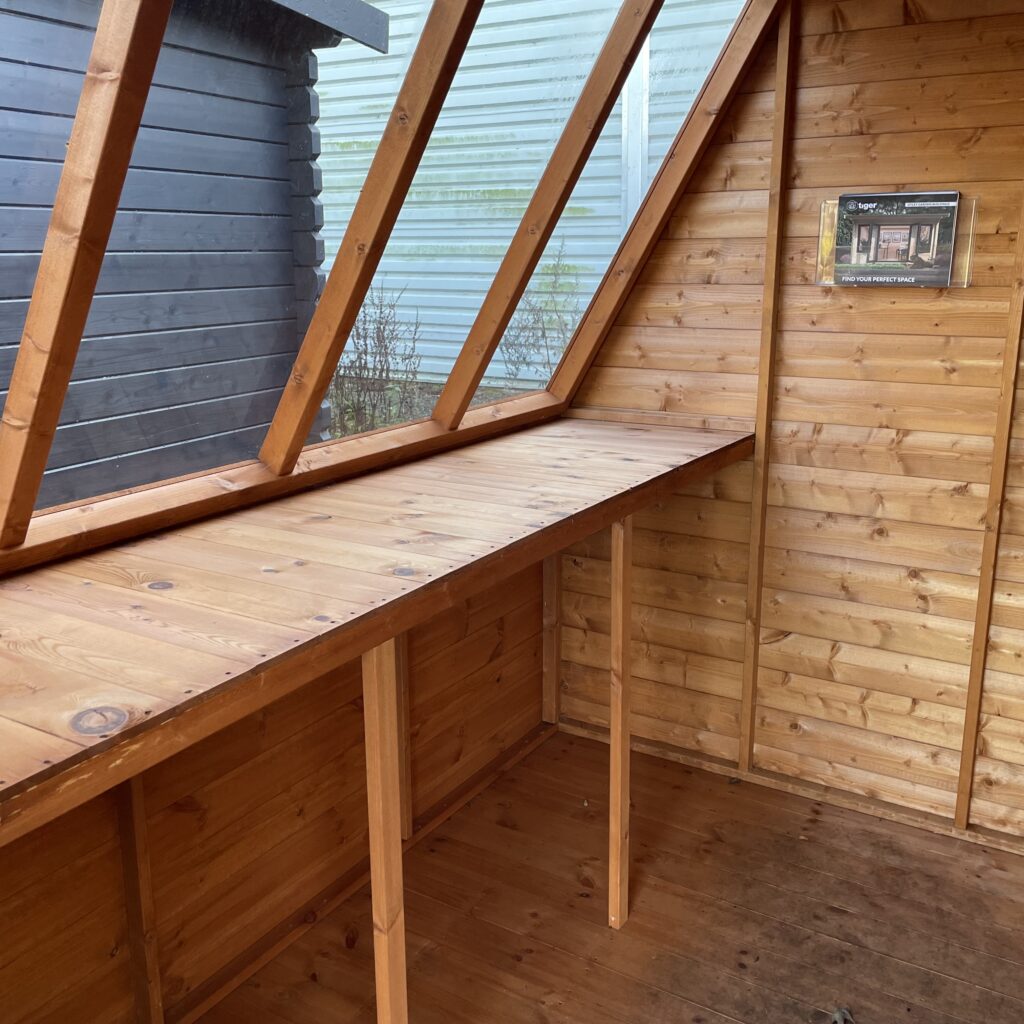
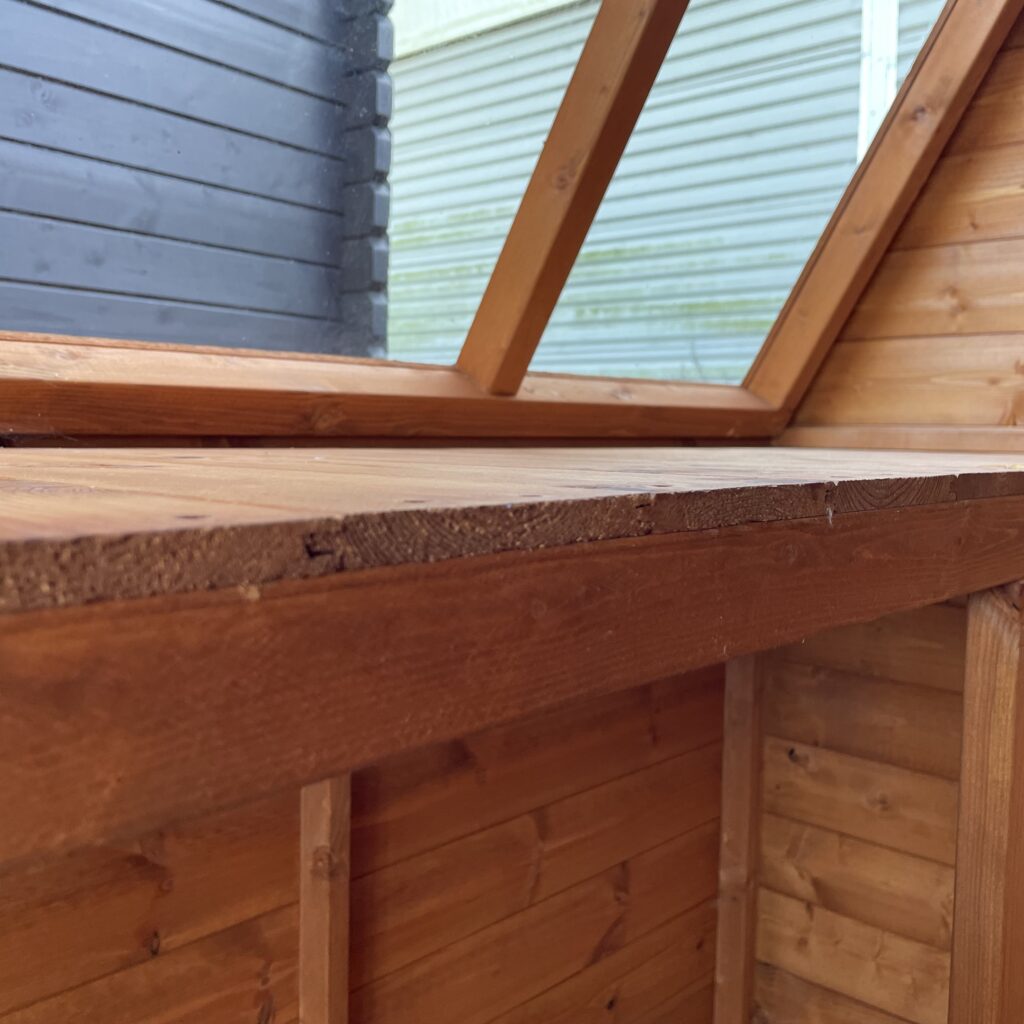
Unlike some cheaper potting sheds that use latticed or slatted benches to save money, this bench is made from 12mm tongue-and-groove boards — the same thickness used on the roof and floor.
We even photographed the underside, and the finish is just as smooth there as it is elsewhere.
This is a bench you can actually work on. It’s solid, it doesn’t flex, and it’s not going to become annoying over time. For long-term use, that matters.

Upgrade options – sensible, but know where to focus
Tiger offer two key upgrades here:
- Heavy-duty framing, which effectively doubles the frame thickness
- Loglap cladding, which adds mass, rigidity, and a more premium finish
Both are worthwhile upgrades — especially if you’re in an exposed location or want maximum longevity.
My only caveat is this:
if you’re upgrading the structure, also upgrade your attention to glazing protection and timber treatment, particularly around the lower window beading.
Do that, and you’ll have a potting shed that’s genuinely built for decades.
Final thoughts – a potting shed done properly, with eyes open
Overall, the Tiger Shiplap Apex Potting Shed is a very, very good building.
It’s tall, bright, solid, and genuinely usable. The materials are right where they matter: 12mm tongue-and-groove throughout, proper framing, toughened glass, and no OSB shortcuts.
The potting bench is excellent. The internal feel is dry and reassuring. The structural performance is backed up by real measurements, not marketing claims.
The only area that deserves extra thought is the external glazing beading, simply because water will always find the lowest resting point over time. But that’s not a deal-breaker — it’s a maintenance reality that’s easy to manage if you know about it upfront.
If you want a traditional apex potting shed that feels well engineered rather than flimsy, and you’re prepared to install and maintain it properly, this is one of the strongest options on the market.
And importantly — it feels like a Tiger Shed. Solid, honest, and built with the expectation that someone will actually use it.