EXPERT REVIEWED
  FREE DELIVERY
  INSTALATION AVAILABLE
 Tiger Shiplap Extra High Pent – Expert Review
First Added - November 28 2025
Last Updated - November 28 2025 - 0 Data Points Updated - 0 Data Points Added
Reviewed & curated by a panel of garden building experts. Using methodology 1.1
Product ID: tiger-sheds-tiger-shiplap-extra-high-pent
Size: Multiple sizes available
Merchants Checked: 10
A well-made pent shed with added headroom — but one that raises an important comparison within Tiger’s own range
Tiger Sheds offers one of the broadest pent shed line-ups on the UK market, and that breadth is both a strength and, at times, a source of confusion. At the time of writing, Tiger produces nine different pent garden sheds, which broadly fall into three families: the TigerFlex range, the standard shiplap sheds, and the Elite pressure treated models.
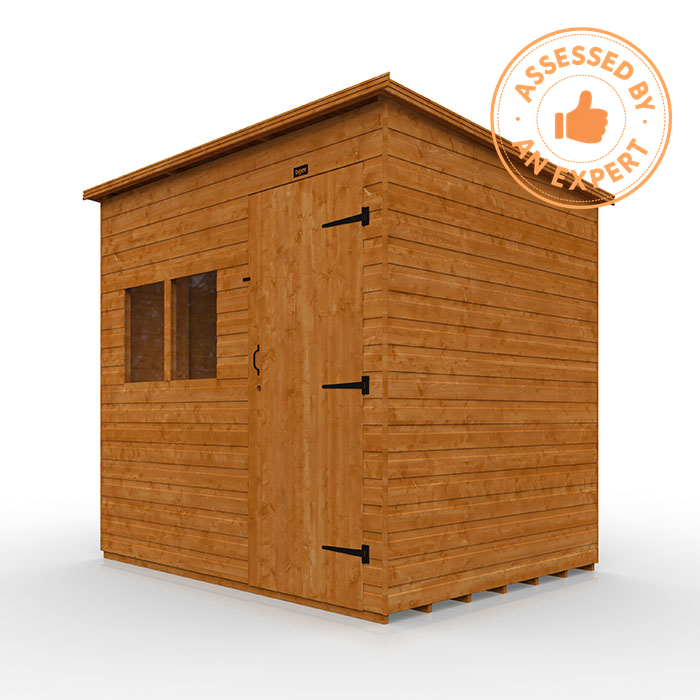
The Tiger Shiplap Extra High Pent Shed sits firmly within the standard shiplap range. That positioning matters, because it tells you immediately what this shed is — and what it isn’t. This is not an Elite model, and it is not pressure treated. Instead, it takes Tiger’s familiar 12mm tongue & groove shiplap construction and increases the overall height.
Before going any further, it’s important to be very clear about how this review is informed.
Inspection context: what we have — and haven’t — physically inspected
We have not physically inspected the Tiger Shiplap Extra High Pent Shed itself.
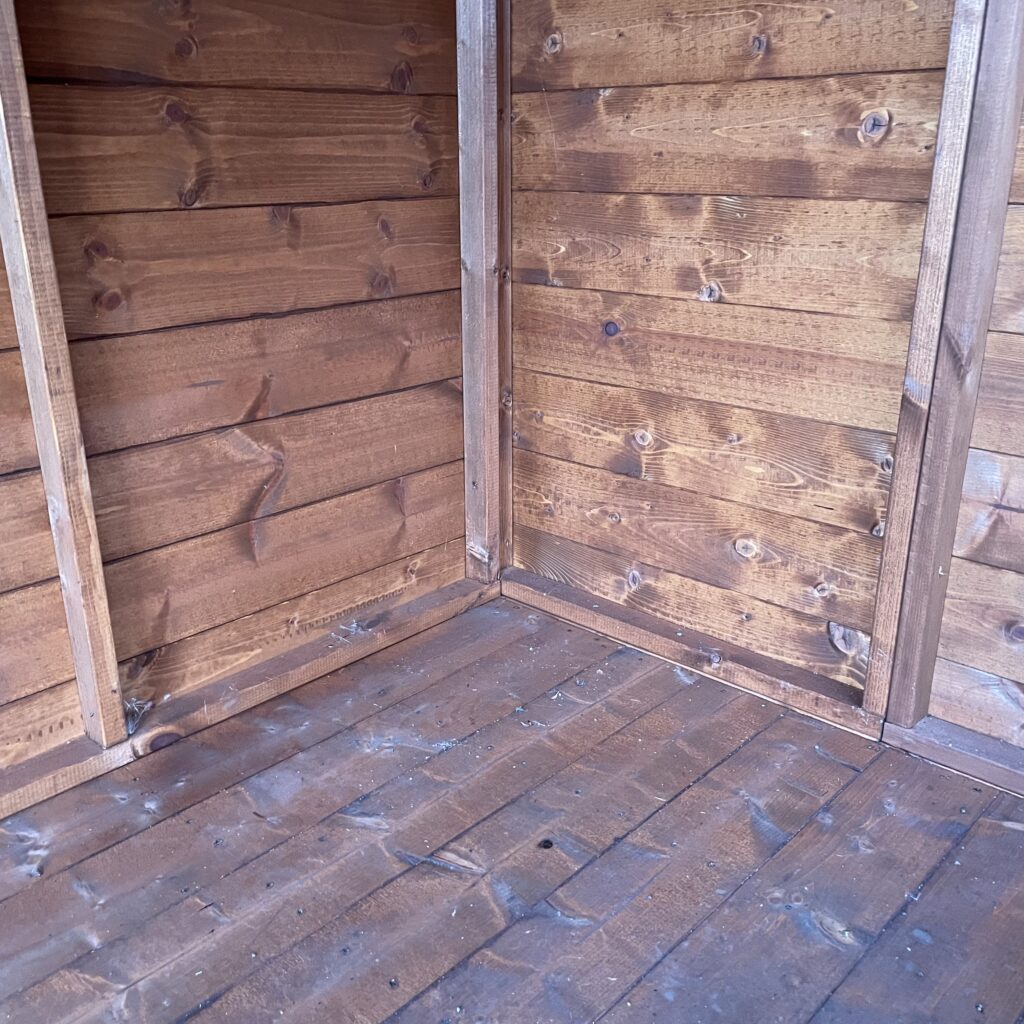
What we have done, however, is carry out a very in-depth inspection of the standard Tiger Shiplap Pent Shed at the Otley show site. That inspection covered construction quality, floor strength, wall rigidity, roof structure, and overall build consistency.
The relevance here is that the Extra High Pent uses the same materials, cladding, flooring, roof boards, and framing system as the standard shiplap pent. The only material difference is height.
Where this review discusses strength, rigidity, or build quality, those observations are therefore derived from direct inspection of the standard model, not from physical testing of the Extra High version. That distinction is important, and we’ll maintain it throughout.
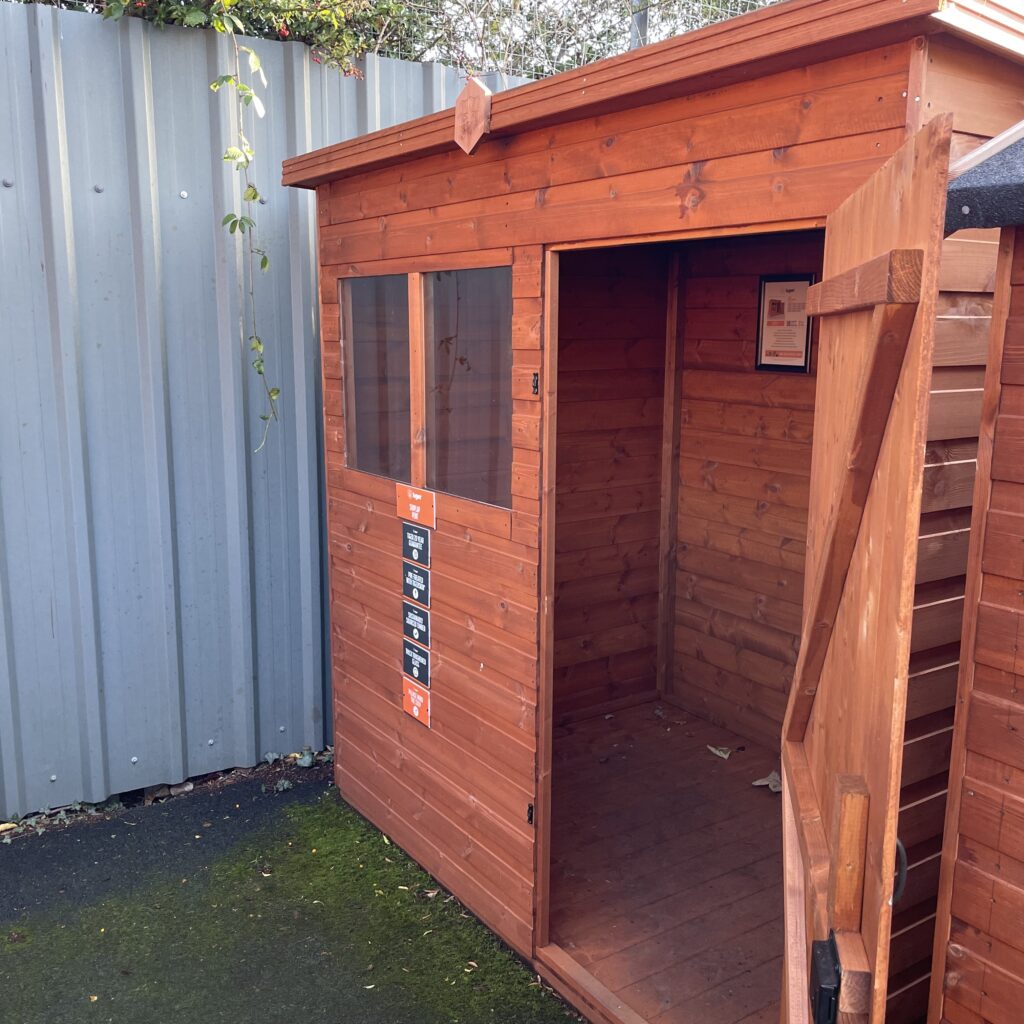
Where the Extra High Pent fits in Tiger’s shiplap range
Within Tiger’s standard shiplap sheds, the Extra High Pent is best understood as a dimensional variation, not a different class of building.
It uses:
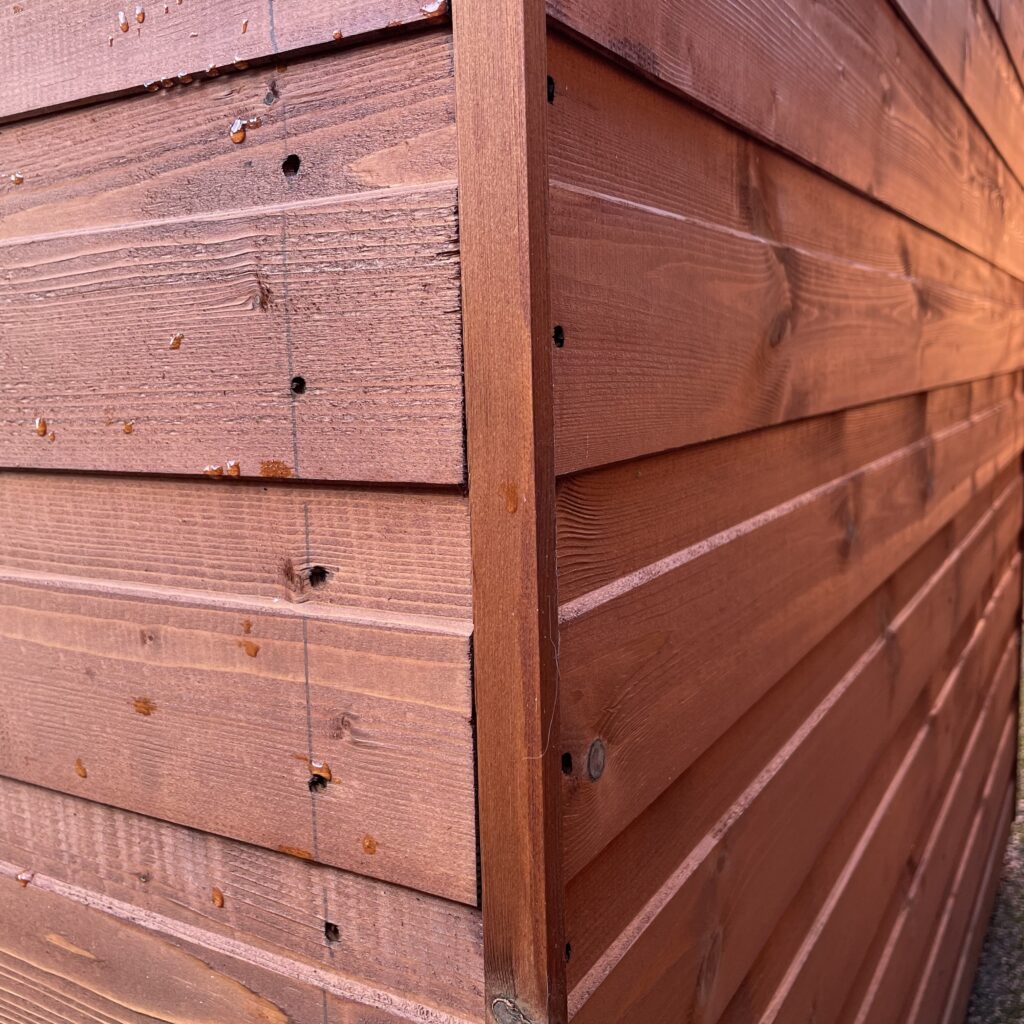
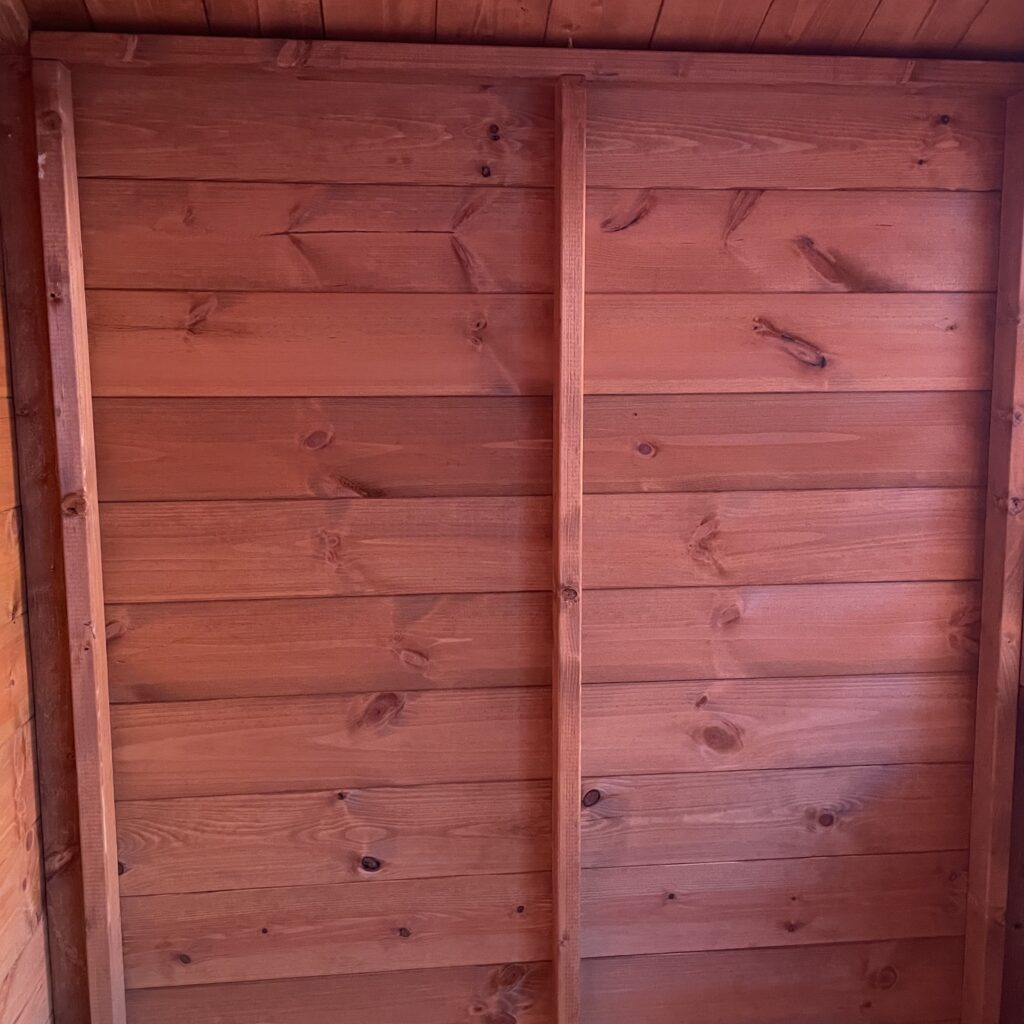
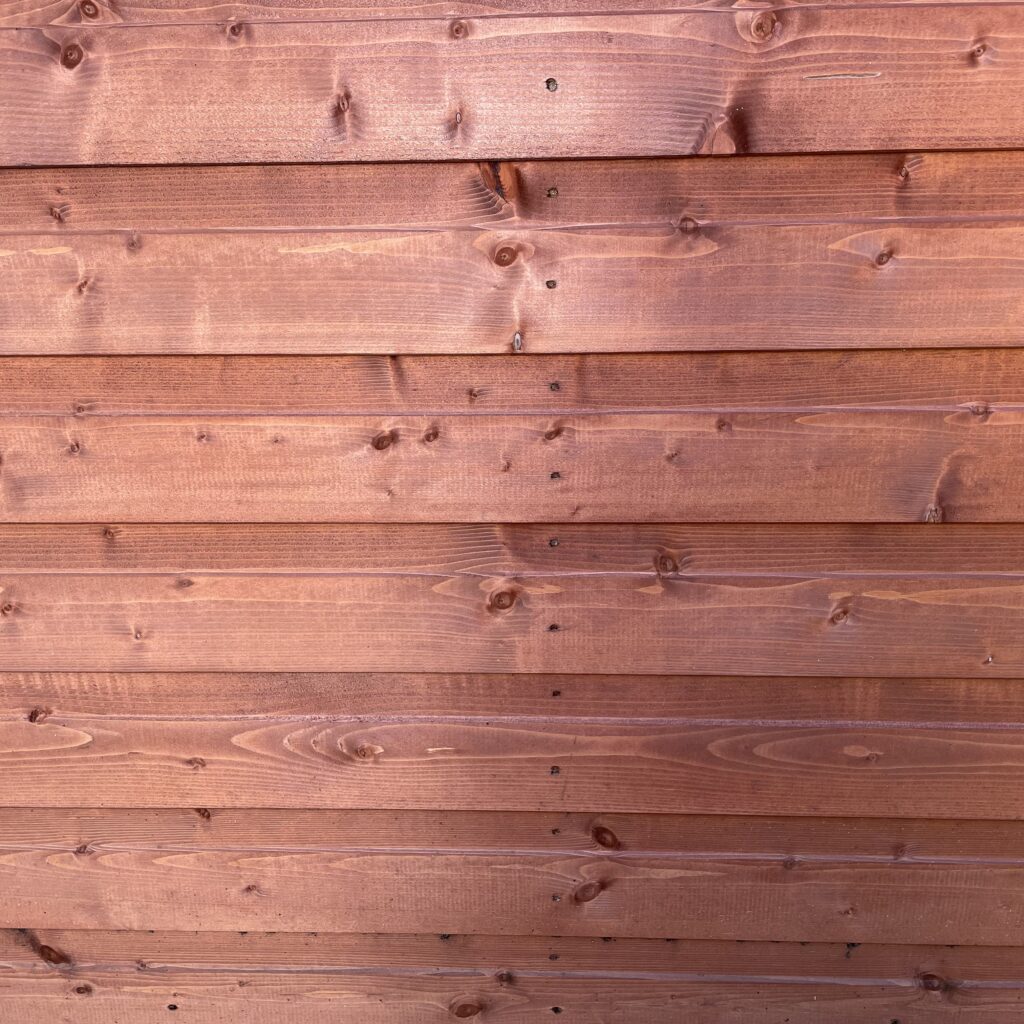
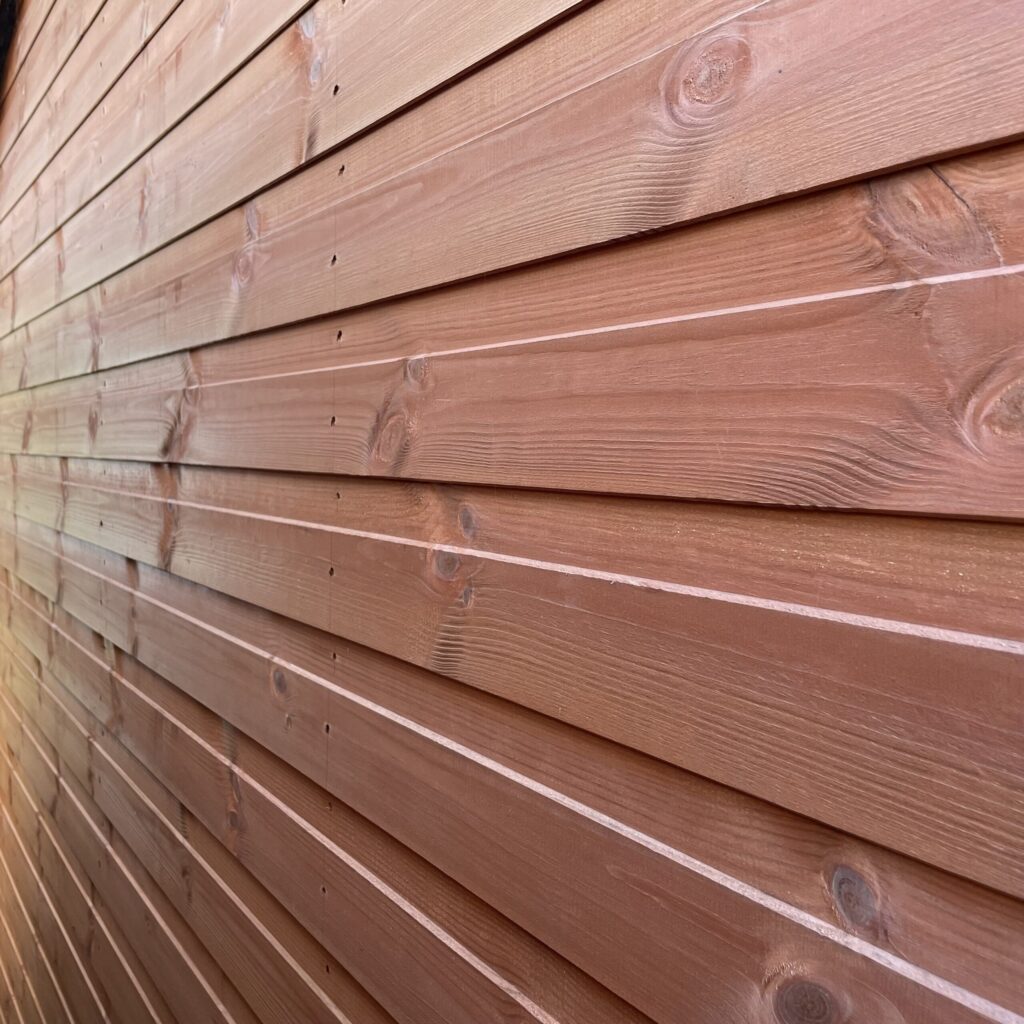
- 12mm tongue & groove shiplap cladding
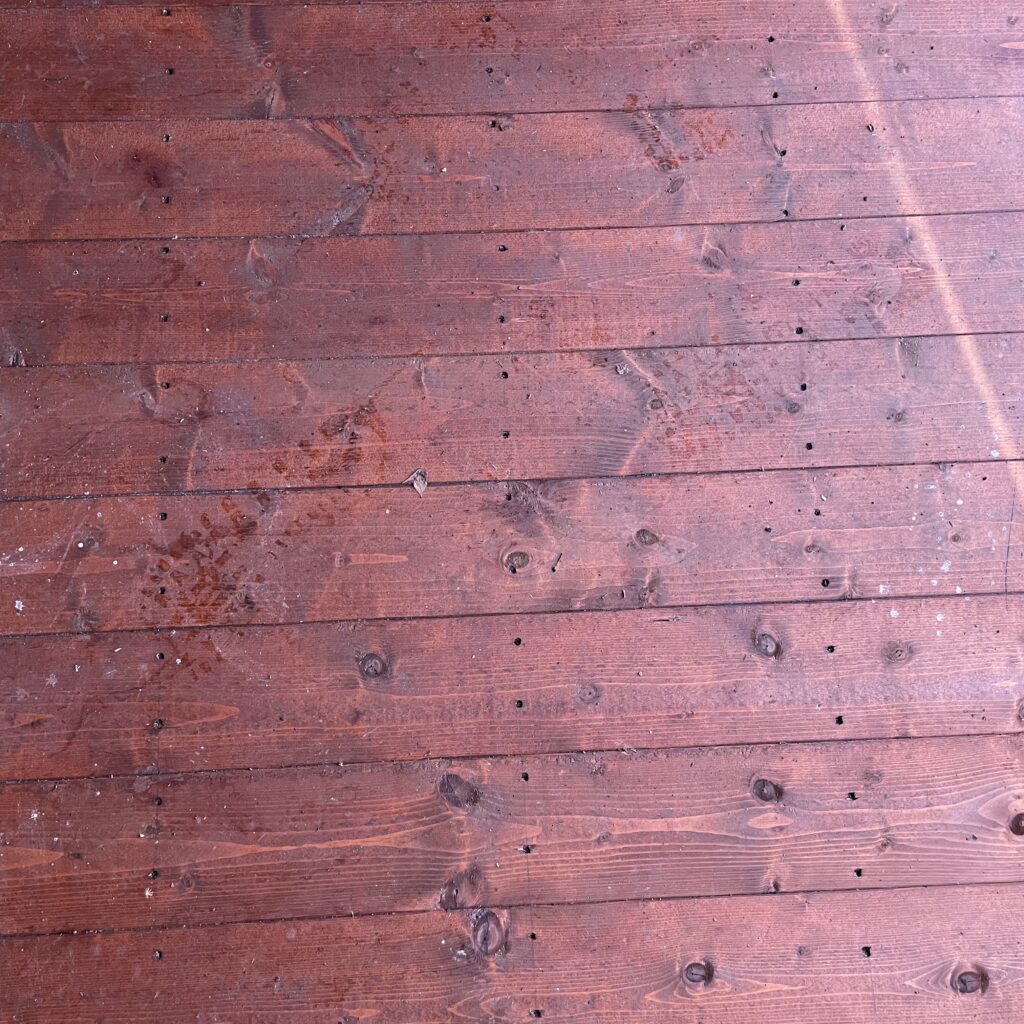
- 12mm tongue & groove flooring
- 12mm tongue & groove roof boards
These are materials we’ve inspected repeatedly over the years. In 2025 alone, we reviewed over 40 Tiger sheds built using this same shiplap construction, and across those inspections we saw very few issues, all of them minor and non-structural — things like filler used in knots rather than any weakness in the timber itself.
That long-term consistency is one of the reasons Tiger’s standard shiplap sheds remain a safe choice.
Height: the defining feature of this model
The reason this shed exists is height, so it’s worth going through the numbers carefully.
On the standard Tiger Shiplap Pent Shed, the approximate dimensions are:
- External ridge height: ~2400mm
- Internal ridge height: ~1929mm
That gives around 6ft 4in of internal headroom at the highest point. During inspections, at 6ft tall, I was always comfortable inside and never felt restricted.
The Tiger Shiplap Extra High Pent Shed increases that height to:
- External ridge height: ~2173mm
- Internal ridge height: ~2061mm
That equates to approximately 6ft 9in of internal headroom, making it 132mm taller internally than the standard shiplap pent. That’s a meaningful increase, and the doors are taller as well.
For taller users, or for those who simply prefer more vertical space, that extra headroom will be noticeable in day-to-day use.
Construction quality: inferred, but confidently so
Because the Extra High Pent uses identical construction to the standard shiplap pent, we can speak with confidence about build quality — while remaining clear about what has been physically tested.
Flooring
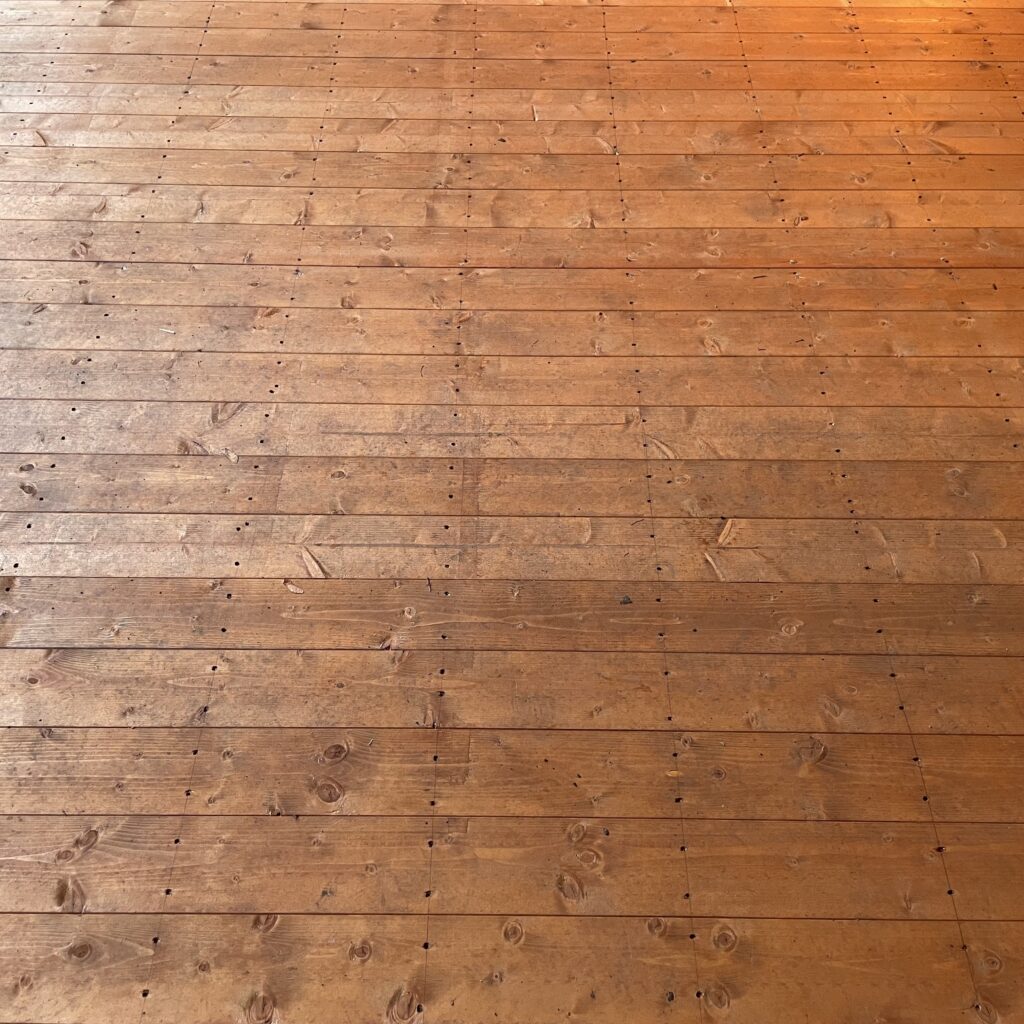
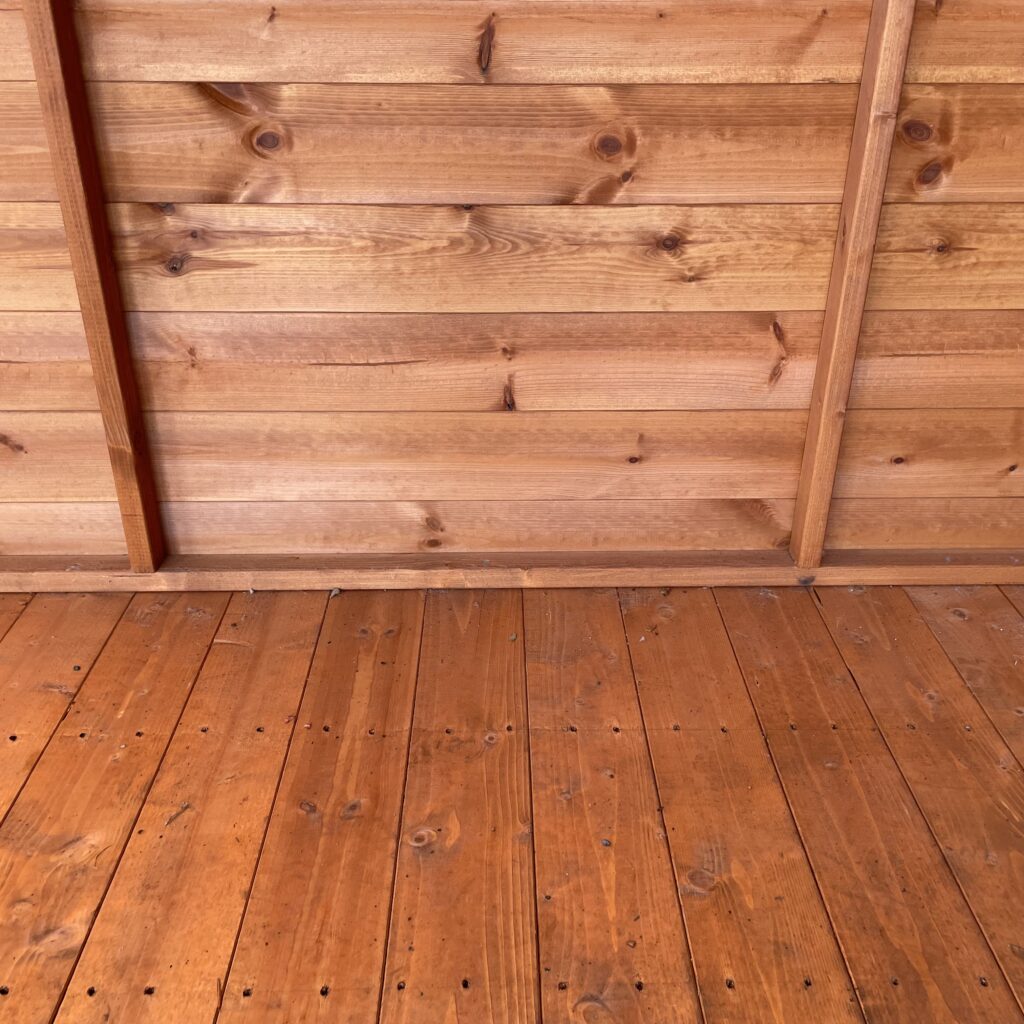
During testing on the standard shiplap pent, a 75kg load produced just 2mm of deflection when measured with a laser. Underfoot, the floor felt taut, echoey, and crisp — the kind of firmness that tells you the boards are properly supported and well fixed. There was no movement, no flex, and no sense of weakness.
There is nothing in the Extra High specification that would suggest different floor performance.
Walls
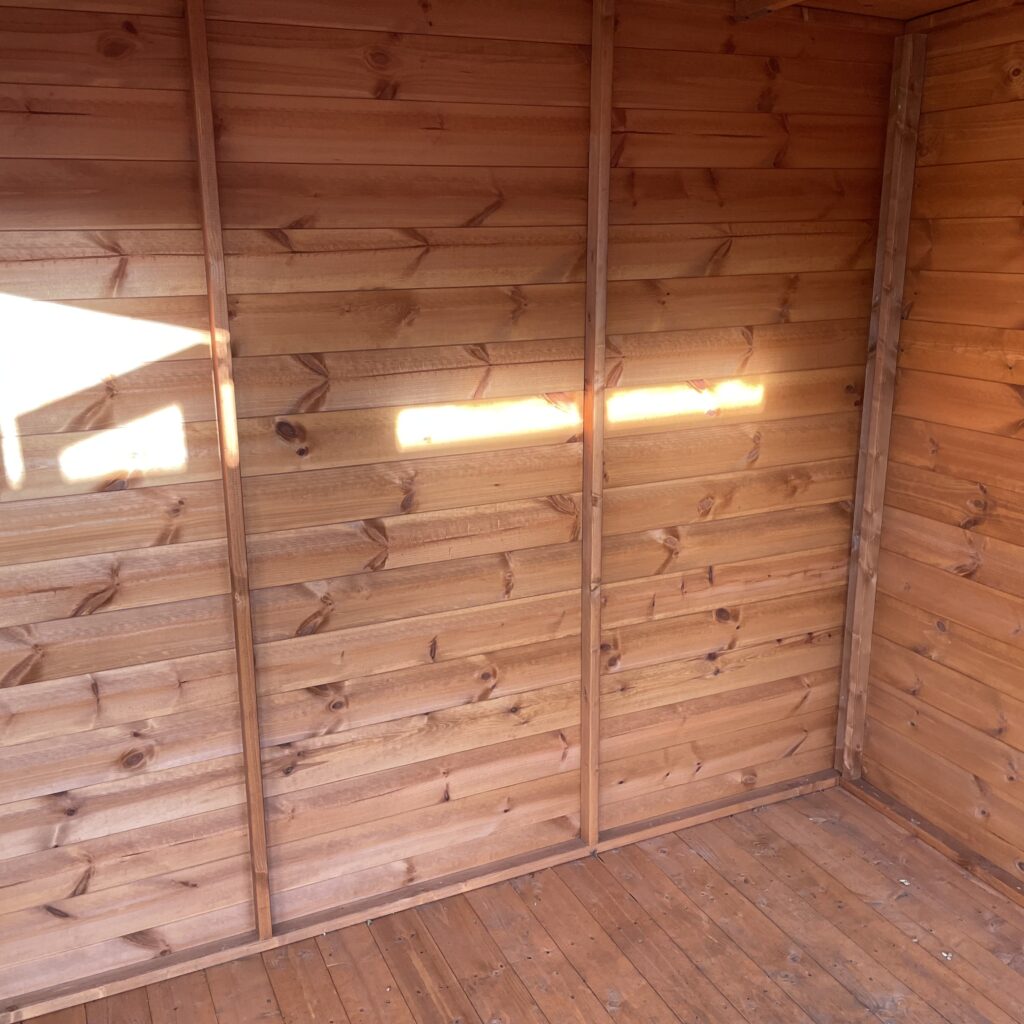
Wall rigidity testing on the standard model involved applying a 75kg load to the side wall, which resulted in just 3–4mm of deflection. Again, this is exactly what you want to see from a well-framed 12mm tongue & groove structure.
It’s also worth noting that the standard model we tested had more window space than the Extra High Pent. Windows do not contribute to structural strength, so if anything, the Extra High version — with less glazing — would be expected to be at least as rigid.
Roof structure and long-term confidence
The roof is another area where Tiger’s pent sheds generally perform well.
Pent sheds can sometimes suffer structurally if roof loads are not properly distributed. Because the roof slopes in one direction, it’s possible for long-term issues to develop if bracing is inadequate.
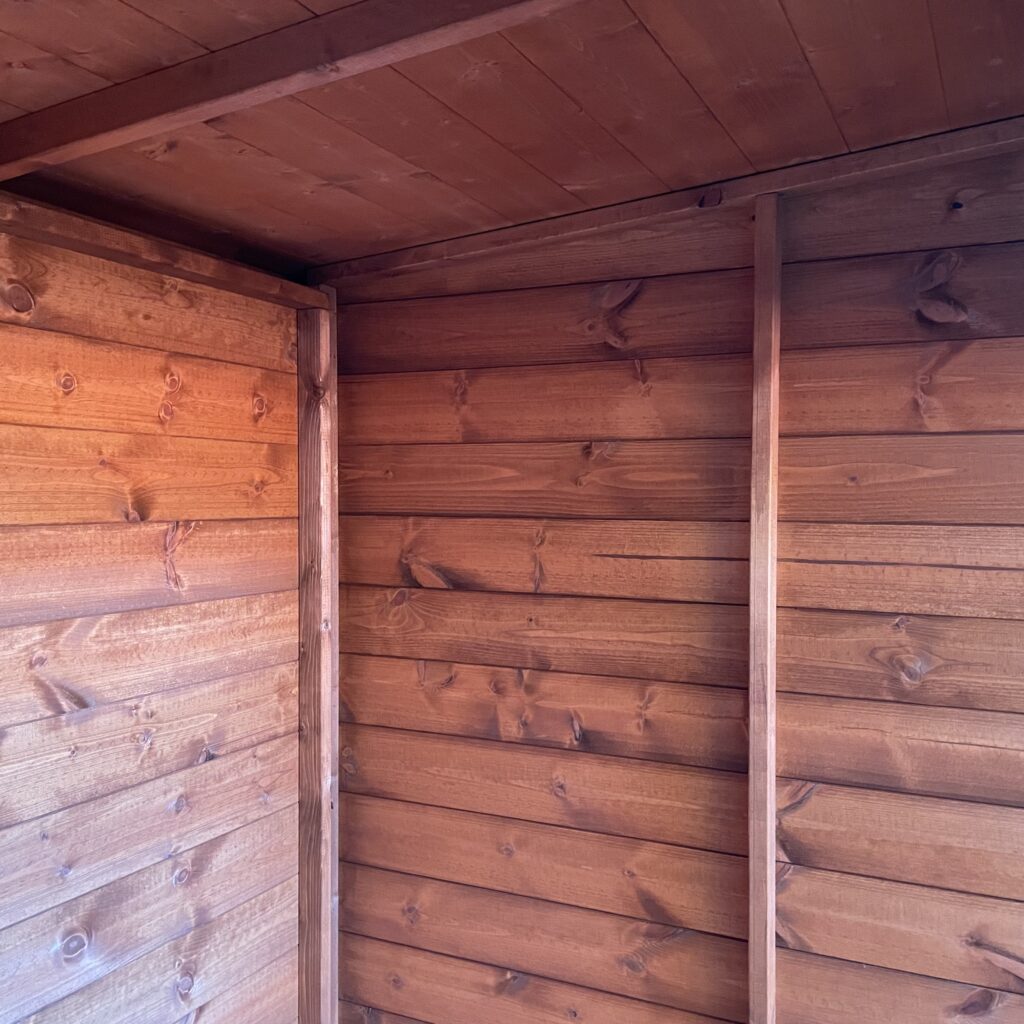
That is not something we observed on the standard shiplap pent. The 12mm tongue & groove roof boards were well supported, and the overall structure felt properly resolved. There was no indication of uneven loading or weak points.
Based on identical construction, there is no reason to expect different behaviour from the Extra High version.
Light, access, and practical use
The Extra High Pent lets in a reasonable amount of natural light, but it’s not a standout in this regard. For general storage and light working, it’s perfectly adequate, but there are better options within Tiger’s range if your primary goal is to create a workshop environment.
Access is also worth considering. This is not a shed designed for moving large or awkward items regularly. You’re not going to be comfortably storing motorbikes here, for example — that’s where double-door models make far more sense.
This shed works best for:
- Storage
- Occasional working
- Users who value height over wide access
Framing upgrades — and where the logic shifts
Tiger offers the option to upgrade to heavy-duty framing, which is worth considering if you plan to add shelving or wall-mounted equipment.
However, this is where an important comparison comes into play — and it’s one that isn’t immediately obvious from the brochure.
The curveball: the Elite Pressure Treated Pent is actually taller
Despite the name, the Shiplap Extra High Pent is not the tallest pent shed Tiger makes.
That distinction belongs to the Tiger Elite Pressure Treated Pent Shed.
The Elite model has:
- External ridge height of around 2287mm
- Internal ridge height of around 2100mm, or 6ft 11in
That makes it:
- Roughly 249mm taller than the standard shiplap pent
- Around 2 inches taller than the Extra High Pent
The brochure doesn’t make this immediately obvious, and it’s an easy assumption to make that “Extra High” means “tallest”. In this case, it doesn’t.
Why this comparison matters in practice
If you’re looking at the Extra High Pent purely for a bit more headroom, it does exactly what it says. But if you’re also considering upgrading the framing, it’s worth stepping back and looking at the bigger picture.
The Elite Pressure Treated Pent offers:
- Thicker cladding (around 16mm)
- Much thicker flooring
- Thicker roof boards
- Pressure treatment, which significantly extends lifespan
- Better windows
- A larger door
- More internal height
And crucially, it’s not a dramatic jump in price once you start adding upgrades to the standard shiplap shed.
Final judgement: a good shed, but context is everything
We like the Tiger Shiplap Extra High Pent Shed. It’s well made, uses proven materials, and the additional height is genuinely useful. Based on extensive inspection of identical construction, we’re confident it’s solidly built and structurally sound.
But there is a curveball.
If height is important enough to you that you’re seeking out an “Extra High” model — and especially if you’re contemplating framing upgrades — then it probably makes more sense to upgrade everything and choose the Elite Pressure Treated Pent Shed instead.
You gain:
- More height
- Better materials
- Longer lifespan
- Better overall value
Our personal recommendation is therefore this:
- If you want a standard, well-made pent shed with a bit more headroom, the Extra High Pent is a good choice.
- If you want maximum height and long-term robustness, the Elite Pressure Treated Pent is the better investment.
Understanding that distinction is what turns a good purchase into the right one.