EXPERT REVIEWED
  FREE DELIVERY
  INSTALATION AVAILABLE
 Tiger Workman Pent – Expert Review
First Added - November 28 2025
Last Updated - November 28 2025 - 0 Data Points Updated - 0 Data Points Added
Reviewed & curated by a panel of garden building experts. Using methodology 1.1

Product ID: tiger-sheds-tiger-workman-pent
Size: Multiple sizes available
Merchants Checked: 10
Available From: 1
Support WhatShed: by making a purchase after clicking a link above, a portion of the sale supports this site.
This is a review of the Tiger Workman Pent Shed, and before we start, I want to be transparent about the basis for this narration.
We’ve reviewed the Tiger Workman Apex in person at both the Tong and Otley show sites, and we’ve inspected a lot of Tiger’s pent-roof sheds and workshops across their range. The Workman Pent uses the same core build approach we’ve already seen — same general cladding standard, same kind of floor and framing logic, and the same Tiger finishing style — but the key difference is the pent roof geometry, and that changes how the building behaves in a few important ways, especially over a 10ft depth.
So what I’m going to do here is give you a proper, first-person “walk around” narration as if you’re assessing the pent version, and I’ll call out the pent-specific considerations as we go.
Sizes, and why the pent roof changes the conversation
Just like the Apex Workman, the Workman Pent comes in a range of sizes — and the moment you get to larger footprints, that’s where we start caring about structure.
But with pent roofs, you’re looking at a slightly different structural “stress pattern” than an apex.
With an apex, the roof load distributes down both sides more evenly. With a pent, you’ve got a high wall and a low wall, and over time the lower wall is often the one that reveals whether a manufacturer has braced and tied everything properly — especially on bigger sizes.
So straight away, our mindset is: is this pent roof properly tied into the walls, and does the framing density feel like it’s been designed for long-term stability rather than “just enough to ship it”?
First impressions: why pent sheds are often easier to place
One thing pent sheds get right in the real world is placement.
A lot of people buy pent sheds because they sit beautifully along a fence line. They’re visually calmer than apex roofs, they’re easier to tuck into awkward spaces, and they tend to feel less “dominant” in the garden.
So if your priority is “I want a serious workshop that doesn’t look like a big barn roof in the middle of the garden”, the pent version can actually be a better visual fit.
And it also often makes it easier to think about things like adding shelving along the high wall, because you’ve got that predictable height where your storage can run.
Light and windows: pent can be better or worse depending on the layout
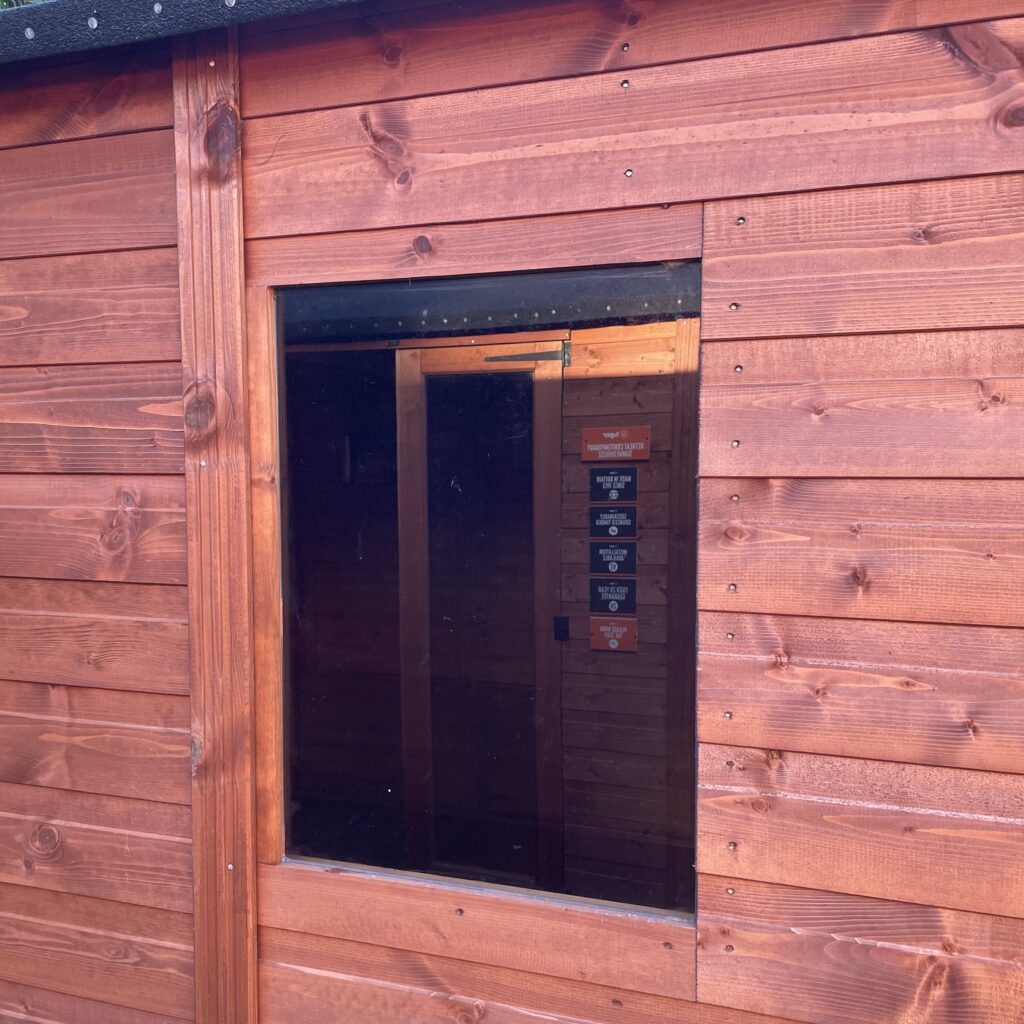
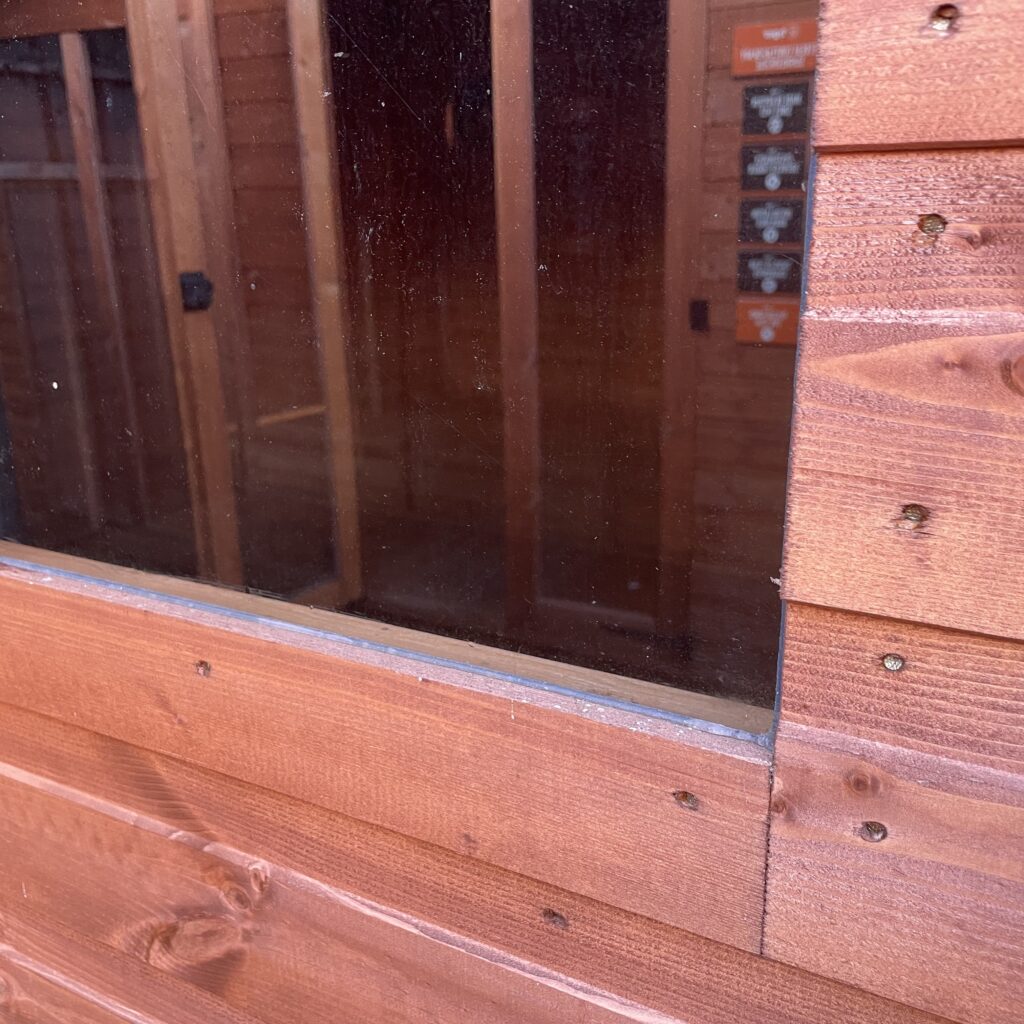
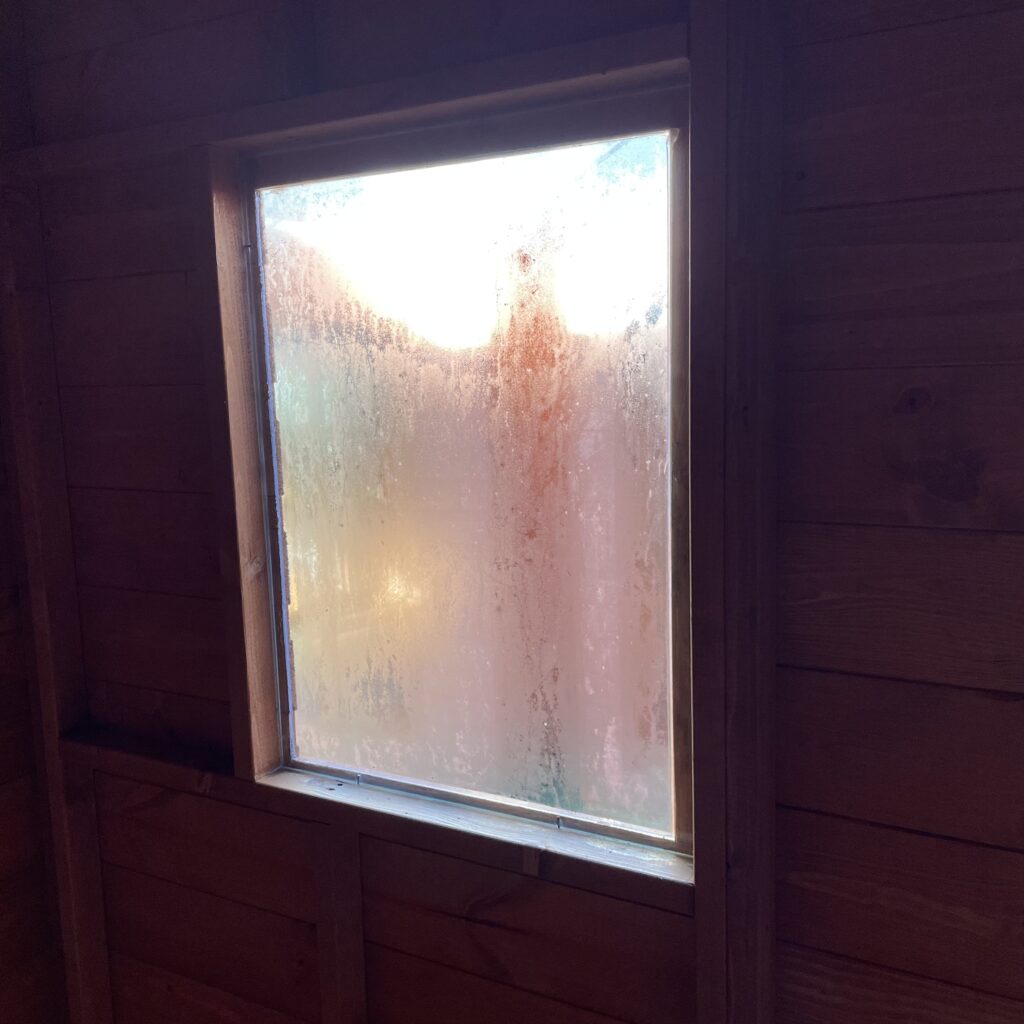
On the Apex Workman we inspected, one of the first things we noted was it only had two windows, so it wasn’t the lightest building with the doors shut.
With the pent version, the big question is: what window configuration are you getting in the exact size you’re buying?
Pent designs can sometimes be specced to feel brighter because manufacturers lean into long glazed runs or better placement, but they can also be specced in a way that feels a bit “workshop cave” if the glazing is modest.
So the buying logic stays the same:
- If you’re going to be working inside with the doors shut, light matters.
- If the natural light isn’t great, it’s not a dealbreaker — it just means electrics and lighting become part of the plan.
Doors and access: still workshop-led, still a big plus
Workshops are all about access.
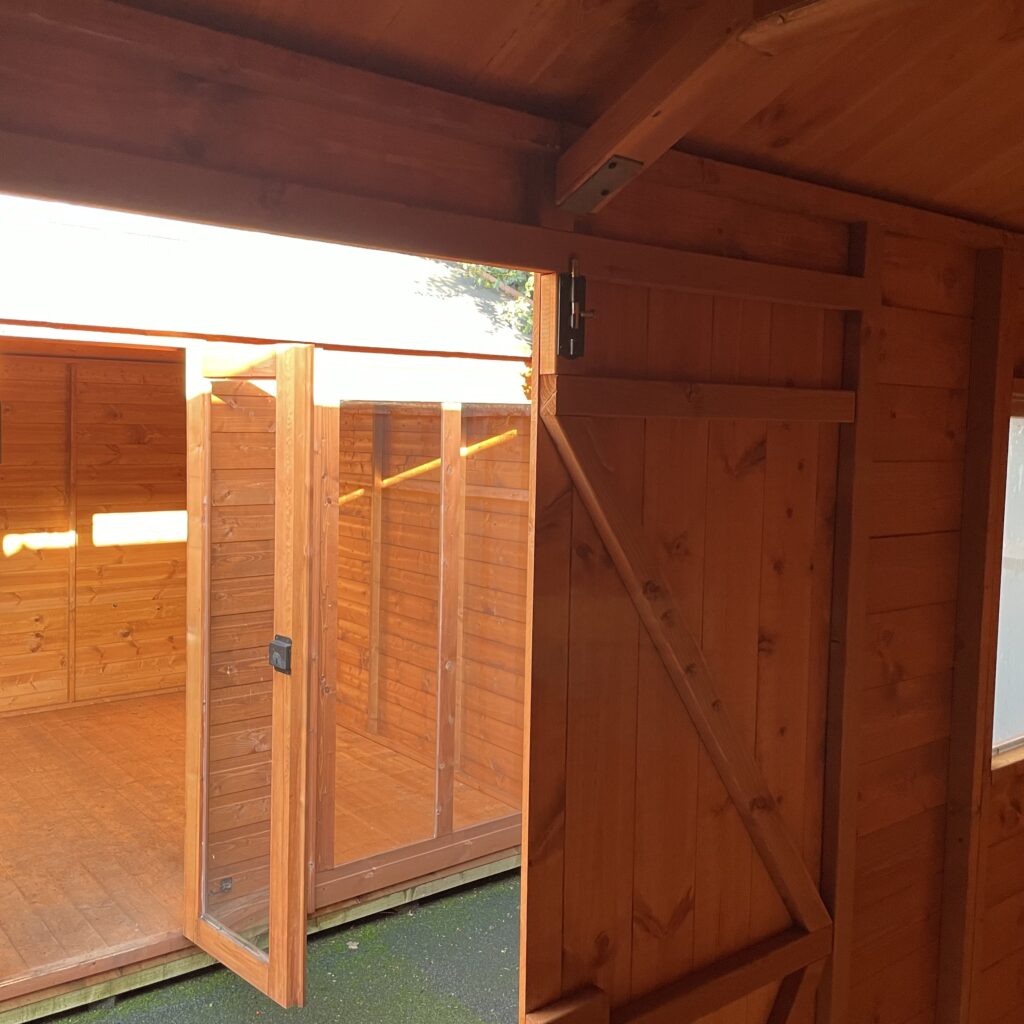
On the Apex Workman, the double doors felt solid — not flimsy, not “cardboardy”, more like a solid internal door. That’s a very good sign because doors are one of the first things that show whether the framing is doing its job.
With the Workman Pent, you’re still expecting that same kind of door build quality.
The practical advantage here is the same: if you’re moving bulky items in and out — tools, benches, mower, maybe even a motorbike depending on the size — the wide access is the difference between a building you actually enjoy using and one you resent.
Security reality check: good, but you’ll want upgrades if you store valuables
The security conversation also stays very similar.
Workshops tend to end up housing more valuable stuff than basic sheds — tools, kit, things you’re working on — so it matters.
On the Workman Apex we noted the hinges were fixed with standard screws. That’s normal in the sector, but it means if security is a top priority you should consider a simple upgrade path:
- security bar
- hinge security improvements
- better padlock / hasp setup depending on exact hardware
The key thing here is to frame it correctly:
This isn’t “insecure”. It’s “industry typical, upgradeable”.
Inside: pent sheds have a different “usefulness shape”
When you walk into a pent shed, the space feels different.
With an apex you’ve got that symmetrical headroom peak. With a pent, you’ve got:
- one high wall that becomes the natural “work wall” for shelving and pegboards
- one lower wall that’s better for storage, benches, and things that don’t need full standing height
For workshop use, that can actually be more practical than an apex, because you can design the interior around the high wall.
The question we always ask is:
does the roof structure feel properly braced so that the high wall isn’t doing all the work alone?
Floor: where Tiger usually earns its reputation
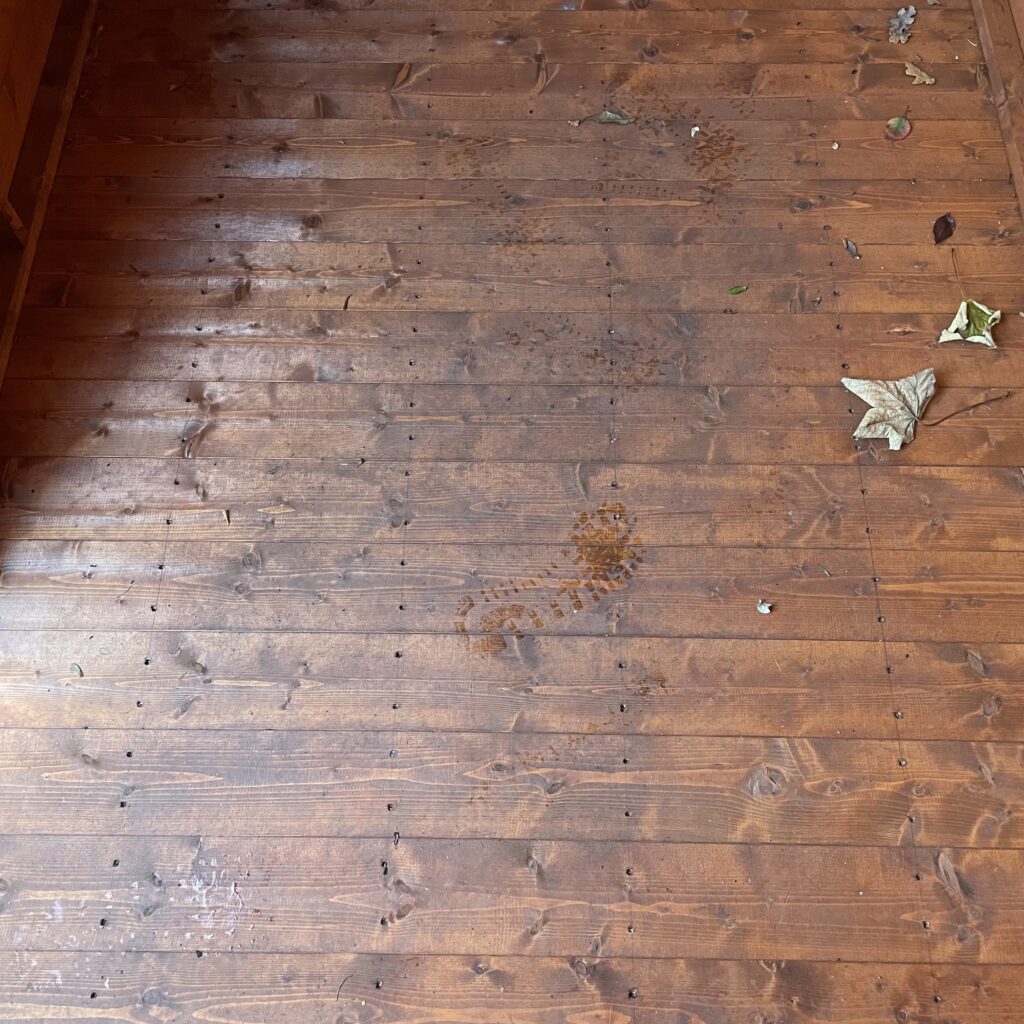
On the Apex Workman, the floor felt very solid underfoot, and the way Tiger space their bearers and fix boards tends to produce that “taut” feel — more of a tight drum than a dull thud.
For a workshop, this matters more than people think.
If you’re going to put benches in, store heavy kit, move things around, or just use it regularly, you want a floor that stays rigid.
So the expectation for the Workman Pent is:
- solid floor underfoot
- no sponginess
- good bearer support
And if Tiger have kept the same approach here — which their range consistency strongly suggests — it should feel like a proper structure rather than a lightweight box.
Walls, framing, and the pent-specific risk
This is the big pent-specific point.
On a pent shed, the roof load and weather load behave differently, and the lower wall can be the “tell”.
So the review focus becomes:
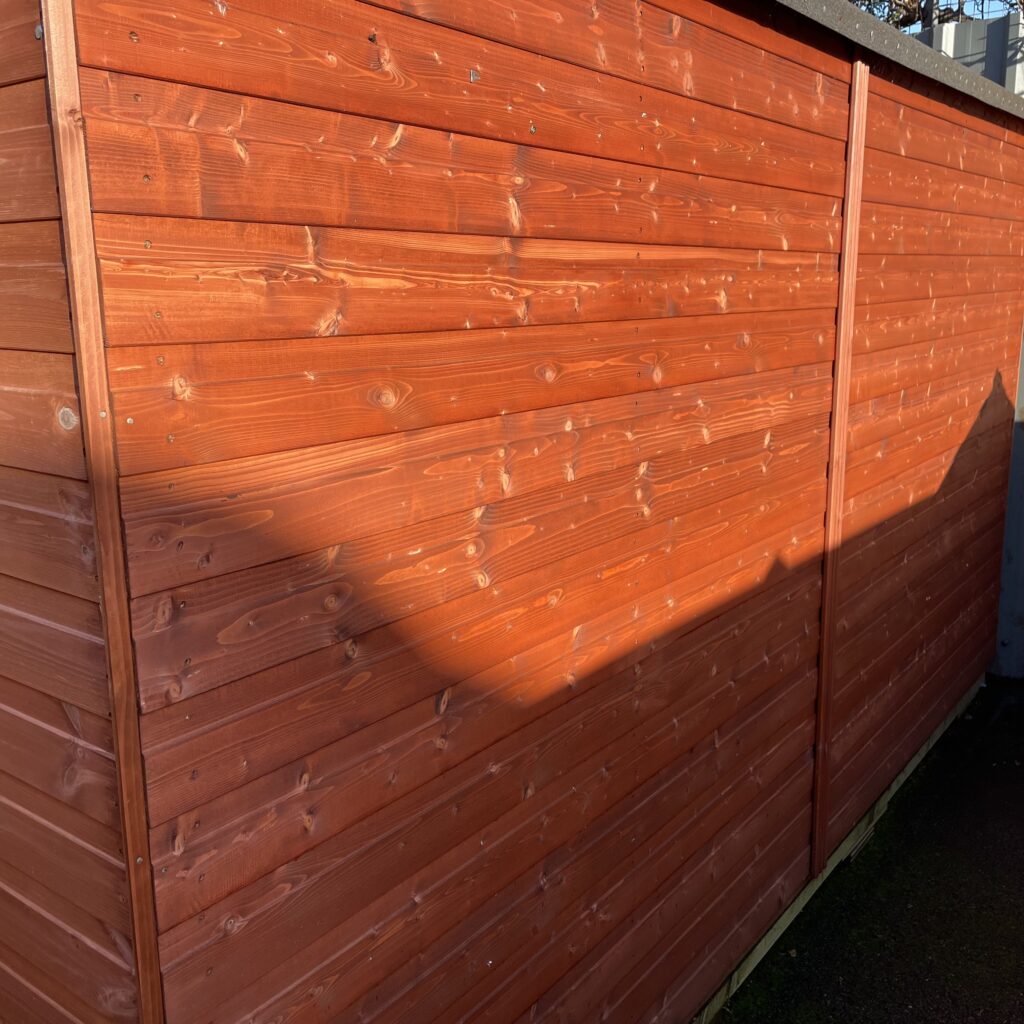
- Is there enough framing?
- Are panels tightly tied?
- Does it feel like there are plenty of anchor points?
- Do you get that same sense of rigidity Tiger tends to deliver on bigger buildings?
The Apex Workman had strong internal bracing and plenty of tie-in, and that’s exactly what you want to see repeated in the pent version — especially on larger sizes.
If you have the option of heavy-duty framing, this is one of the categories where we’d normally say it makes sense for regular workshop use, because it doesn’t just add a little strength — it changes how the whole building resists twist and movement over time.


Roof structure: what matters on a pent
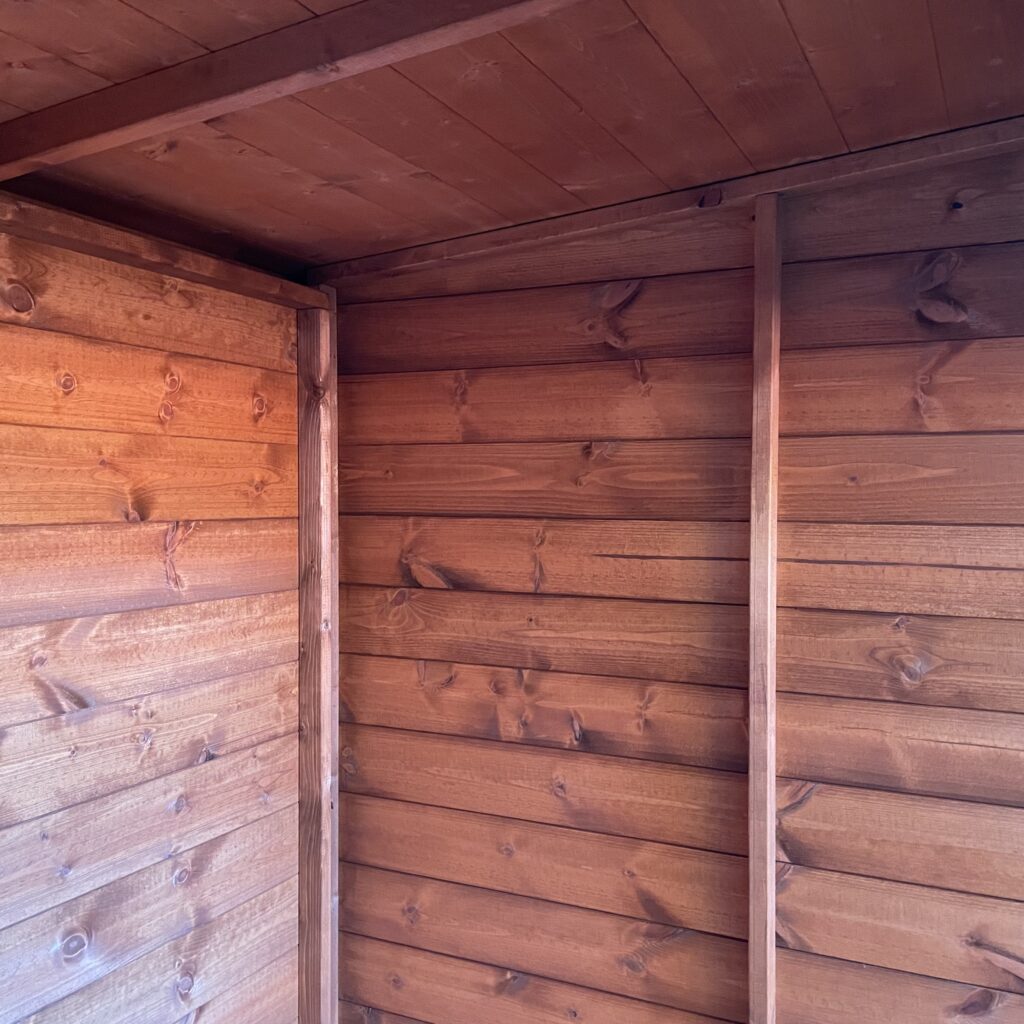
Pent roofs live or die by:
- bracing
- fixing points
- how the roof plane is tied into the wall structure
- long-term sag resistance
A well-made pent shed will feel like it’s been designed to stay true and square.
A cheap pent shed can look fine new, but over time you start seeing subtle distortions — doors not closing perfectly, slight movement, roof line changes.
Tiger generally don’t cut corners in bracing on their serious ranges, so the reasonable expectation here is that the Workman Pent is designed to remain stable — but this is the exact area where we’d always say: if you’re buying the bigger footprints, heavy-duty framing is the smart upgrade if you can do it.
Final judgement
So overall, the Tiger Workman Pent should suit someone who wants:
- a real workshop shed, not a light storage unit
- wide, practical access
- a predictable interior layout for shelving and work zones
- a building that sits neatly along a fence line without the apex look
And the pent version makes a lot of sense if your garden layout suits it.
The key buying considerations I’d keep in mind are:
- if you’re working inside regularly, check window layout and plan electrics if needed
- if you’re storing valuables, plan a simple security upgrade
- if you’re going large, heavy-duty framing becomes a very sensible decision
That’s the Workman Pent in a nutshell — it’s workshop-led, practical, and if built in line with the Workman Apex we inspected, it’s a serious step above the light-duty shed end of the market.