EXPERT REVIEWED
  FREE DELIVERY
  INSTALATION AVAILABLE
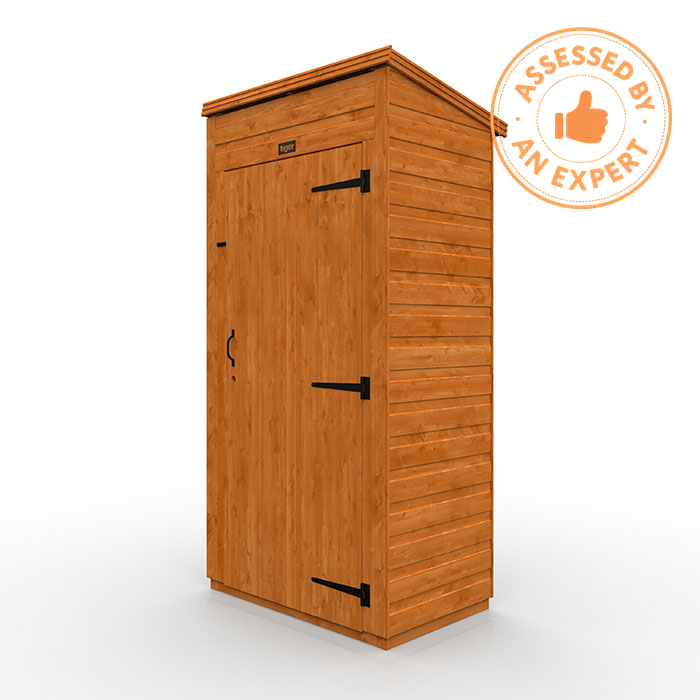
 Tigerflex Shiplap Pent Tool Room – Expert Review
First Added - November 28 2025
Last Updated - November 28 2025 - 0 Data Points Updated - 0 Data Points Added
Reviewed & curated by a panel of garden building experts. Using methodology 1.1
Product ID: tiger-sheds-tigerflex-shiplap-pent-tool-room
Size: Multiple sizes available
Merchants Checked: 10
A small building that quietly reveals how good a manufacturer really is
There are certain products that tell you far more about a company than their flagship models ever could. Anyone can make a £5,000 log cabin look impressive. The margins are generous, expectations are high, and customers are already primed to believe they’re buying something substantial.
The real test comes at the other end of the scale.
That’s why I’ve genuinely been looking forward to reviewing the TigerFlex® Shiplap Pent Tool Room. This is not a glamorous product. It doesn’t headline brochures. It doesn’t anchor show-site displays. It’s a compact, niche building designed for a very specific purpose — and that’s precisely why it’s so revealing.
This review is based on hands-on inspections of TigerFlex buildings, combined with a close examination of Tiger’s technical data and assembly methodology. And while the Tool Room isn’t the kind of shed you walk around inside admiring for hours, it quietly tells you an enormous amount about Tiger as a manufacturer.
A small building with big implications
The first thing worth saying is that the Tool Room sits slightly awkwardly in the TigerFlex family. On paper, it’s part of the modular TigerFlex range — yet in practice, it doesn’t offer the door-and-panel reconfiguration you get with larger Flex sheds. It comes in just two compact sizes, with a fixed layout and a very specific job to do.
At first glance, you might wonder why it even exists.
But once you stand next to it — and especially once you look closely at how it’s built — the reasoning becomes clear. This is not a cut-down shed. It’s a deliberately engineered miniature building, designed to offer proper shed-level quality in a footprint that suits people who simply don’t need (or can’t accommodate) anything bigger.
And crucially, Tiger haven’t treated it as a product where corners can be quietly cut.
Build quality: where standards usually slip — but don’t here
This is where the Tool Room genuinely surprised me.
On small, low-margin products like this, most manufacturers start shaving costs in places the customer is unlikely to notice at first glance: OSB instead of tongue-and-groove, thinner framing, fewer fixings, cheaper doors. Over time, those compromises show themselves very clearly.
Tiger haven’t done that here.
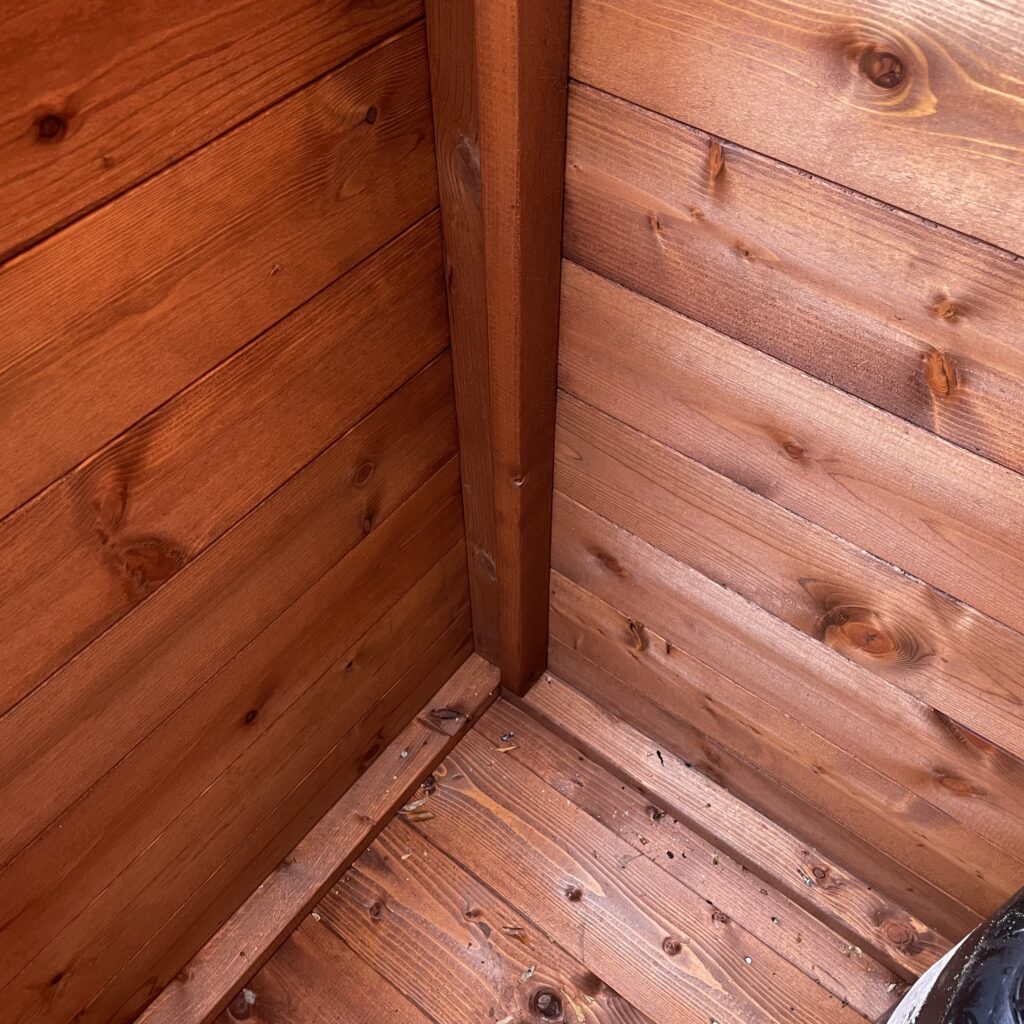
The walls, floor, and roof are all 12 mm tongue-and-groove boards, with no OSB or sheet material anywhere in the structure. The framing is the same 28 × 44 mm rounded timber used across the wider TigerFlex range. The floor sits on properly machined bearers, evenly spaced and cleanly fixed.
Stepping inside, the floor doesn’t flex or bounce. There’s none of the hollow sensation you get from cheaper tool stores. It feels dense, planted — more like a scaled-down shed than a glorified cupboard.
Pressing against the walls produces almost no movement at all. That’s impressive in a building this small, where manufacturers often rely on the fact that users won’t apply much force. Here, the structure feels confident, not tentative.
The small details that tell the real story
When you’ve inspected as many sheds as I have, you start judging manufacturers by the decisions they make when they don’t have to impress you.
This Tool Room is full of those tells.
The door, for example, is hung on three hinges, not two. That might sound trivial, but it matters. Tool rooms get opened and closed constantly. They carry weight. Hinges take stress. Most brands would save the cost and fit two. Tiger didn’t.
The door itself is fully boarded tongue-and-groove, properly braced, and sized at 785 mm wide by 1692 mm high — generous for a tool store and tall enough that you’re not constantly ducking in and out.

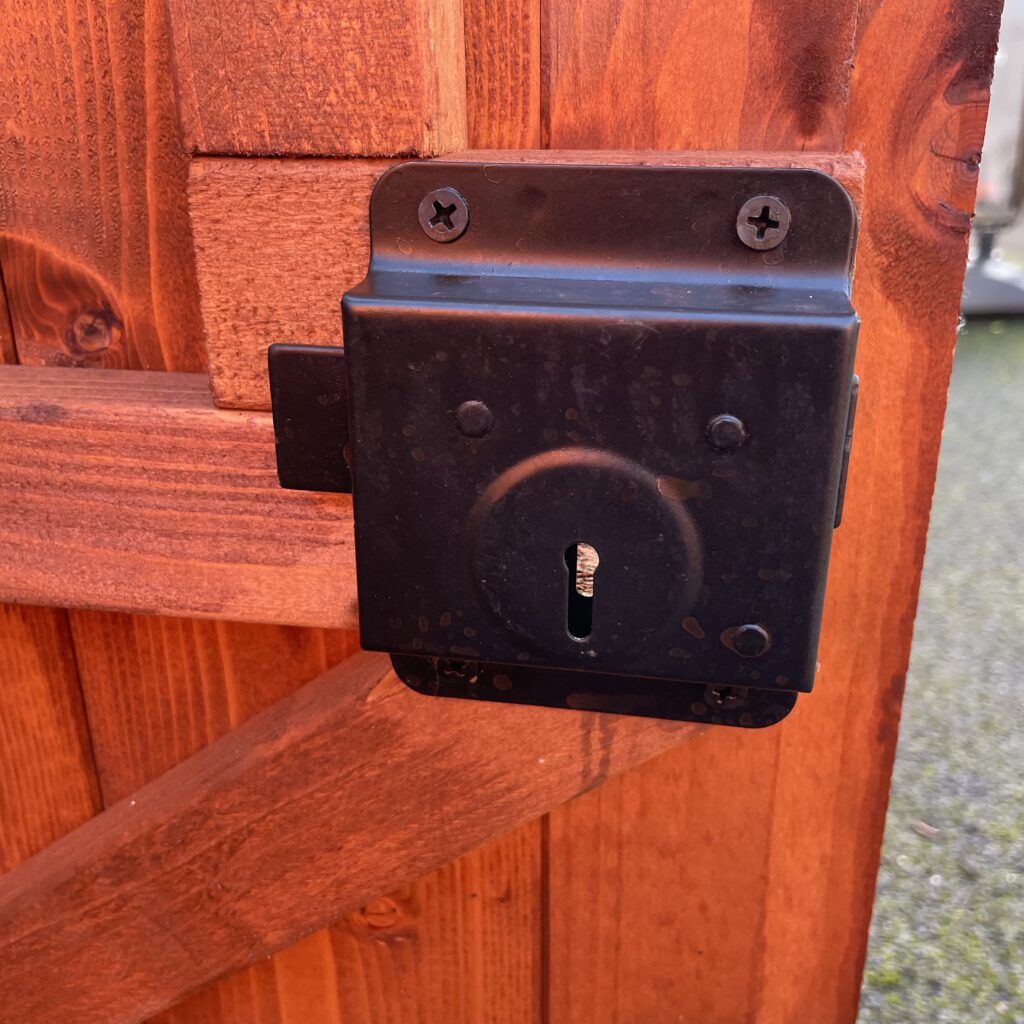
It’s fitted with both a lock-and-key system and a turn button, which might seem redundant — until you actually use it day to day. The lock secures the building; the turn button stops the door rattling in the wind when you’re popping in and out. That’s usability thinking, not marketing fluff.
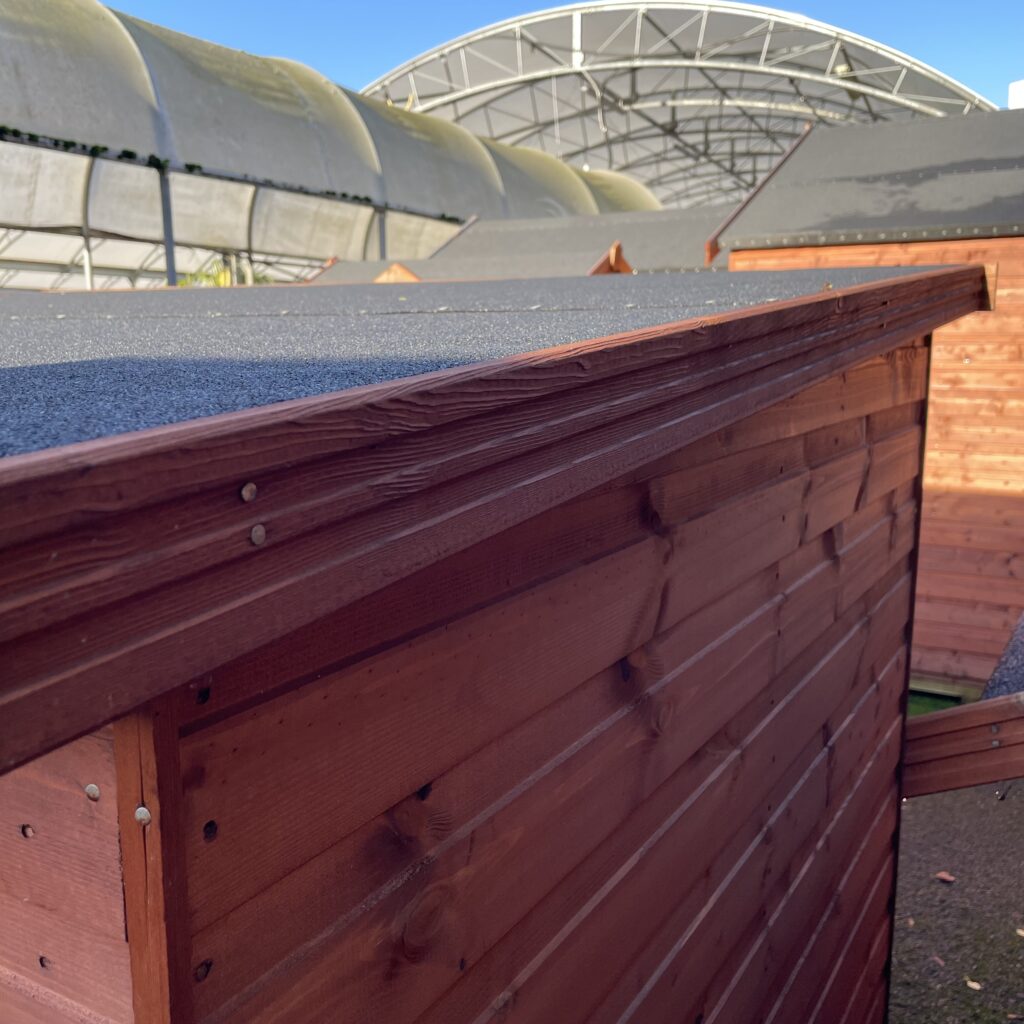
Even the roof finish reveals care. The mineral felt is properly fixed, with barge boards and neat trims rather than bare edges. Again, this is a place many manufacturers quietly cheap out.
How it actually feels to use
The Tool Room is not designed for bikes, mowers, or bulky machinery — and Tiger make no attempt to pretend otherwise. This is a building for people who want order, not volume.
It excels at storing:
- hand tools
- power tools
- garden chemicals and treatments
- paint tins
- hoses, reels, and accessories
- DIY equipment you want close at hand
Because it’s compact, everything stays reachable. You’re not walking into a cavernous shed to fetch a screwdriver. You open the door, grab what you need, and close it again.
The pent roof plays an important role here. With an external ridge height of around 2135 mm and an internal ridge just over 2060 mm, the building never feels claustrophobic — but it also sits low enough to tuck neatly against a fence or wall without dominating the garden.
This is the kind of building that quietly improves how you use your garden, rather than demanding attention.
Assembly: methodical, not difficult
Looking through the assembly instructions, Tiger treat this Tool Room exactly as they would a full-size TigerFlex shed. Floor panels are properly bearer-mounted, wall panels are squared and fixed systematically, and the roof structure follows the same logic as larger pent buildings.
Nothing here is rushed or simplified to the point of fragility. As long as it’s installed on a firm, level base and treated after assembly (which Tiger are very clear about), there’s no reason this building won’t last for many years.
How it compares to cheaper alternatives
This is where perspective matters.
There are tool stores on the market that cost less. Most of them rely on OSB, thin cladding, and minimal framing. They often look fine on day one — and start degrading the first time they’re exposed to sustained moisture or heavy use.
This Tool Room costs more than those — but it’s not competing with them.
What Tiger have done here is offer a proper timber building for people who don’t want to compromise on quality just because the footprint is small. It’s closer in philosophy to a miniature shed than a budget storage box.
Final verdict: a quiet demonstration of manufacturing integrity
The TigerFlex® Shiplap Pent Tool Room won’t be the product everyone talks about — and that’s exactly why it deserves attention.
It is:
- built with the same materials as Tiger’s larger sheds
- engineered with consistency, not shortcuts
- finished with care in places most brands ignore
- genuinely solid underfoot and to the touch
- perfectly suited to organised, everyday storage
Most importantly, it proves something valuable: Tiger don’t lower their standards just because a product is small or niche.
If you need a compact, lockable, long-lasting outdoor tool store — and you want it built properly rather than cheaply — this is one of the strongest options available in the UK.
It may be small, but it’s absolutely, unmistakably a Tiger shed.